Last week I was able to squeak in a brew session and finally get to use 2 yeasts that I have been really excited about: CMY1 and ECY02. The CMY1 is Chad Yakobson of Crooked Stave’s Brett strain. The ECY02 is East Coast Yeast Flemish Ale which I picked up in late 2011. Also used on brewday was Wyeast 3787.
So the plan on this batch is to get 4 different beers by splitting the wort among the different yeast strains below:
Wyeast 3787 pitched into 12 gallons then *split during ferment (3000ml starter)
CMY1 pitched into 5.5 gallons (directly pitched pure slurry from CS)
Let’s talk about the 3787 split batch first. Half of the 12 gallons will end up as a Dubbel/Oud Bruin without the funk and the other half as a Russian River Consecration inspired beer. It’s not intended to be a clone, just an inspired recipe. The base wort went into my conical (I only ferment sacc strains in it) to be fermented with Wyeast 3787 Trappist High Gravity.
At one week I co2 pushed out 5.5 gallons that had fermented down to 1.019 (apprx 70% attenuation) into a co2 purged 6 gallon carboy. When I use fruit I like to rack the beer on top of the fruits instead of adding them in to the beer. Just a habit of mine so I minimize splashing. The carboy already had 11 ounces of dried currants and .75 ounces of medium toast French Oak Cubes soaked in 3/4 cup Avalon Cabernet Sauvignon (both wine and cubes went in). Note: The oak cubes were microwave boiled in 2 cups of water for a few minutes and the water was drain poured before wine soaking to mimic a used barrel.
Once the carboy was filled I pitched an active 1800ml starter of Wyeast 5526 Brett Lambicus. Normally this would’ve been in the carboy first too, but I got caught up in taking pictures and forgot to add it. Two packs of 5526 were on the stir plate for 7 days. Given these were slightly older packs it took a few days to see them come alive. The Wyeast 5526 is my first choice for Brett Lambicus. Their version seems to have more tart cherry and smokiness than the WLP653. I’m planning to let this one go for about 8 weeks then pitch some Lacto and Pedio. From there it will probably age 6-8 months then get bottled in the Vinnie style 375ml’s, but as always with sour brewing the funk makes the schedule.
***UPDATED 6/22/2012*******
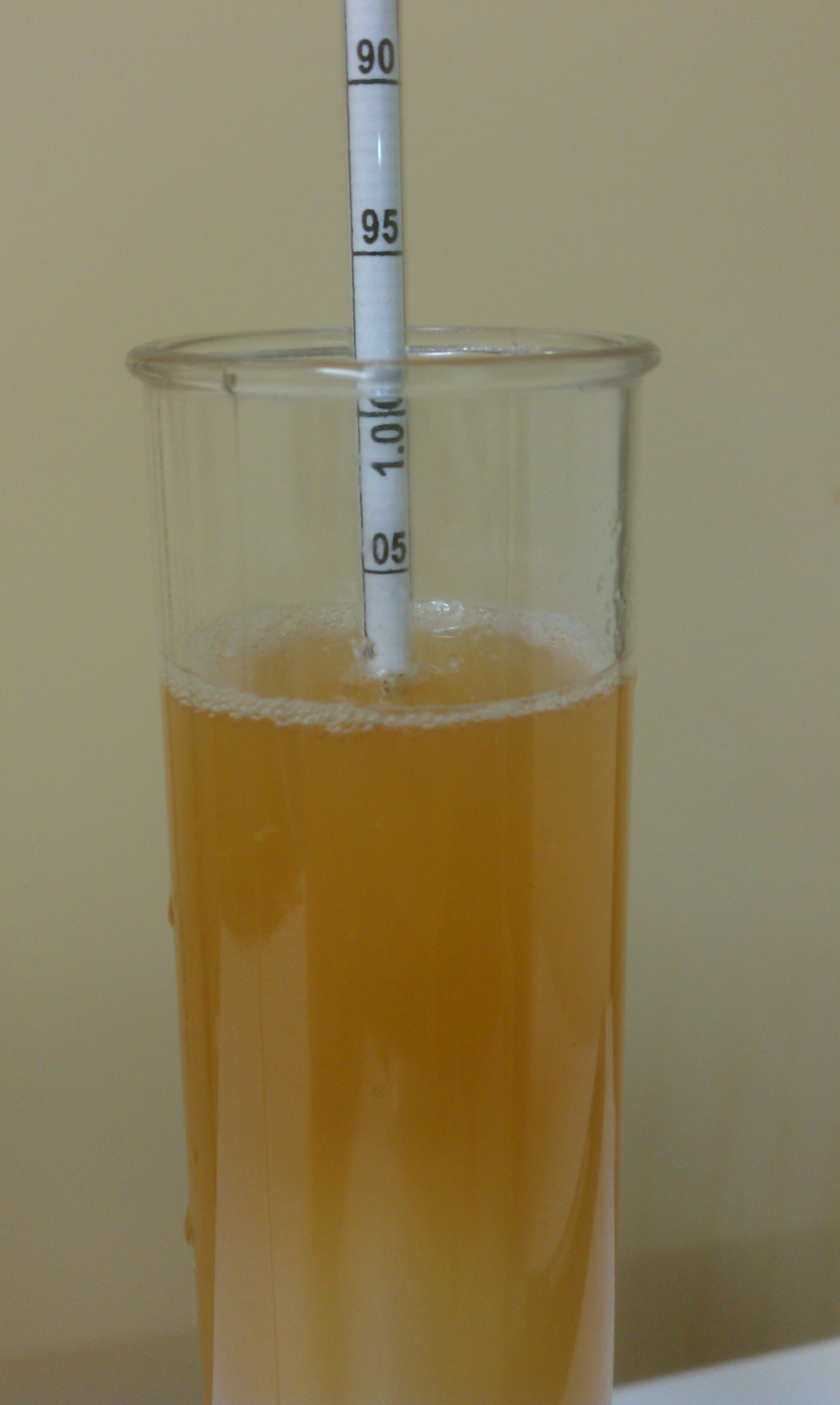
1.008
So approximately 8 weeks later I took a gravity reading on this RR Consecration inspired version. The gravity was down to 1.008 and the Brett Lambicus was really starting show those wonderful Brett L characteristics I like. Mixed with the currants and red wine this beer is really taking shape at this point. If the beer was left just as is to drop a few more points (around 1.005) with only the Brett L/3787 I really think it would be a good beer…However I think the bacteria additions will take this beer to the next level, just like Vinnie has done with the perfect beer Consecration.
I originally thought about adding a half pack of Pedio instead of the whole thing, but ultimately decided to add the entire pack. So the carboy now has 1 vial of Lacto and 1 pack of Pedio added at 1.008. Based on what I tasted tonight I think this gravity might just be the sweet spot to make a sour beer, that’s not really an all the way sour. The carboy is in my garage right now where temps are hitting in the low 80s right now, which should make the bacterias I added tonight very happy. At this point it’s back to forgetting about the carboy (but keeping one eye on the airlock water level) for another 3-4 months.
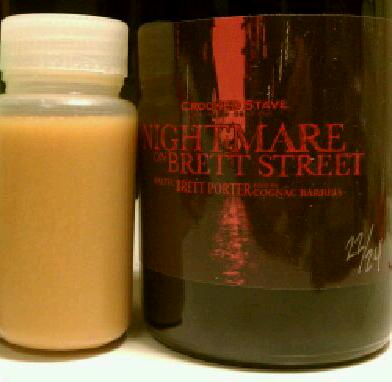
Pitch of CMY1
Now onto the batch with CMY1. I was lucky enough to get a fresh pitch of this from Chad at Crooked Stave along with a barrel sample (bottle 22/24) of the upcoming “Nightmare On Brett Street.” Side note: This beer was wonderful treat from the barrel, but it’s going to be incredible once it picks up more barrel character before the full release later this year. Ok back to the yeast… The CMY1 is Chad’s strain of Brett Brux, that for comparison sake has some similar characteristics to the “BSI Drie” strain. Since this was a fresh batch from the lab I skipped the starter and directly pitched the vial at 68F.
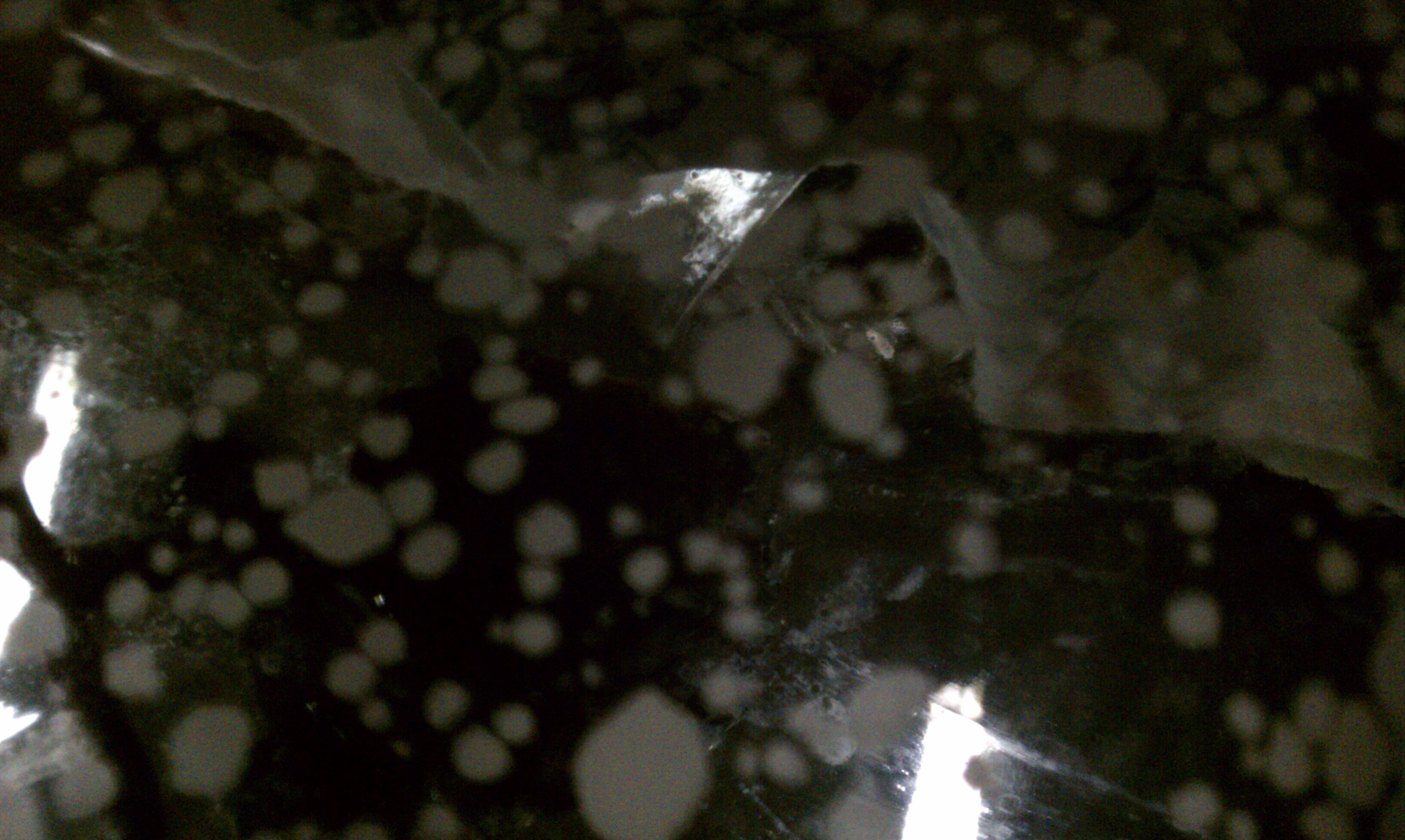
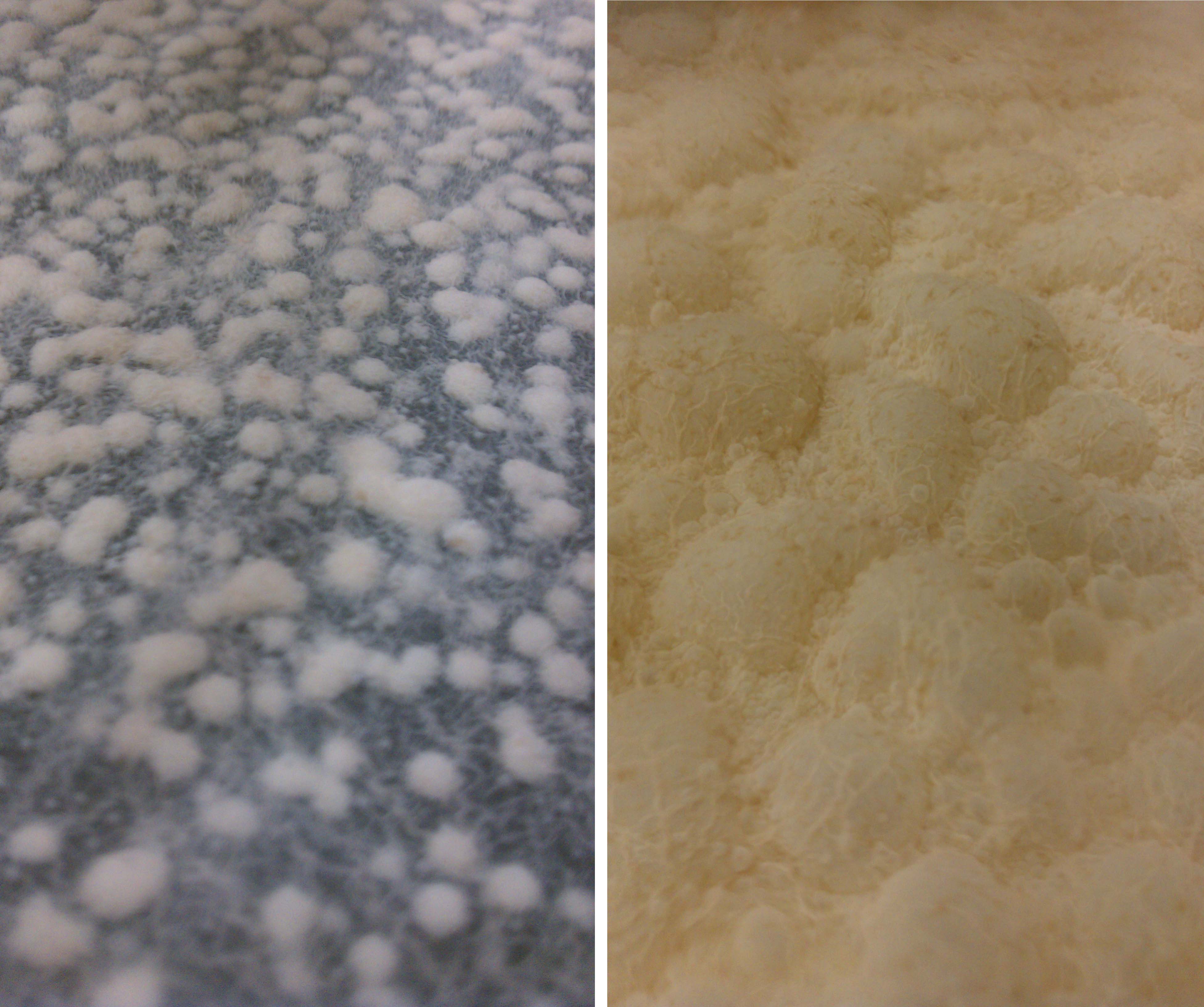
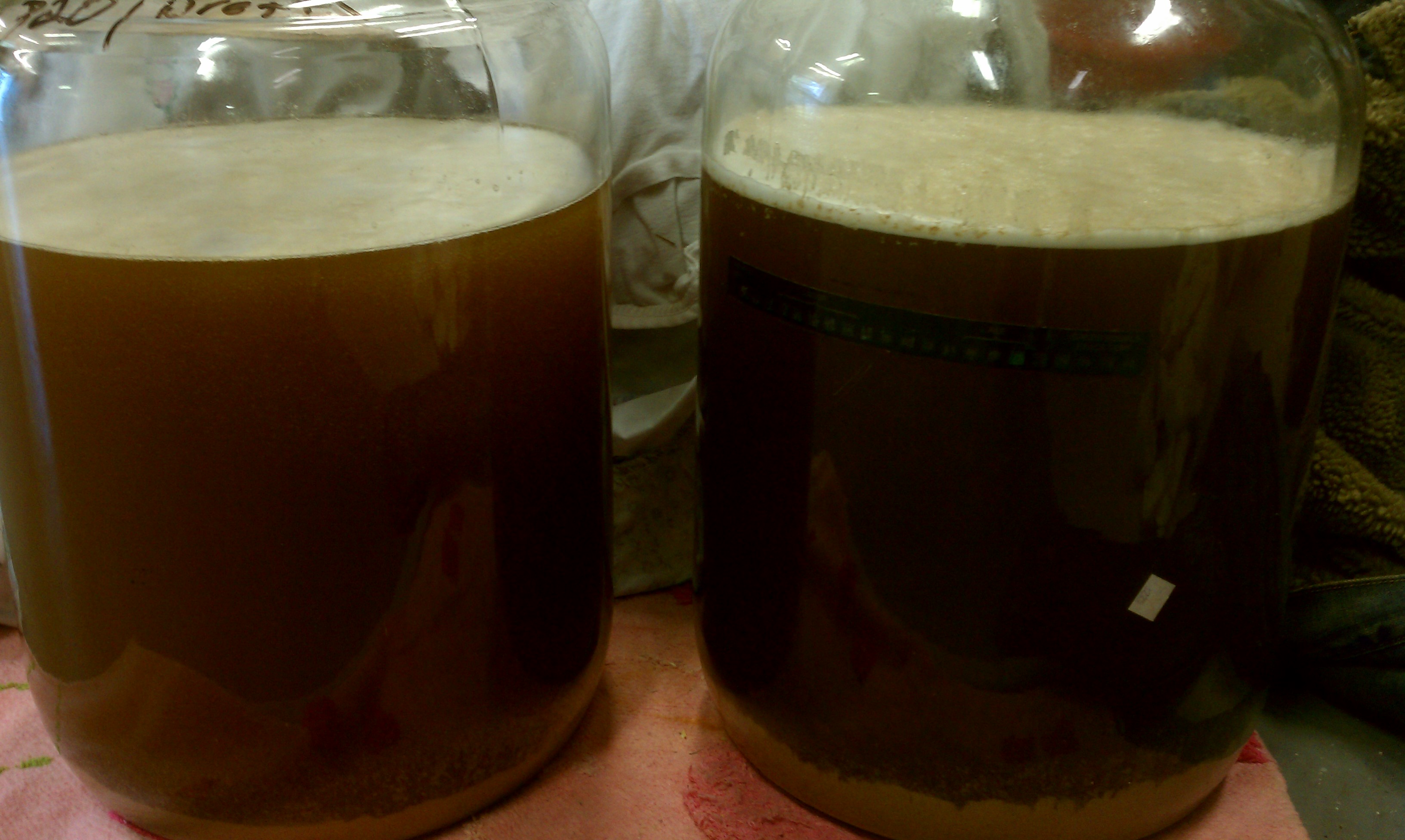
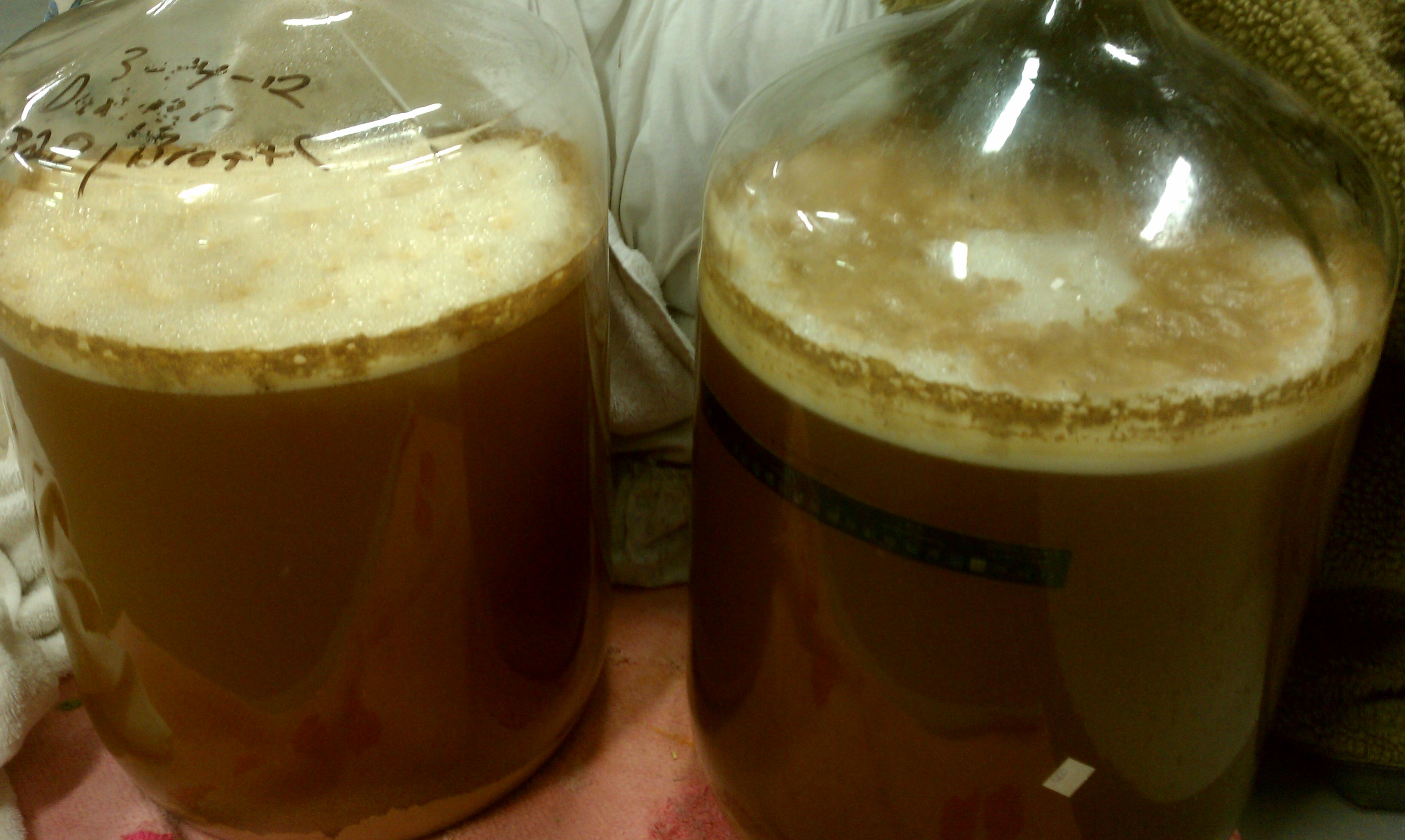
I haven’t taken a gravity reading on this version yet, I might do that at week 3. At this point I’m not sure if I will add anything to this beer or go with what ferments out. I’m not experienced enough with this strain and certainly not experienced enough in dark wort 100% Brett fermentations. Whatever I decide to do later this year will be added as an update to this page. I did get some good pictures (click for higher resolution) of the CMY1 Brett starting it’s journey through the land of wort. Even after all these years of brewing I am still a carboy peeper. I think I’ve learned a lot on what to expect from a batch based on what I see happening in the fermentor.
18 hours after pitching46 hours after pitchingLeft picture is 79 hours after pitching. Right picture is 91 hours after pitching.
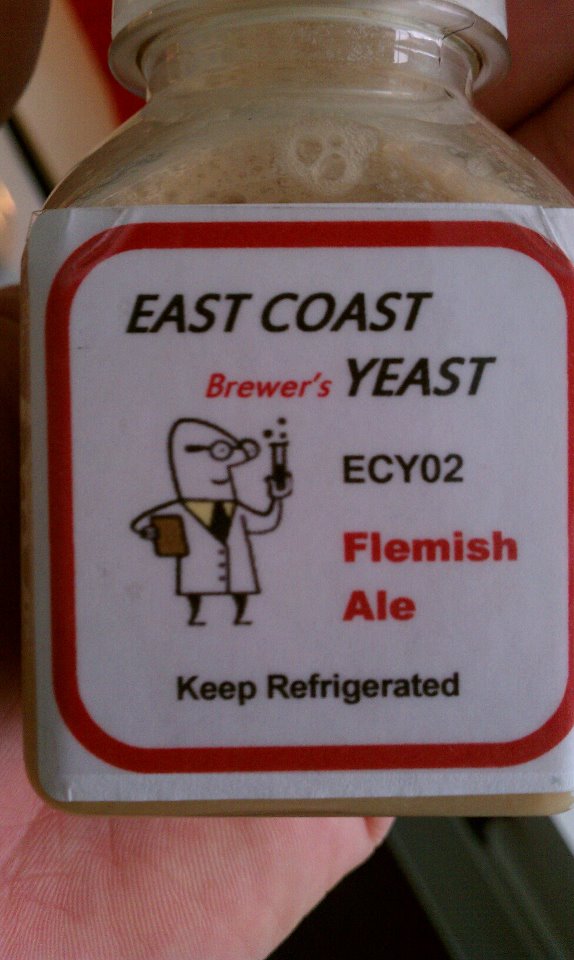
Now I don’t have much on the ECY02 Flemish Ale other than this video I posted on the Embrace The Funk Facebook page. I’m planning on just letting it go for at least 3 months before I pull a sample. Due to the limited availability of this blend and the great microbes in it I’m not really interested in packaging this beer. I’m probably going to keep this one going as a Solera project/blend into other beers or eventually step it up to something larger…maybe?
So far I’m happy with how I split up this brew session because it has me doing only one beer I’m 100% familiar with the process (Plain BDS). It will be fun to see how these beers change and what I end up with. I did start on the label though. I’m sure by the time bottling comes around I’ll end up making some changes but this is the basic design so far…and yes it’s another Dexter reference.
Make sure you follow Embrace The Funk on Twitter and Facebook.
The reason I’m posting about this is to ask everyone who enjoys craft beer to help the family he left behind. His wife (who also worked in the craft beer industry) and his unborn child have a tough road ahead of them dealing with this sudden loss. I know our community is a good one, full of caring and ‘just plain ole nice folk’. A few years ago I took part in a brew at Yazoo that benefited the wife of a brewer from Knoxville who was killed on the job. I overheard many people saying they bought a pint over their usual because they knew it would help (of course they enjoyed the beer), but that’s the attitude and spirit our community has.
So I’m asking for everyone to send something… no matter how small the amount to his memorial fund. Do the right thing. If you have to skip that one pint just tonight, hold off on that trade until next week, buy a single 22oz instead of the case from the store… that’s all easy stuff. But you can do that knowing the money will help a child who will never know her daddy. I’m sure many of you have online check services and bill pay through your bank so that would be a really easy way to send a check. Below is the info Redhook and the Funeral Home have provided for those who want to help.
The family respectfully requests that memorial contributions be made to the:
The Alysha Miller Harris Baby Fund c/o TD Bank,
20 International Drive, Portsmouth, NH 03801, (603) 430-3812
Make sure you follow Embrace The Funk on Twitter and Facebook.
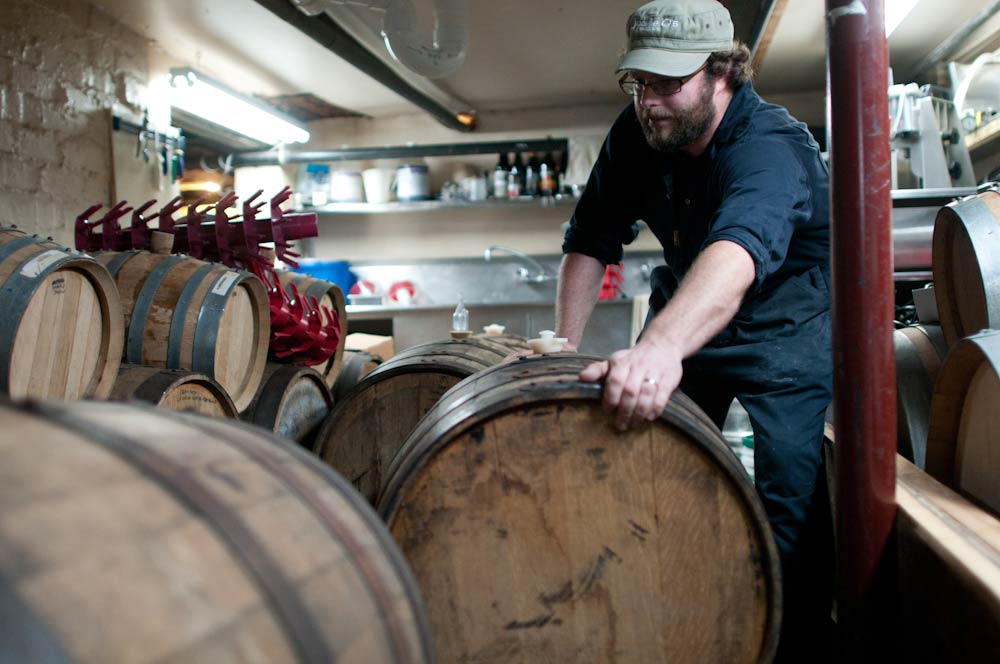
One of the great things about writing this blog is getting the chance to talk candidly with brewers I respect. Having brewed a good number of sour/wild beers myself (even on my smaller scale) I know how labor intensive and how much patience you need to have as the beer and yeast go through their wild journey. It’s difficult work brewing these styles, but what is certainly just as wild/difficult if not more is the brewer’s journey. Meet Brad Clark the head brewer at Jackie O’s in Athens, OH. Brad’s very cool story of how he ended up brewing some of the finest sour and Brett beers in the USA plus some great brewing tips from this accomplished brewer in 3…2…1…(sorry the TV news in me comes out at the weirdest times)
ETF-What beer and when was your sour beer epiphany moment?
Brad- For me that was in 2007 when I was in Chicago attending Siebel. On Sundays I would go to The Map Room to look over my notes, do some reading and drink a bunch of great beer. The always had Rodenbach Grand Cru on draft. So it was that first Sunday I had it probably 2 or 3 beers in and it just blew my mind! So for 5 consecutive Sundays after that I consumed many glasses of Rodenbach Grand Cru. That’s when I knew I had to figure out how to do something like this or at least just understand it more. So Grand Cru was the one.
ETF-Was attending Siebel your first experience in the pro-brewing world or had you brewed somewhere else before?
Head Brewer Brad Clark
So I finally got a house I could brew in and he got me started. The next day one of my buddies and I rolled down to the homebrew shop to buy all the equipment. I think the recipe was a winter warmer… the Sam Smith recipe out of the book Clone Brews. We threw that together, then my buddy and I just started home brewing a bunch.
It became a really relaxing hobby for me, part of my lifestyle. A relaxing way to spend an afternoon or evening just to cool down. Shortly after that we were focusing on making beers that we couldn’t buy. That’s where my experimentation bug caught on.
During that same time O’Hooley’s was going under and the main brewer had left. So nobody was brewing and there just wasn’t any money. I was still working there but we weren’t getting a paycheck. It was a pretty ugly spot.
One of my buddy’s who had a bagel shop in town expressed an interest in getting into the bar business. I said “You should look into O’Hooley’s because it’s going under.” He had my home brew before, I would take corney kegs over to his parties and tap those up. He ended up purchasing O’Hooley’s around the same time I was finishing up my creative writing degree at OU. He said if I wanted to stick around he would get me trained and I could be the brewer. I didn’t have to think twice about that!
This was in late 2005 when the ownership changed and we were able to bring in someone who brewed here in 1999. He trained me for about 2 months and I was able to go off on my own for about a year. That was an interesting time. I wish I could drink some beers from that time. There were some different ones I was doing and I’m not too sure how good they were. At the end of that period I went over to Siebel.
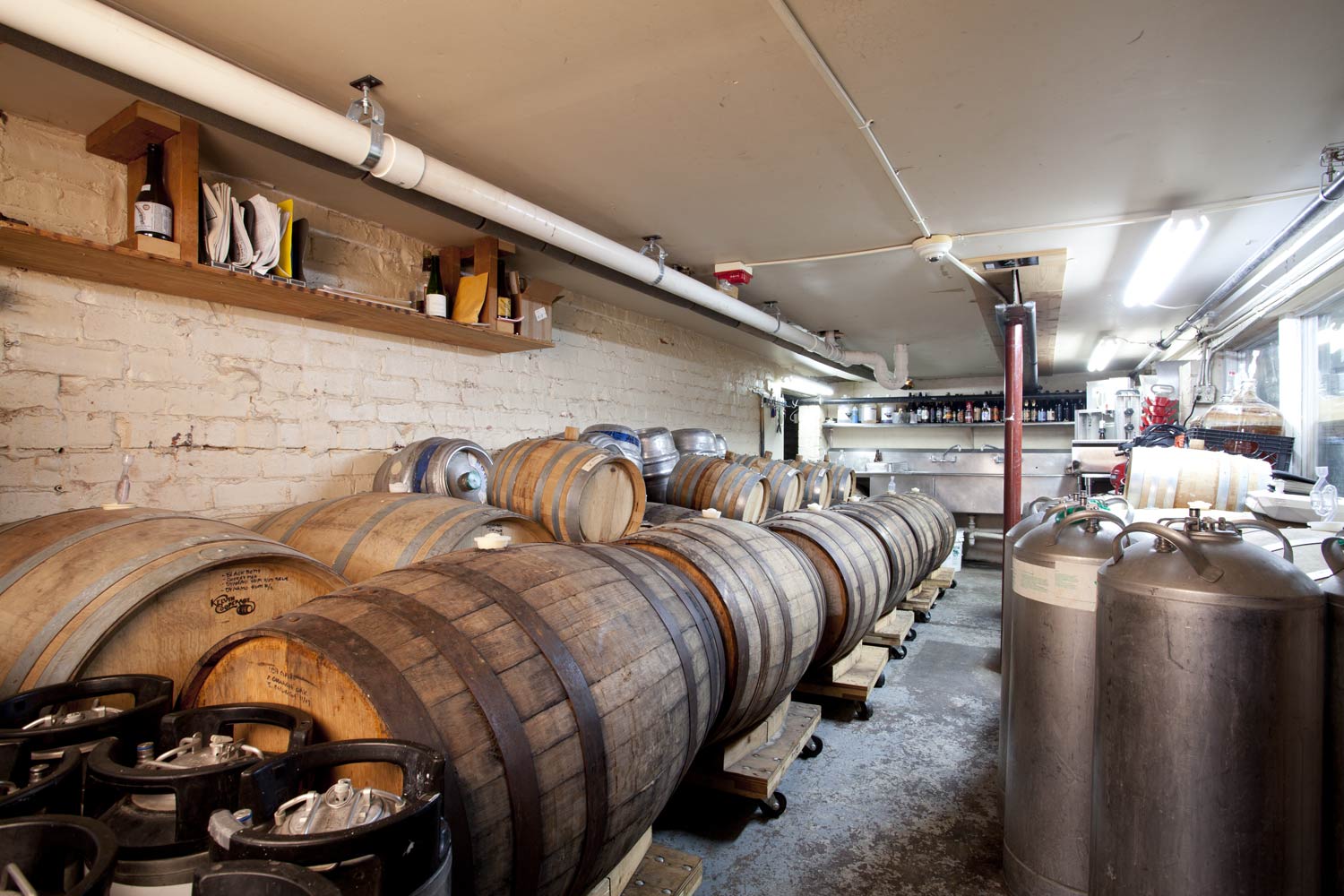
After Siebel I had a much better understanding of what I was doing in the brewery and how things were working. I think the main thing I got out of Siebel was a confidence boost. When I got back we started doing imperials, shortly after that we started barrel aging and not long after that I started playing around with sour beers. Those programs have been going on for 4-5 years now.
ETF-What were some of those sours you first brewed at Jackie O’s?
Brad- One of the first was Chungas Oud Bruin. I had turned one of my first bourbon barrel beers which was in the barrel for about 4 months. When that beer was pulled out I took our honey nut brown and put it into that barrel. I picked up some brett cultures and things like that then just dumped them in the barrel then let it go. About 3 months in I thought it was getting sour so I got excited being it was the first one and put about 30 pounds of tart cherries into it. After about 5 months I thought it was really good and put it out.
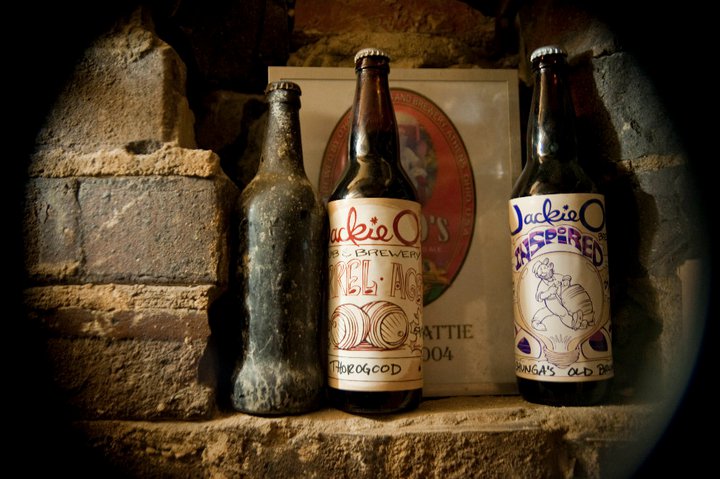
What’s funny is now that it’s progressed the second version I did (draft only) was a 9 month age and the one we sold in December (bottle form) was 24 months. I thought it was really exceptional. But you know it’s funny to see the aging times evolve and the patience that comes with experience and understanding things a bit more.
ETF- Now that you’ve had the funky beer program going for a few years are you to a point where you have a special blend on hand or is it different microbes each time?
Brad- I’ve got about 8 different cultures. All the Brett’s, Lambic blend, Belgian sour, Roeselare, Pedio and Lacto…I’ve got all those going in carboys. When I’m ready to inoculate a barrel I just try to think about where I want it to go: flavor production, aromatics, and the character of the beer. Then I’ll take a little pipette and taste each of the carboys. I usually go with the Brett’s first, I like to do a 2-5 month Brett starter on the barrel (sometimes I go with a blend), but just taste them and see which character I’m really digging. Then I take a homebrew racking cane into the carboy, run it around the bottom to get those big yeast plugs transferred into the barrel. I’ll top that carboy off with some fresh wort from our raspberry wheat, let it go and revisit it when I need to.
I do have one thing going that’s a combination of everything, but it’s still young and hasn’t shown it’s true colors yet. I don’t know how that one is going to work out, but a lot of the cultures have been going for 3-3 ½ years. I think they’ve pick up a lot of house character.
ETF- What do you think the house character is showing in these now that it’s been 3 years?
Brad- It’s definitely more expressive…a much more pungent character to it. With our house character I tend to get a lot of nice leathery notes. But with our house bacteria strains, mainly the lacto it’s really strong now. When we do our Berliner Weisse I basically take the wort from the raspberry wheat and split that off into these 2 tall 15 gallon corny kegs (we call them Scuds). I’ll have one of those with the lactic culture in it I fill up to do the lactic ferment. Then I have another one with Brett C that ferments as well. After a month I can blend them together and get this really nice acidic funky Berliner Weisse.
By keeping the lacto strain going I tend to get a very nice clean sour character. But I’m also a big fan of Brett C, I like all the tropical fruit aspects that strain brings to the table so that one gets used quite often.
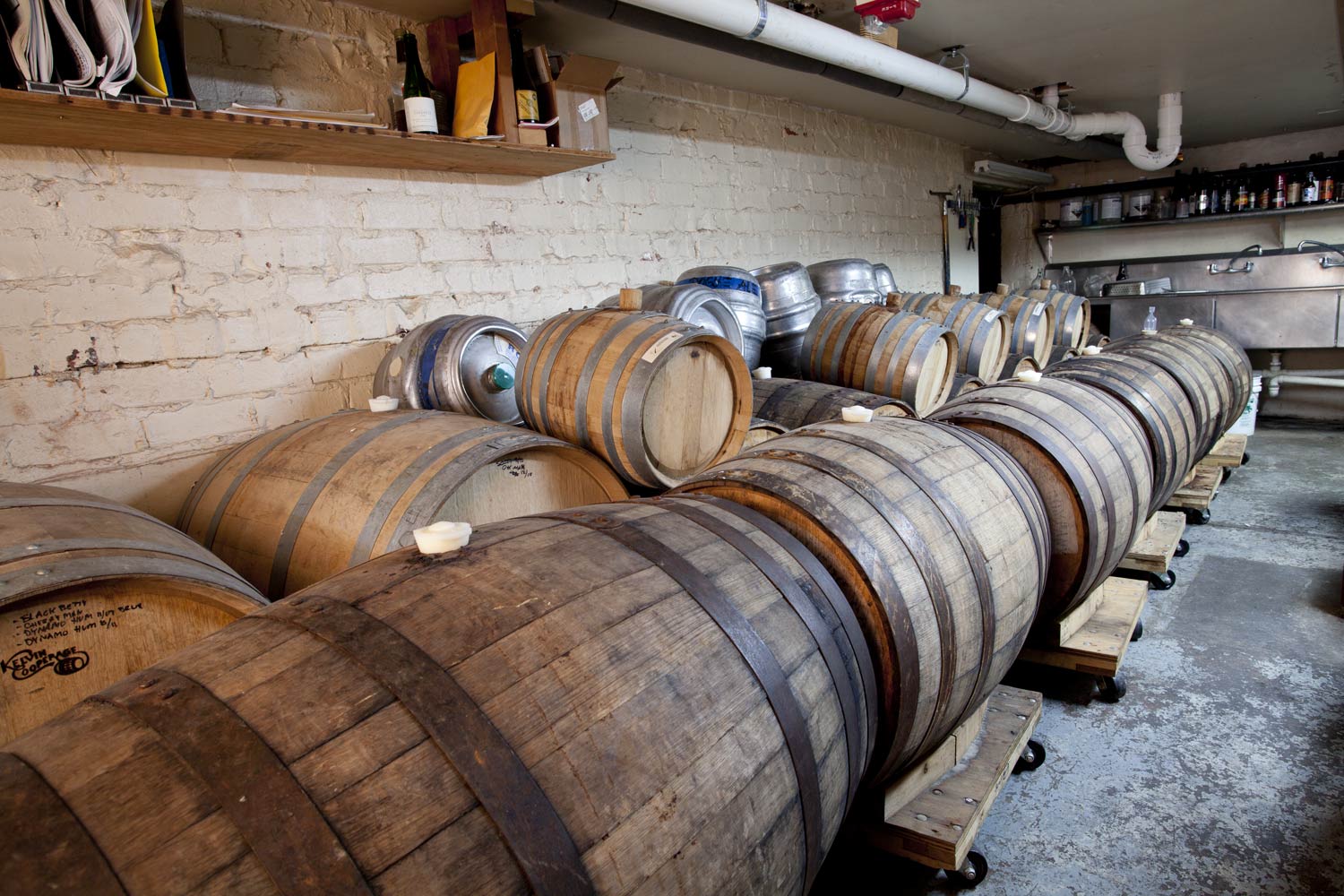
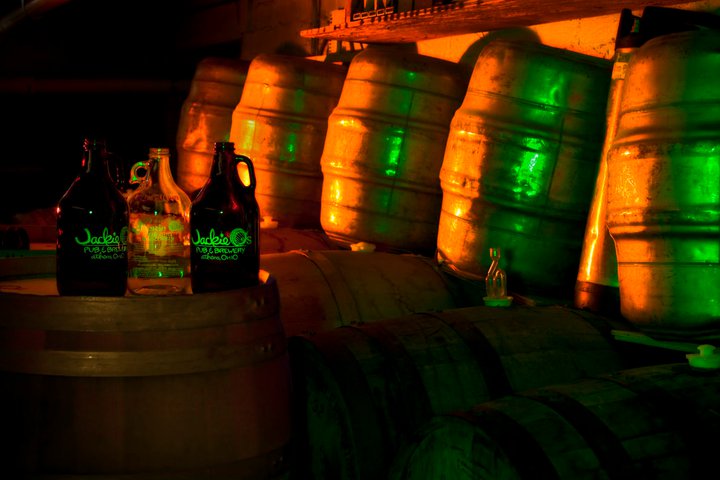
Barrels and "The Scuds"
ETF- Being that Jackie O’s is in a college town I would think most of the new customers probably haven’t been exposed to all these different styles of beers before. I’m curious how accepting and open they are to these beers?
Brad- It’s always interesting seeing how people react to sour beers or Brett beers. It’s funny because sour really isn’t a flavor or aroma we really find in American food. It really doesn’t exist in our food palate so the reactions are interesting. We brought our Berliner Weisse to the American Craft Beer Festival and even the reactions there were people totally disgusted by it and people just hanging out getting sample after sample of it. But in town it works out pretty well, they don’t fly out of the taps…30 gallons of Berliner will hang out for about 2-3 weeks. There’s definitely people who love it, some that don’t care for it and always a couple who are just blown away by it who ask for more sour beers. It’s hard to explain to them I can’t just crank those styles out.
ETF- Some of your bottled beers are very limited runs of 100-200 bottles. Do you hand bottle or are you using a machine?
Brad- Yeah it’s pretty much hand bottling. We have HDP single head filler that we can do 12oz or 22oz bottles on. So we fill on that and I’ve got an Italian pneumatic capper so we get that hydraulic crimp on the cap. If we are cruising along we turn about 8 cases an hour, so nothing outrageous by any means but it’s a lot of work. Bottling has done amazing things for the Jackie O’s and getting our name out there. It’s definitely time consuming, but definitely worth it.
ETF- Of your accomplishments at Jackie O’s, what are you most proud of?
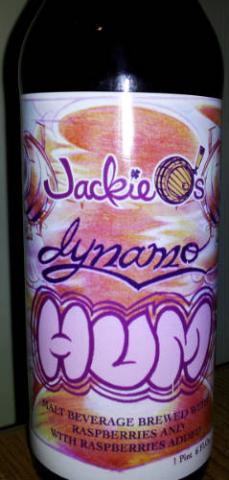
Brad- From the beer standpoint it definitely comes down to the sours we’ve done. The Dynamo Hum and the most recent Cellar Cuvee 6 which is a sour peach beer. I’ve been really really proud of those, they were 2-2 ½ year aged beers. They were both single barrels so there was no blending involved. I’m just really proud of those because they took so much time, care and came out so well while being generally received very well. That always feels good.
From a brewery standpoint, I’m proud of what I’ve been able to do. I have complete freedom to do whatever I want here. I’m glad I’ve been able to take that and run with it.
ETF- I think it’s pretty fantastic that you guys were able to take a failing brewpub, turn it around in a fairly short amount of time and gain name recognition so quickly. People in the beer world know the name Jackie O’s, even if they’ve never sampled a beer from you they know the name.
Brad- Yes It’s been almost 6 ½ years now since the transfer over. I remember distinctly when I was starting here my first all grain batch. It’s been a crazy learning curve because there aren’t any other brew pubs in Athens. The was a brewery in Marietta which is about 45 minutes away, a couple breweries an hour away up in Columbus and we were kind of in the middle of nowhere. So I didn’t have a lot of interaction with other professional peers. It was probably good too because I kind of jumped into the brewer role, but I was cleaning kegs, cleaning tanks, filtering, brewing and cellaring all at once. When I started I remember wanting to make the beer a lot better than it had been, that was my main goal.
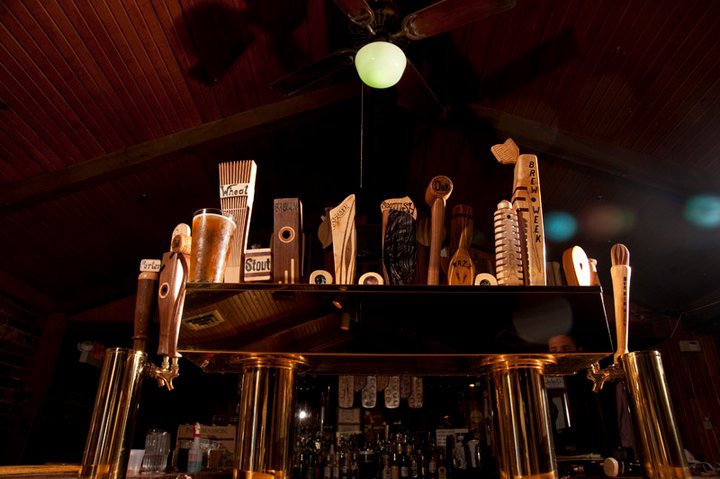
In that time I grew as a brewer and the business grew with me. We bought the building next door to us, opened up a restaurant space, added 20 taps, expanded our patio (about 2 ½ years ago). In the past 6 months we’ve bought a 7,500 square foot building and in June the 20bbl brewhouse and 40bbl fermentors will arrive. We also bought a canning line which should be showing up soon. Hopefully in the next year and half we will be statewide, so hopefully our name in the business will continue to grow.
It’s wild thinking back on all that’s happened, I never imagined anything like this. Things like bottling beer, having beer releases, the online beer community presence are things I couldn’t fathom would be possible especially in this amount of time.
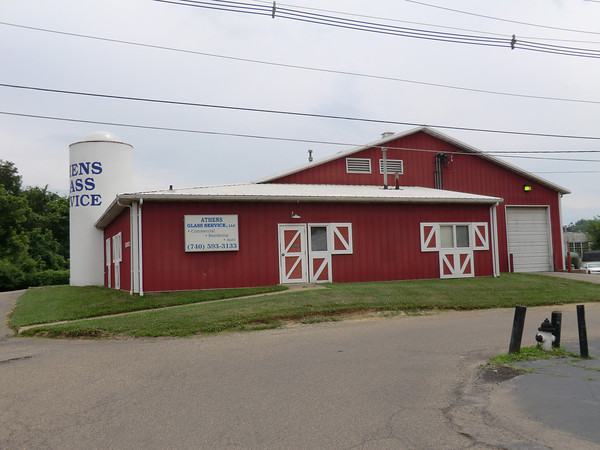
Front of the off site production brewery
ETF- The expansion is very interesting to people wanting to try the beers, how much more beer will you be producing and where will it go?
Brad- We’re able to self distribute here in Ohio, so we are going to self distribute. We are huge advocates of “if we can do it ourselves then we will do it ourselves”. Plus if it helps to create another job or two in the community then that’s definitely what we are going to do. If that means buying another truck or van then we are going to make that happen.
We’re going to watch our growth as we go out into the state. We have this main territory which will be Marietta to central Columbus and will be our first main run. I’m not too sure how much they will consume, it’s hard to tell, but I think we will be on track to do about 4,000 bbl out of the new facility in the first year. We picked up this canning line out of the blue. We weren’t planning on having any sort of packaging or shelf products out of that facility for quite a while. Now we will be jumping on that right away and we will see how fast it starts growing then.
ETF-So we can look for some canned sours right haha?
Brad- Haha!! Probably not…the plan is once we start getting some nice cash flow going and get a bit cozier over there we’ll pick up a 6 head Meheen 750 bottler. We’ll mainly focus on doing our Imperials, Belgians, and barrel aged beers off of that line. We will probably purchase that line when the first batch at the new facility (most likely Bourbon Barrel Dark Apparition) is ready/finished.
As far as the souring goes at the new facility I keep saying I want to wait to get that going. I’d really like to have a true isolated room for it, but I’ll probably sneak some stuff in there pretty fast. I’d like to have the brew pub basement/cellar become pretty much all sour beers. But we’ll see, that’ll be up to the new pub brewer when he starts getting comfortable here.
ETF- What’s the most adventurous project you’ve done so far at Jackie O’s?
Brad- Brewing sour and non-sours beers. I’m real picky on having a separate set of equipment for all my sour stuff. I’ve got separate tanks and other stuff for them so I’m sure they don’t get crossed. Some of the non-sour beers we’ve done have been really interesting. We’ve also got a farm that grows a lot of produce for our kitchen, herbs and fruit for the brewery like pumpkins and squash. We did an imperial butternut squash spice chocolate porter last fall. It had 7 different spices, 100lbs of locally gown butternut squash and 20lbs of chocolate chips so it was a pretty rad beer.
ETF- Wow that is Fall summed up in a drink..how was it received?
Brad- Really good, it went over surprisingly well. It had an interesting spice combination a few were: ginger, coriander, chilies, star anise and cinnamon. It didn’t have that typical pumpkin spice blend. It was more of an Asian or Indian food type influence character which played off the chocolate notes. Even with all that the squash notes were still able to come through in the beer.
Another one is the Oil Of Aphrodite which is our imperial walnut stout. That one is made using locally harvested black walnuts and dark Belgian candi syrup. We also make Dark Apparition which is our regular Russian Imperial Stout. This was my departure from the style a little bit, sort of my riff off of it so I tried to use a different batch of ingredients like different malts to give it a distinctive type of character. That one’s been really well received. We’ve also got the rum barrel version of it and I have a version of it in the rum barrels with Brett and raisins that’s been going for almost a year now. It’s a pretty wild beer that I’m trying to let go as long as I can.
ETF- What strain of Brett is in that one?
Brad- I used Brett C on it. The idea behind that was to play off the tropical feel of the rum by adding some of the pineapple character from the Brett. I find that in the rum barrels we use and the amount of time they sit, they give off this candied orange almost Grand Marnier character that can be pushed and played along with.
ETF- Whose rum barrels are you using?
Brad- We use the Old New Orleans Rum Distillery. So far I’ve been able to get their 10 year reserve barrels which I think helps to add that wonderful orange character.
ETF-How many wood barrels of sours do you have going right now?
Brad- We have 37 barrels total right now, 24 are sours and 13 are non sours.
ETF- Obviously you barrel age a lot of beers, what advice do you have for people trying their hand at barrel aging?
Brad- I think it’s important to choose your beer wisely that’s going into the barrel. If you are able to design a beer for the barrel, meaning that it’s going to have a lot of dextrins in it some residual sugars after the primary ferment. We’ve put just about everything into a bourbon barrel and there’s been a few times we thought yeah we should never do that again. Like our nut brown and porter they were just not big enough. They lack that body and character that it takes to stand up to the barrel.
Getting barrels that are fresh and wet is extremely important. If they’ve been sitting around drying out you are going to get leaks and infections. So we always get ours while they are wet. I don’t rinse them or anything like that, I just put the beer straight into the barrel. Also time is key. Let the barrel do what it’s going to do and don’t rush it. You will get better results by waiting and letting the flavors really meld, develop and mellow.
ETF- What do you think is the biggest misconception about sour and wild beers?
Brad- I think the obvious one is concerning Brett and what Brett actually does in a beer. Some assume just because Brett is in a beer the beer is going to be sour. Basically just not understanding what Brett does and what it lends to the beer as far as aroma, flavor and even texture.
I think there’s been some problems with breweries having beers go bad and releasing them under the guise it was an intentionally sour beer. I think that’s created some doubt in people’s minds. I’m not sure if that’s really a misconception but it’s an issue about how wild beers are perceived. The perception is constantly evolving. And I guess we are still trying to figure out what to call some of them haha!
ETF- Advice for the person getting into sour brewing?
Brad- I think it’s really important to design the beer recipe to be soured. Meaning that you will be mashing higher to get some good fermentables/food for the Brett and/or the bacteria. This will help you get more sour character.
For the first run just keep the recipe simple with nice blonde or red. You just need to be super patient and forget about it. Check on it, but if the beer is not there yet…then wait another 6 months.
ETF- What would you say to sharing a Jackie O’s recipe for all the people who can’t get your beers and to help newer sour brewers with something solid?
Brad- Sure. How about the Dynamo Hum? The base beer is our Razz Wheat (raspberry wheat ale).
Dynamo Hum Clone
1.052 OG, 90 minute boil, 5% ABV
63% American 2-Row
37% White Wheat
Mash at 147F
Saaz at 60 min
Saaz at 30 min
Saaz at 0 min
**Brad uses 3lbs of 4.5aa Saaz in 8.5bbls of wort**
Ferment with Wyeast 1056 at 68F
After ferment, chill the beer down and add 1/2lb of raspberry puree for every gallon of wort. Keep beer cool for 5 days. Trasfer the beer into a cabernet barrel.
Once in the barrel, add Brett B and Brett L. Allow Brett to ferment for 2 to 5 months. After the initial brett ferement (2 to 5 months,) add pedio and lacto cultures.
At 1 year, add 1lb of fresh raspberries per gallon of barreled beer, preferbly locally harvested. Give the raspberries a gentle rinse and add to the barrel.
At 2 years, add another does of raspberries, 1lb per gallon, let the beer age for an additional 3 months and then package.
Make sure you follow Embrace The Funk on Twitter and Facebook! Until next time Cheers!
A few months ago I was thinking about the packaging of my beers and what I should start doing to take that part of brewing to the next level. I love how caged and corked bottles look. There is just such an elegance to unwinding the cage and popping the cork on a good sour beer. In my mind it’s one of those small things that separates beer boozers from people who really “get” the entire experience from a bottle of beer.
What got me thinking I should look into waxing bottles was the bottle sharing during the Yazoo Fortuitous release party. I was lucky enough to open a bottle of New Glarus Belgian Red and right after that open a bottle of Fifty Fifty Four Roses Eclipse. The wax on the Eclipse well eclipsed the crumbling candle type wax on the NG bottle. I wanted to do something like Fifty Fifty had done so I started looking at the prices for wine bottle wax. Wow it was expensive for wax!
A week or so later while chatting with a fellow brewer the waxing conversation started. He had waxed 48 bottles for around $6 using a very simple technique he read about a year or 2 ago: Using hot glue gun sticks and crayons. Below is my first attempt at waxing bottles using this technique to make beer bottle wax.
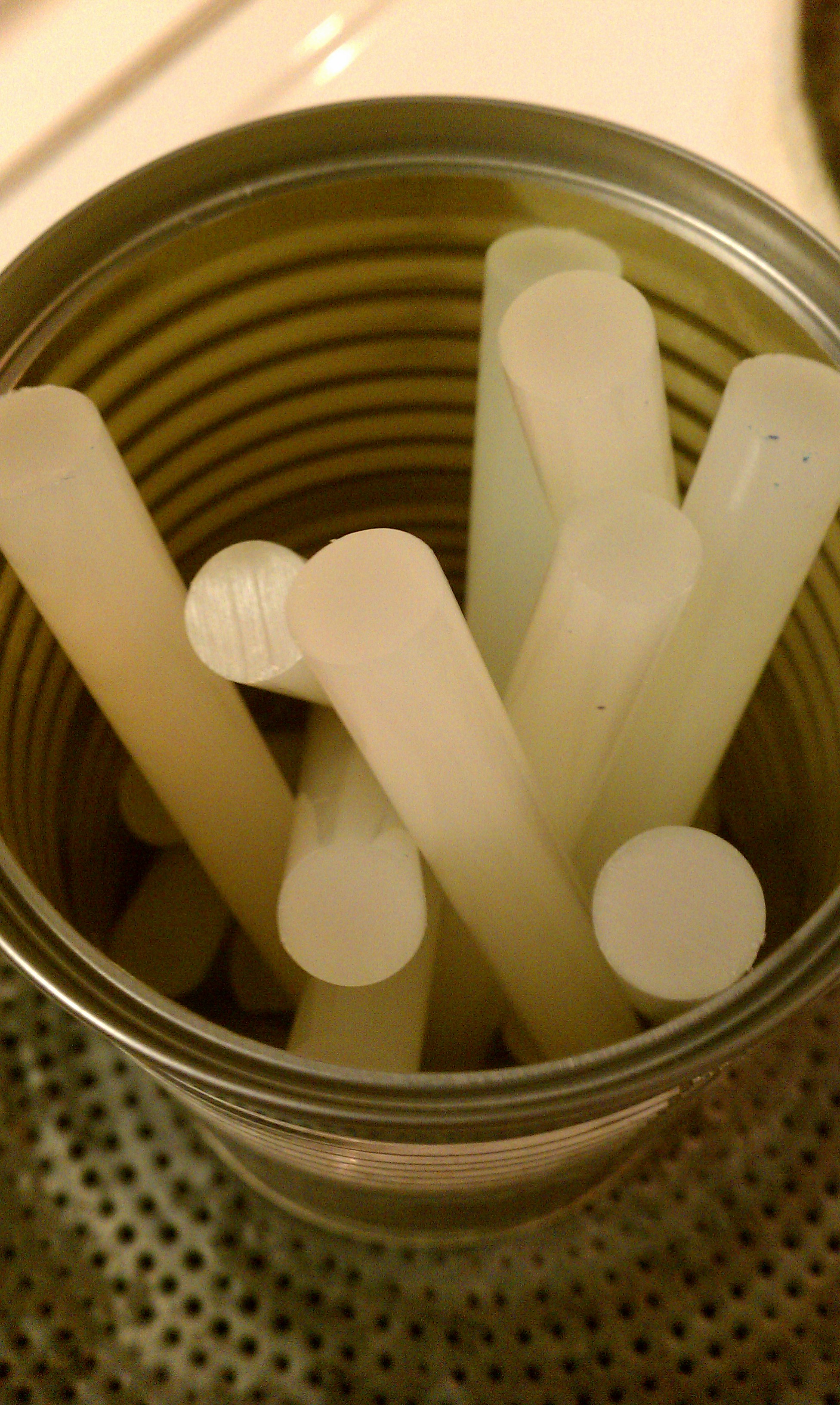
I got this pack of crayons at Big Lots for $1.50 and the pack of glue sticks at a local craft shop for $2.99 a pack ( I bought 2 packs). Next time I will buy another pack or 2 of glue sticks and add 3-4 more crayons (**SEE UPDATE BELOW**) so I can get a longer wax seal on the bottle neck. The chepo brand version crayons seemed to do just fine for dying the wax. Shhhhhh don’t tell anyone but I also grabbed a few of the broken crayons from my daughter’s art supply box.
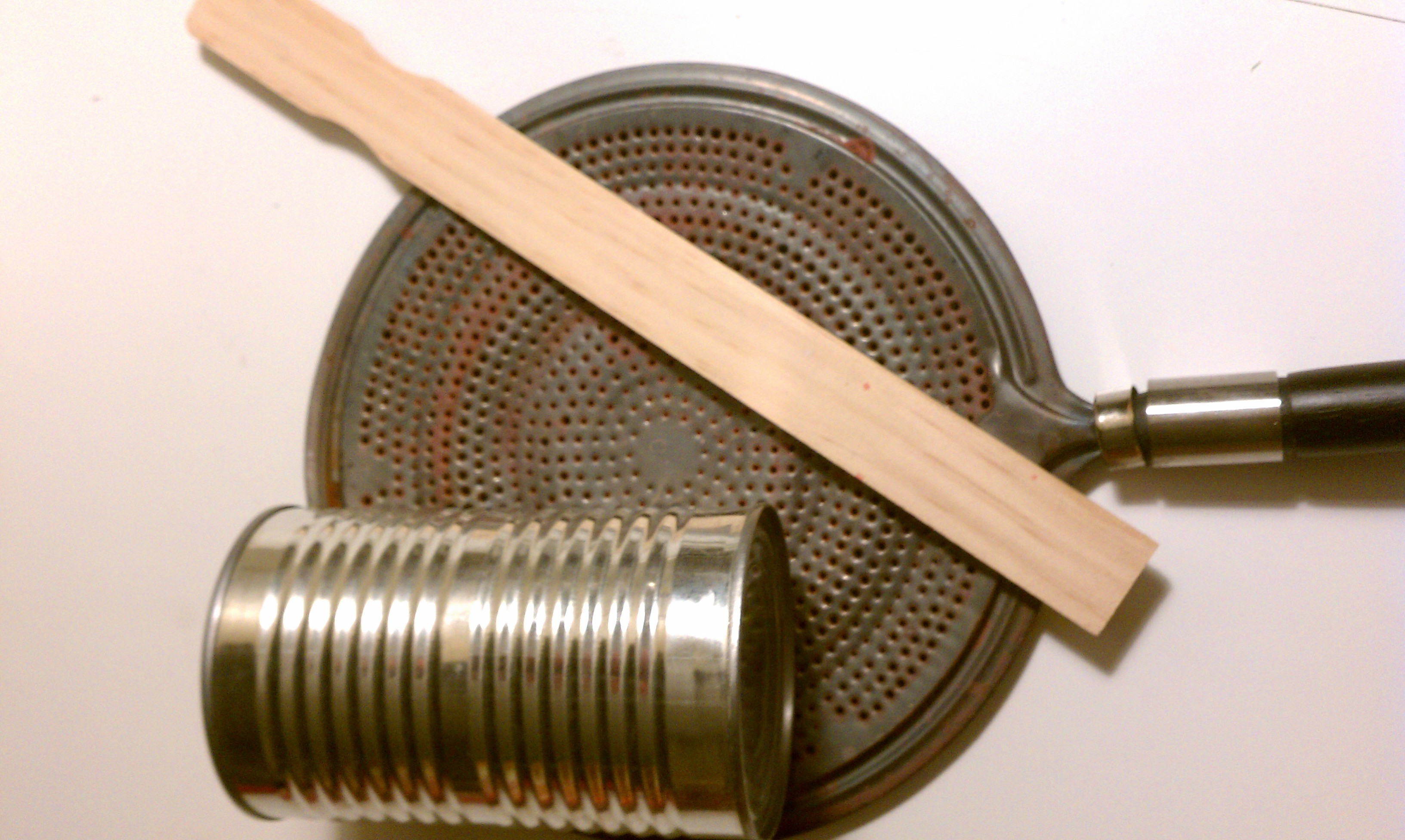
Paint stirrer, cleaned soup can and a heat distributor for the stove eye.
Next (per my friend’s suggestion) I used a clean soup can to melt the glue sticks. Both packs were pretty much melted within 15 minutes running the stove on medium high.
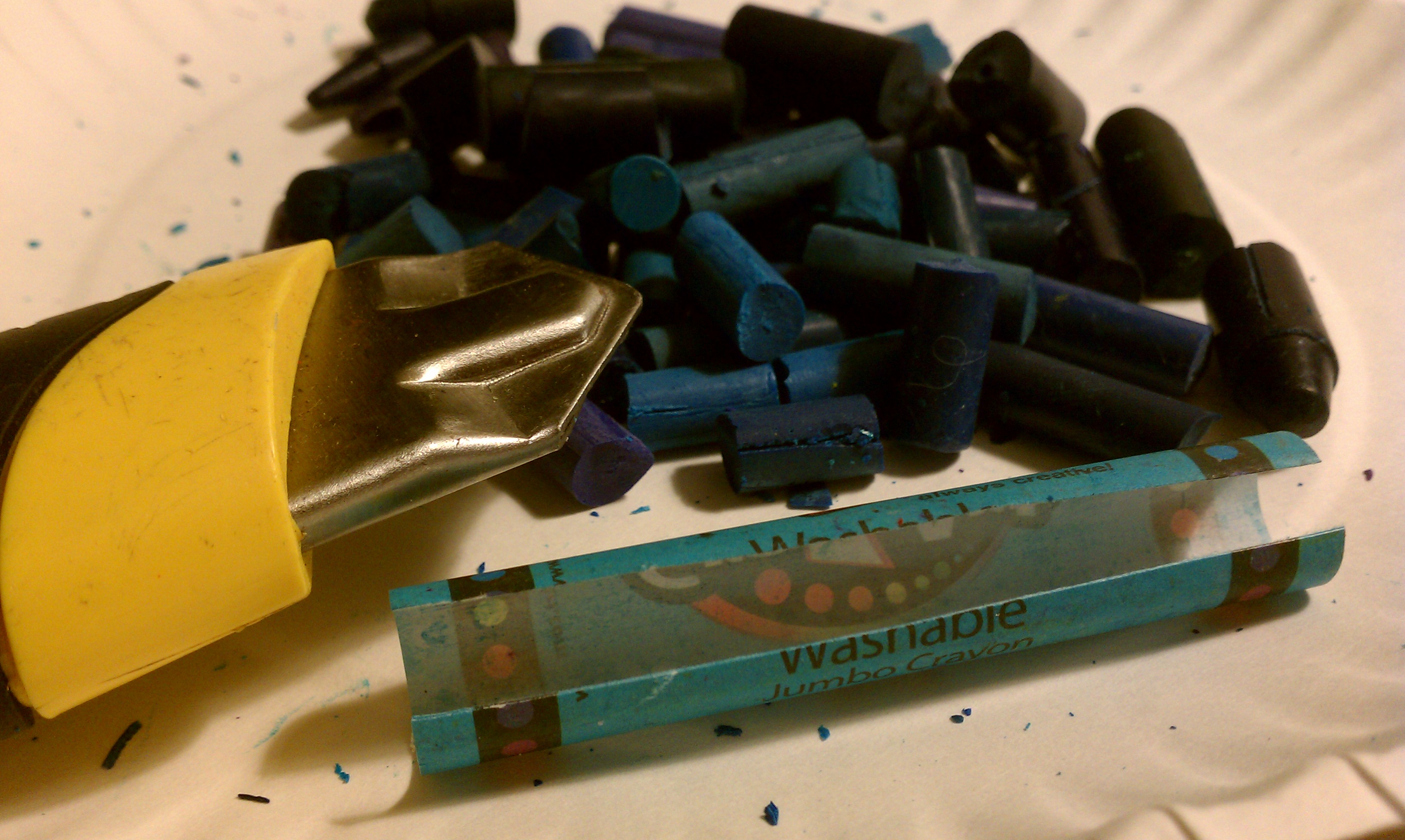
While the glue gun sticks were melting I worked on getting the crayons ready. I found that using a razor blade to slice the paper was much easier that tring to find the paper seal and peel each crayon. Just run the blade the length of the crayon then remove the paper, easy. As you can see from the picture I just broke the crayons up into smaller pieces to speed up the melting time.
Approximately 10 crayons were used *SEE UPDATE*
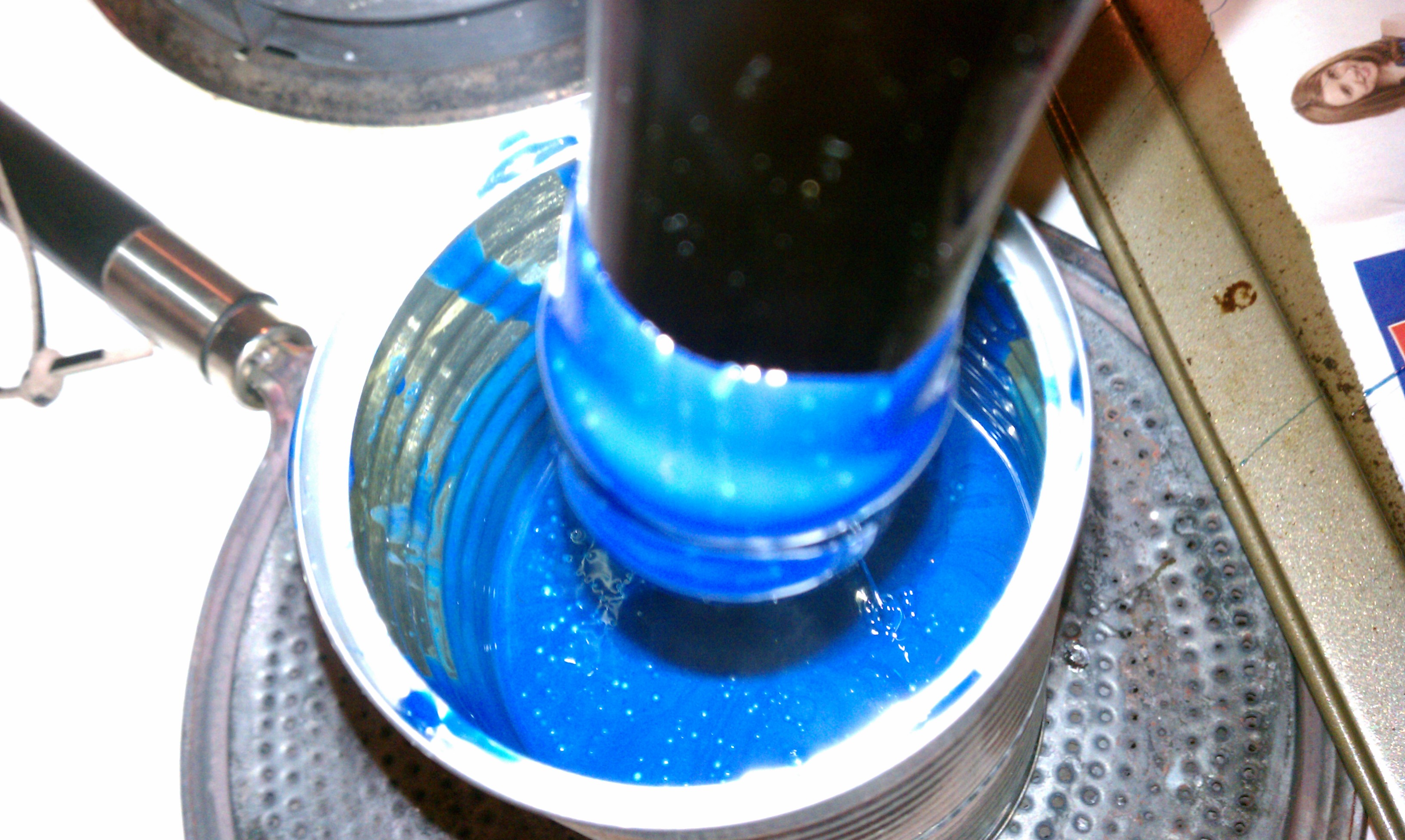
Next I dumped the broken crayons on top of the melted glue sticks. Gently mixed that around until I thought the color was consistent.
Now comes the really fun part…dipping your bottles into the wax! Make sure the mixture is hot, not boiling but maybe slightly under. If the mix is too cool then it will dry thick and quickly. I dipped for about 1 second and gave the bottle a slight turn while it was in the wax. Then I pulled the bottled up about an inch over the can (hold bottle sideways and slowly spin) while the excess drained back into the can (probably 4-5 seconds). Set the bottle upright and let the wax cool. I did notice the color was about 10% darker when the “wax” dried.
Overall I’m really happy with how this project turned out. The color of blue is so rich and deep for the bottles. When I print out labels soon I really think these bottles will look nice. A few changes I would make is just buying more glue sticks (also increasing the amount of crayons) and use a smaller can. I used a Campbell’s Chunky can, but I think I could use one of the smaller cans from a chicken noodle. I would like the seal to be a bit further down on the neck. I will increase the amount of crayons too if I increase the glue gun sticks. The amount of wax mixed with the glue sticks needs to increase so you don’t end up with a seal too hard to remove. When doing a lighter color with less crayons the lack of crayon wax something to consider. It might be wise to decrease the dip time in order to get a thinner seal.
Oh I should probably talk about the beer. The 2 batches I waxed tonight were my single brett fermented beers. 5 gallons each Brett B, C, and L. The brett L version should finish up in a few weeks. I’m looking forward to a vertical tasting with each of these beers.
**UPDATE 5/2/2012**
I have opened one of these bottles (the beer is tasting great) but I wanted to add some thoughts.
Next time I will make a slight adjustment on the crayon to glue stick ratio. I thought about 1/2 a crayon per bottle would be enough, I think using 1 crayon per bottle (750ml) and using 9 of the 4″ glue sticks is a better calculation. This will give a bit more volume like I wanted to get a deeper dip and thin out the mixture a bit more making bottle opening a bit easier.
Make sure you don’t buy Ultra-Tac or Super Adhesive glue sticks. The all purpose chepos are what you want.
Crayons are different lengths and sizes. The ones I got were 3.5″ long and about a 1/4″ thick.
I think I could increase the the crayons another 5-8 (possibly 10) while keeping the glue sticks at 9 and still get a very nice wax.
I did use a knife to make a slice around the bottle wax and it popped off fine with no wax flakes.
The Mexican restaurant down the street from me gave me a bunch of their broken crayons from their basket. FYI in case you frequent somewhere and you feel comfortable asking for broken crayons.
It may take a time or 2 to get your ratio right. You could always dip one bottle, let it cool, then open to see if the ratio is right.
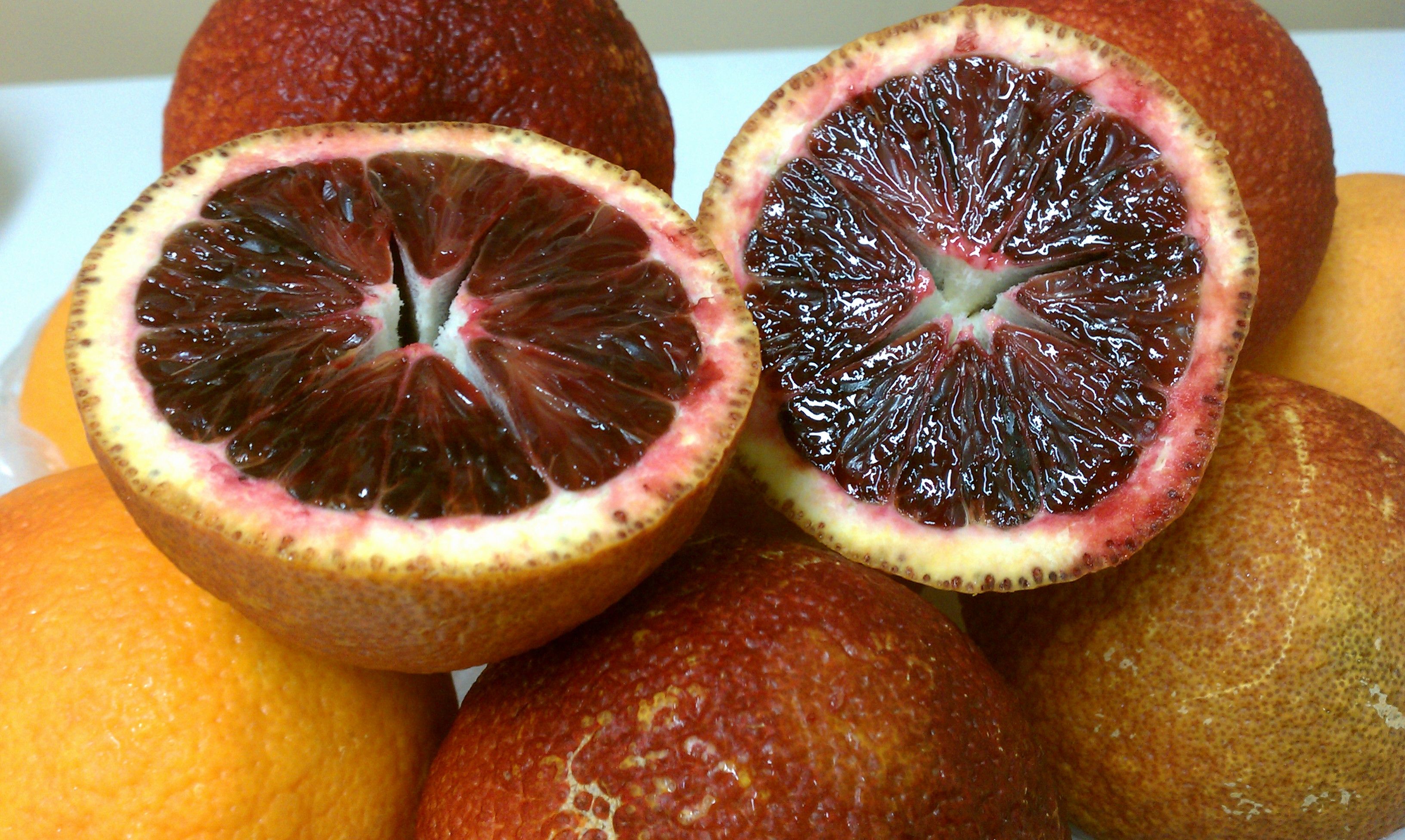
If you’ve read a few of my articles here then it’s obvious I’m pretty loyal to dramatic cable TV shows: Breaking Bad, The Walking Dead, and yes…. Dexter. During the open of Dexter there is a scene where he is cutting and juicing some Moro oranges, known by most as “Blood Oranges”. I never ate a Moro orange before I saw it on Dexter, but when I finally tasted one I knew somehow this was going into one of my beers. During the 2011 season I had an idea to brew a sour/wild beer using blood oranges, but the blood orange season had already past. 2 weeks ago I saw the oranges were in season and on sale so I bought 25 pounds. Oh yeah, a blood orange lambic was in my future!
On March 14th I brewed a 23 gallon batch to be split 3 different ways. All would use the same base wort, but get varying amounts of blood oranges and fermented 3 different ways but all pitched at 65F.
5.5 gallons got my melting pot bugs (mason jar I keep filled with my house microbes plus numerous commercial dregs I just dump in)
Base recipe:
Dexter Morgan’s Funky Side
OG-1.051, IBU- 3, 153F Mash Temp, 60 Minute Boil
Briess White Wheat – 50%
Franco Belges Pale Malt – 35%
Wyermann Munich – 9%
Wyermann Acidulated Malt- 6%
Saaz 3%AA 3 IBUS @45 Minutes
Saaz 3%AA @0 Minutes (1oz per 5.5 gallons of wort)
Moro oranges cut and weighed out
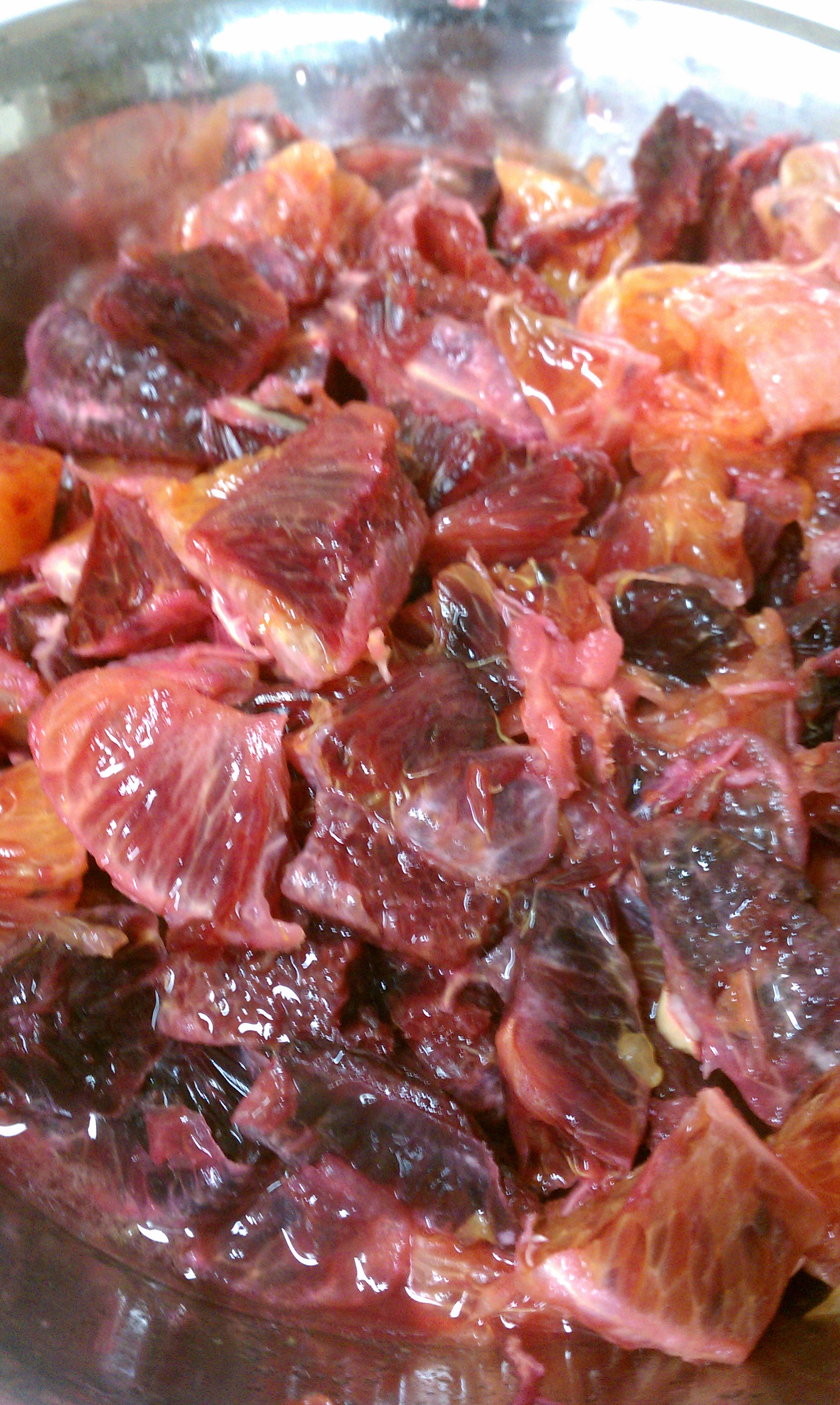
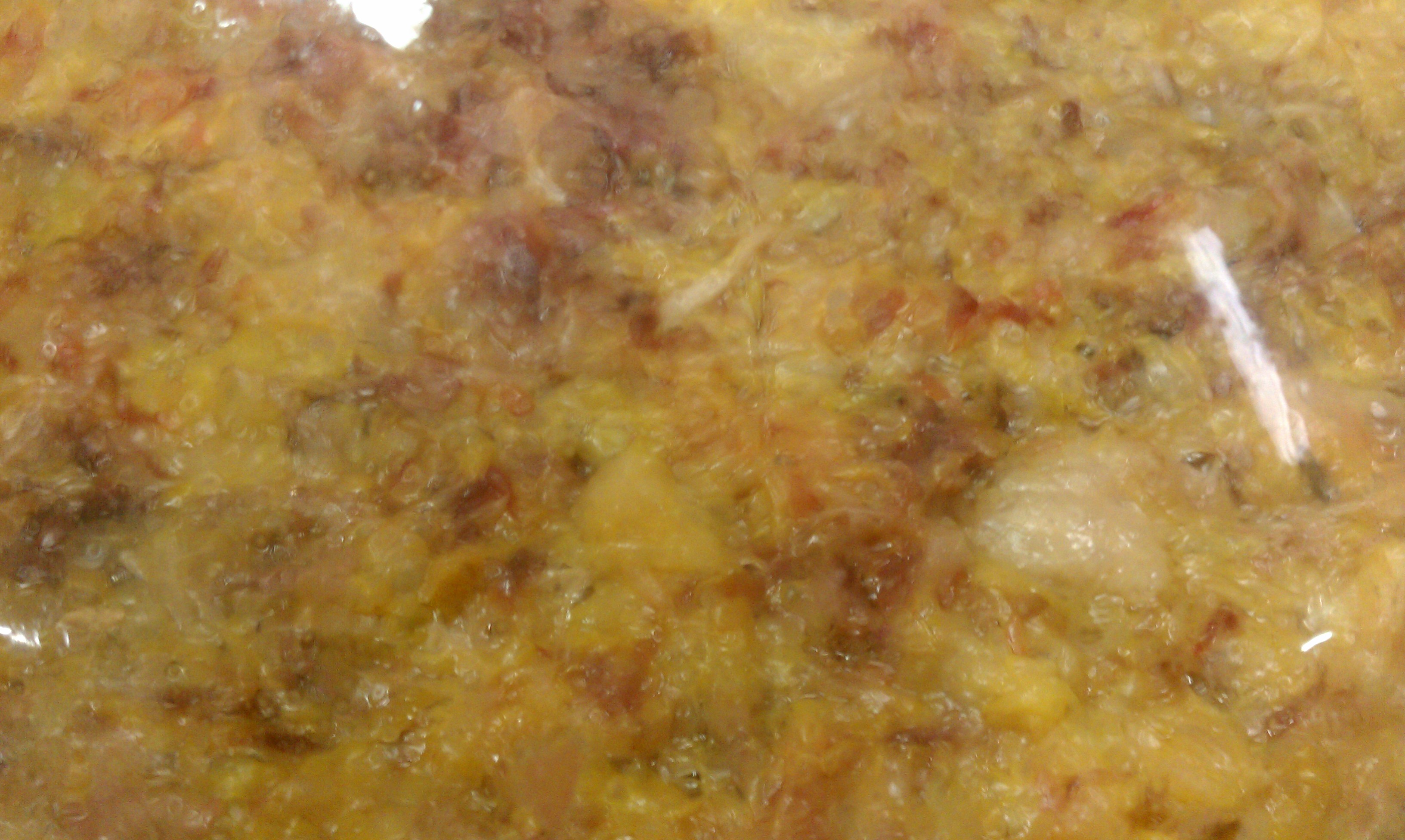
I let the base beer ferment for 5 days before I added the oranges. I peeled, cut up, and smushed the oranges into a size I could easily dump into the carboys. I did crush some of the oranges into a juice. One of the most tedious parts of the orange prep process was removing as much of the “white rind” and stringy bits as I could. I found a cheese grater worked really well after the main skin was peeled for removing the small bits of white rind still stuck on the orange. I was able to get a good amount off the oranges, but knowing I wouldn’t be able to remove it all is one reason the hop IBUs are low in this recipe. The white parts will add some bitterness, so I tried to compensate for the left overs I couldn’t remove.
The oranges went into a bowl that had a few ounces of Vodka that I spread around on the oranges. Approximate amounts of peeled cut up oranges 5lbs per carboy, although I think the house funk carboy got about 5.5lbs. A small amount of orange peel zest was added to each carboy, I’m not sure on the amount though. Call it 2 pinches.
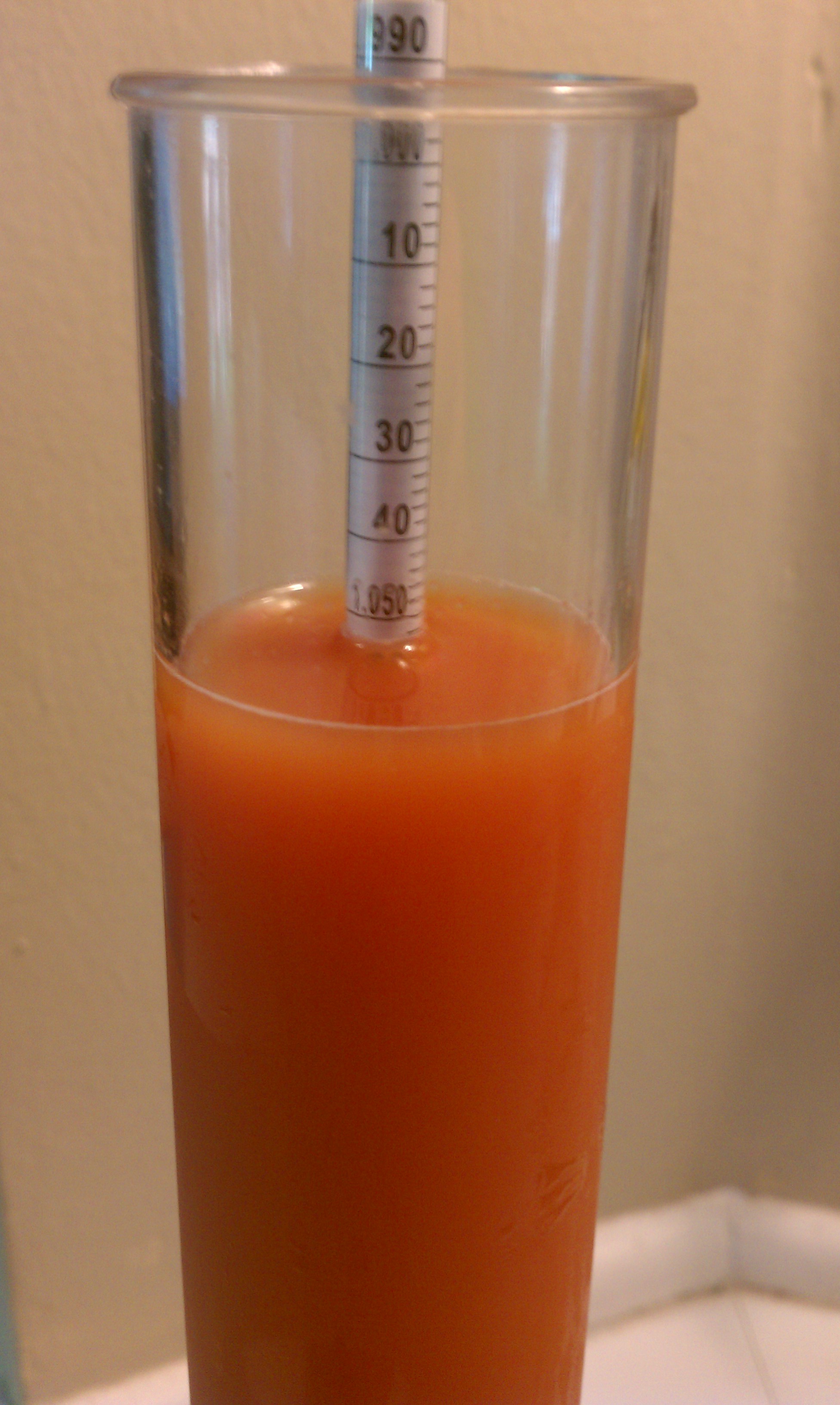
1.054 Gravity
I did get the gravity and ph of the blood oranges but accidentally deleted the ph picture. However I can report the measured ph was 3.6. The gravity of my blood oranges I had came to 1.054.
Using a large mouth funnel the juices and pulp poured right into the carboys with only a few pieces needing that extra smash with a spoon. As I was pouring in the oranges I also had a 2 psi stream of co2 going to lessen the chance of oxygen pick up.
Left Brett C+WLP320, Right is Funky Melting Pot blend at 24 hours48 hours, temp up to 70Blood Oranges In The Lambic version
As of this post the oranges have been in the carboys for almost 5 days. Today I decided to pull samples for gravity readings and tasting. 10 days into this batch and I’m really liking what’s going on. The Brett C+WLP20 version is showing some great playfulness between the yeasts and the oranges. Really complimenting each other very early on. The funky version is showing lactic acid flavors and great orange/grapefruit/raspberry flavors. I do think the beers will darken up and get redder as the oranges break down more and drop out. Right now they are all floating at the top of the carboy.
As always I’ll update this post when I get some new info for you, but so far I’m happy with what I am tasting. I did buy a few more pounds of oranges that I’m going to juice then freeze in case I need to add more out of season. The yeasts will determine the beer schedule but right now I’m hoping to serve the Brett version in July. Should be a nice crisp citrus wild treat for the hottest part of the summer and for the new season of Dexter a few weeks later!
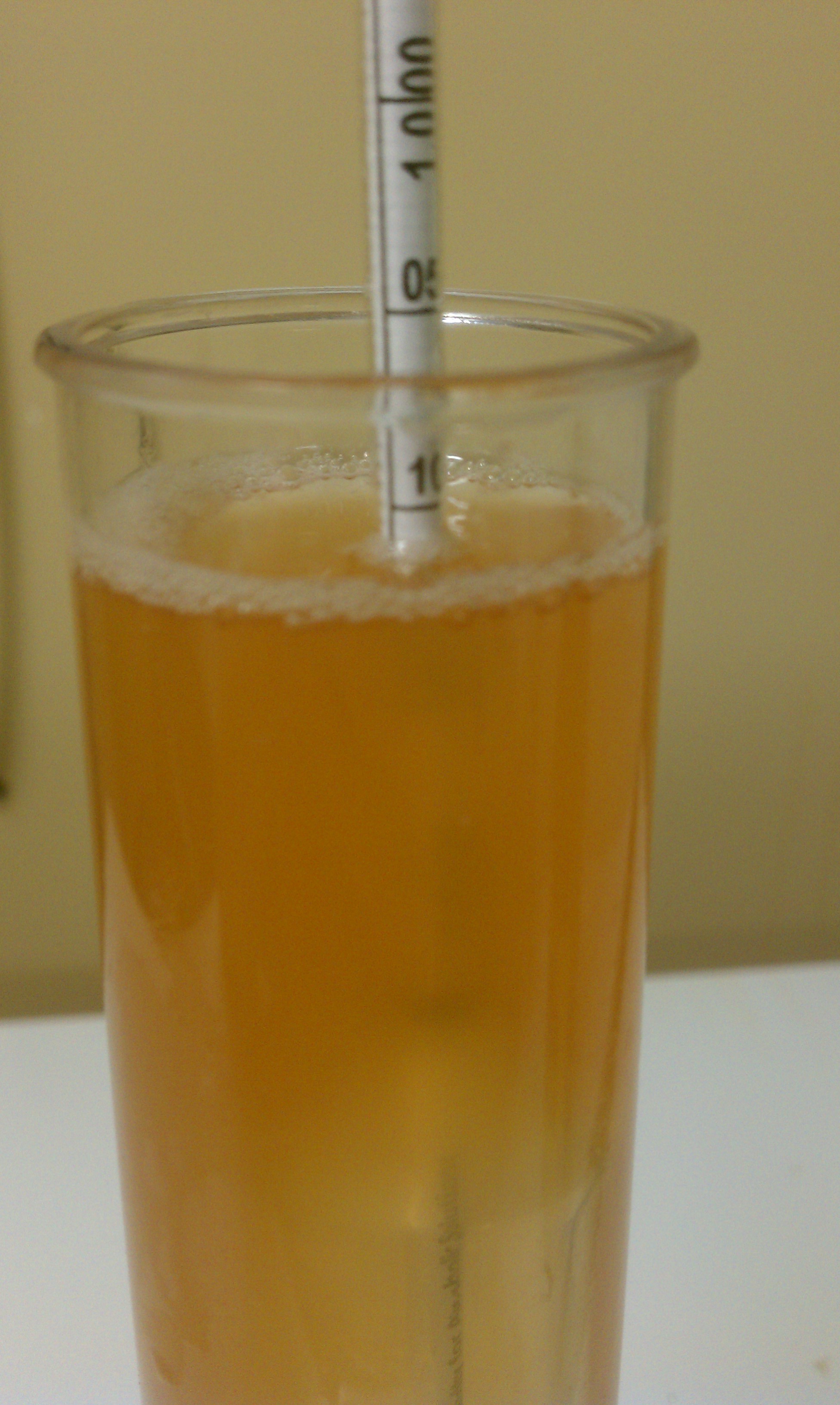
3/23/2012 Gravity Reading (Brett C + WLP320) 1.008
k
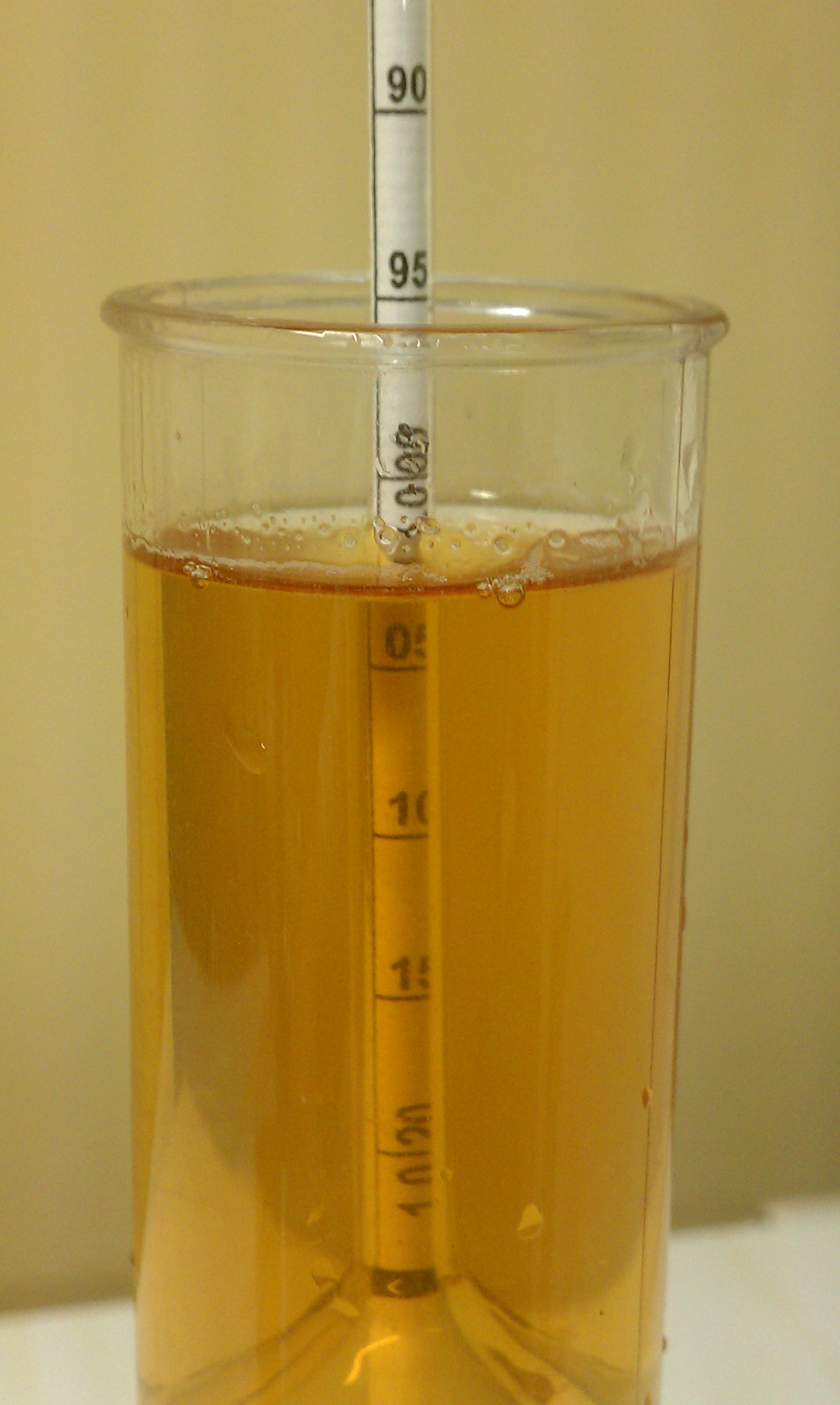
3/23/2012 Gravity Reading (Melting Pot Microbe Blend) 1.012
********UPDATE*******
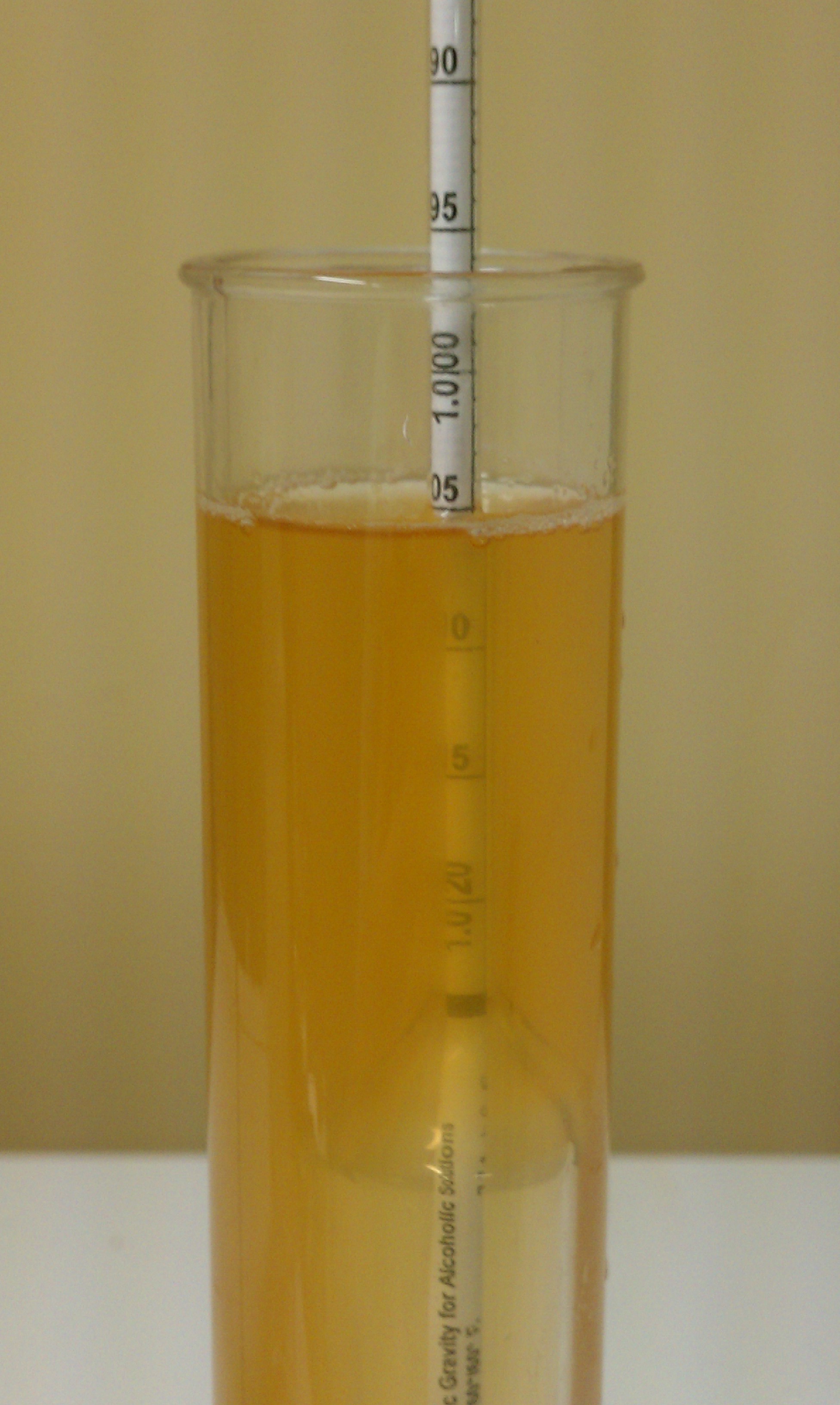
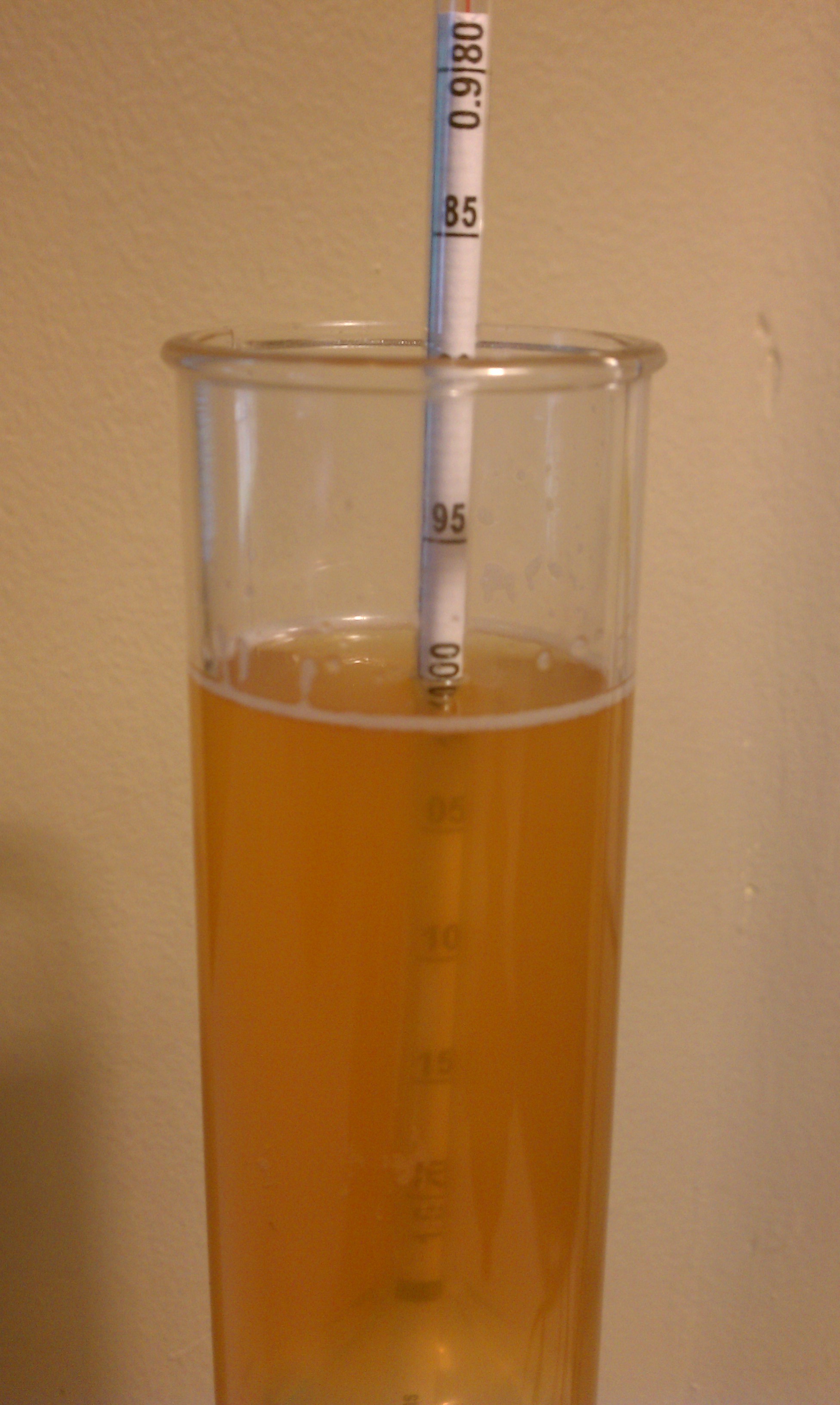
5/16/2012 Gravity Reading (Brett C + WLP320) 1.003 . Beer has dropped very clear, the Brett C flavors/aroma are peaking through. Another month in the carboy should be good.5/16/2012 Gravity Reading (Melting Pot Microbe Blend) 1.006 . Big Lacto and Citric flavors. When finished this beer will not be for wussy mouths. I’ll probably take another reading in July.
**************UPDATE 7/14/2012 (WLP320/Brett C Version)**************
Sample got cloudy when I moved the carboy for bottling
This version is now bottled up and undergoing carbonation. As you can see by the picture this batch fermented all the way out. One last minute change I made to this batch was I decided to dry hop it. I had about 1oz of Citra pellets I needed to use so I tossed them in at 70F and let them sit for 10 days. The aroma on this beer at bottling is huge pineapple and oranges. I can’t wait to start sharing bottles of this version.
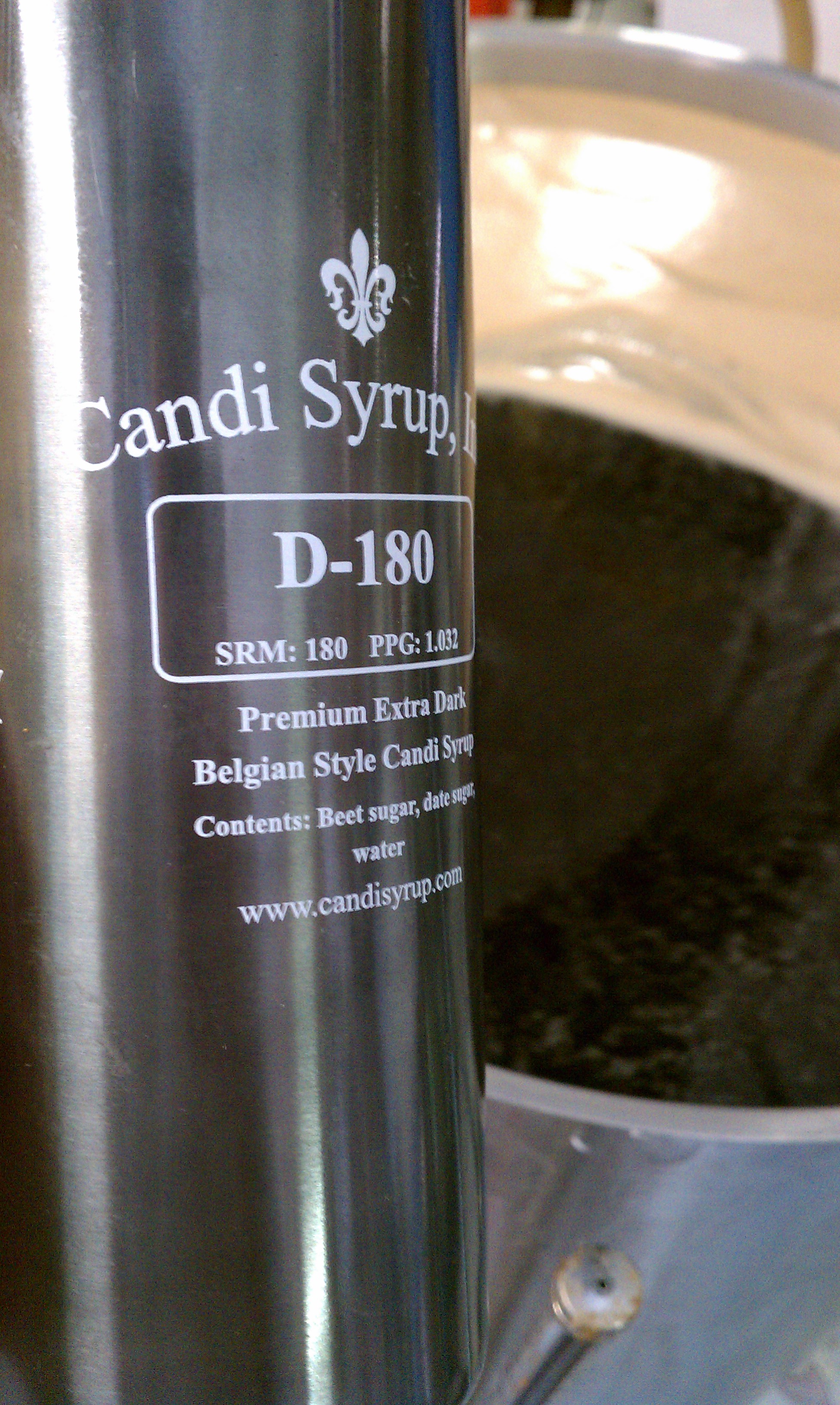 that I have been really excited about: CMY1 and ECY02. The CMY1 is Chad Yakobson of Crooked Stave’s Brett strain. The ECY02 is East Coast Yeast Flemish Ale which I picked up in late 2011. Also used on brewday was Wyeast 3787.
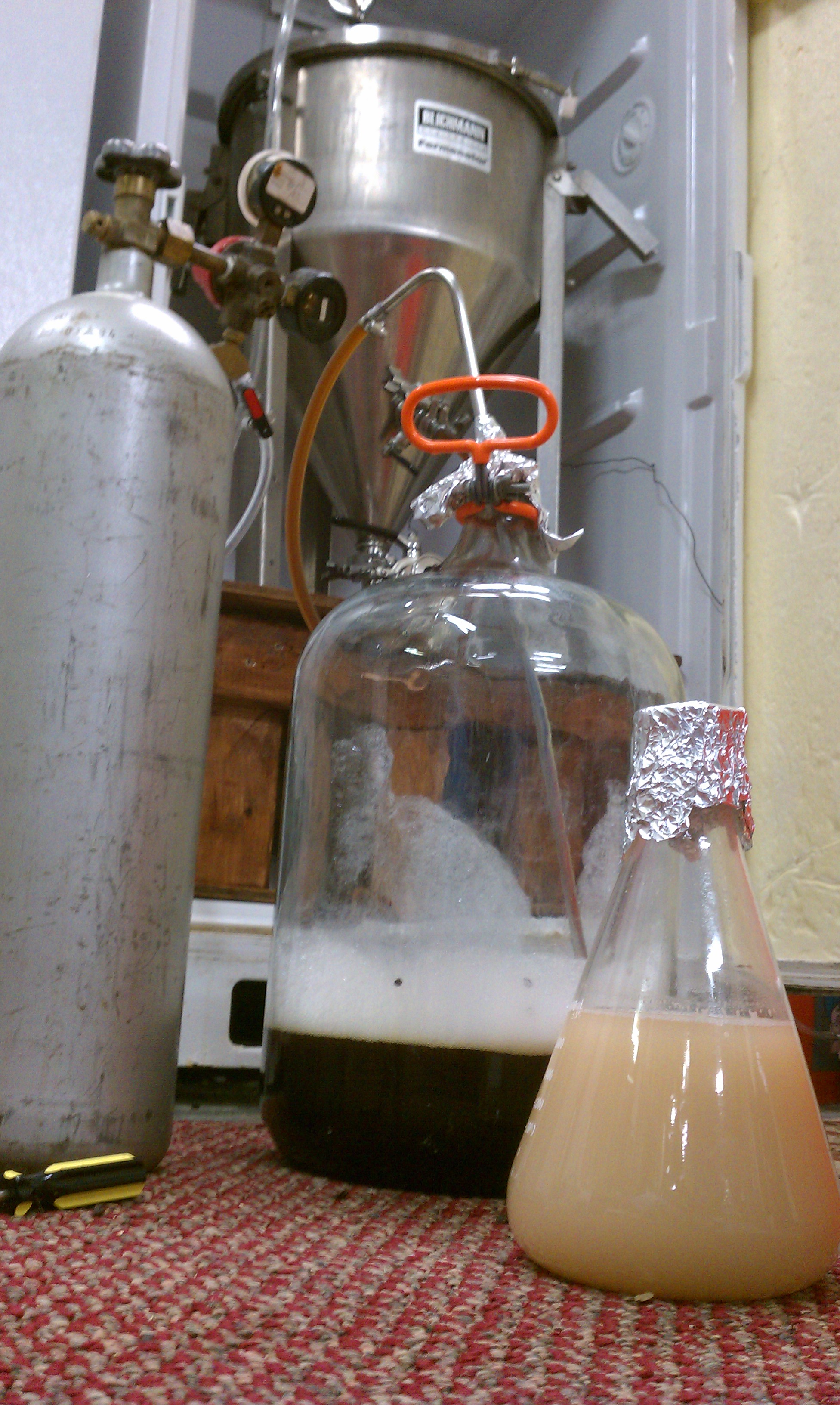 Let’s talk about the 3787 split batch first. Half of the 12 gallons will end up as a Dubbel/Oud Bruin without the funk and the other half as a Russian River Consecration inspired beer. It’s not intended to be a clone, just an inspired recipe. The base wort went into my conical (I only ferment sacc strains in it) to be fermented with Wyeast 3787 Trappist High Gravity.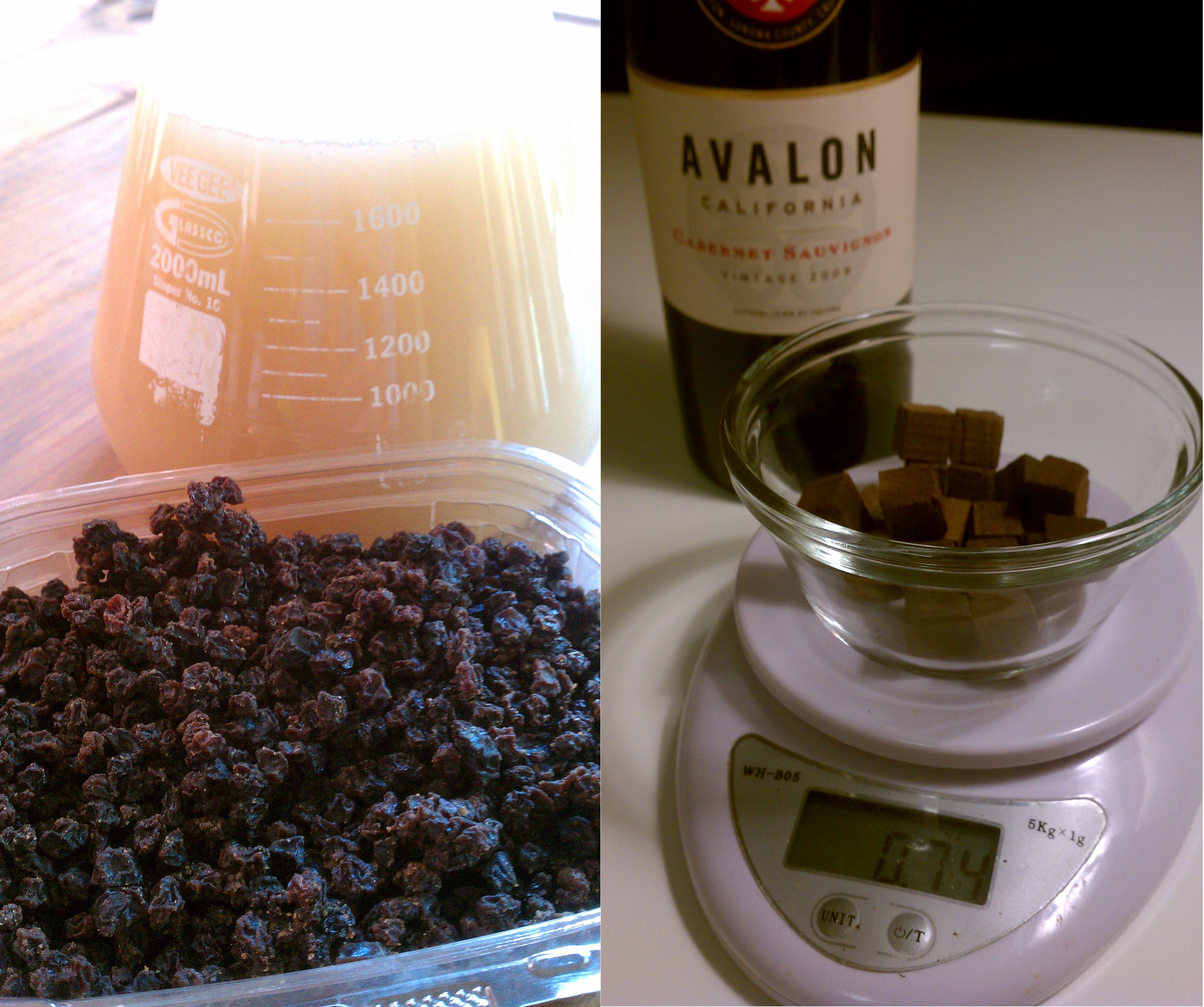
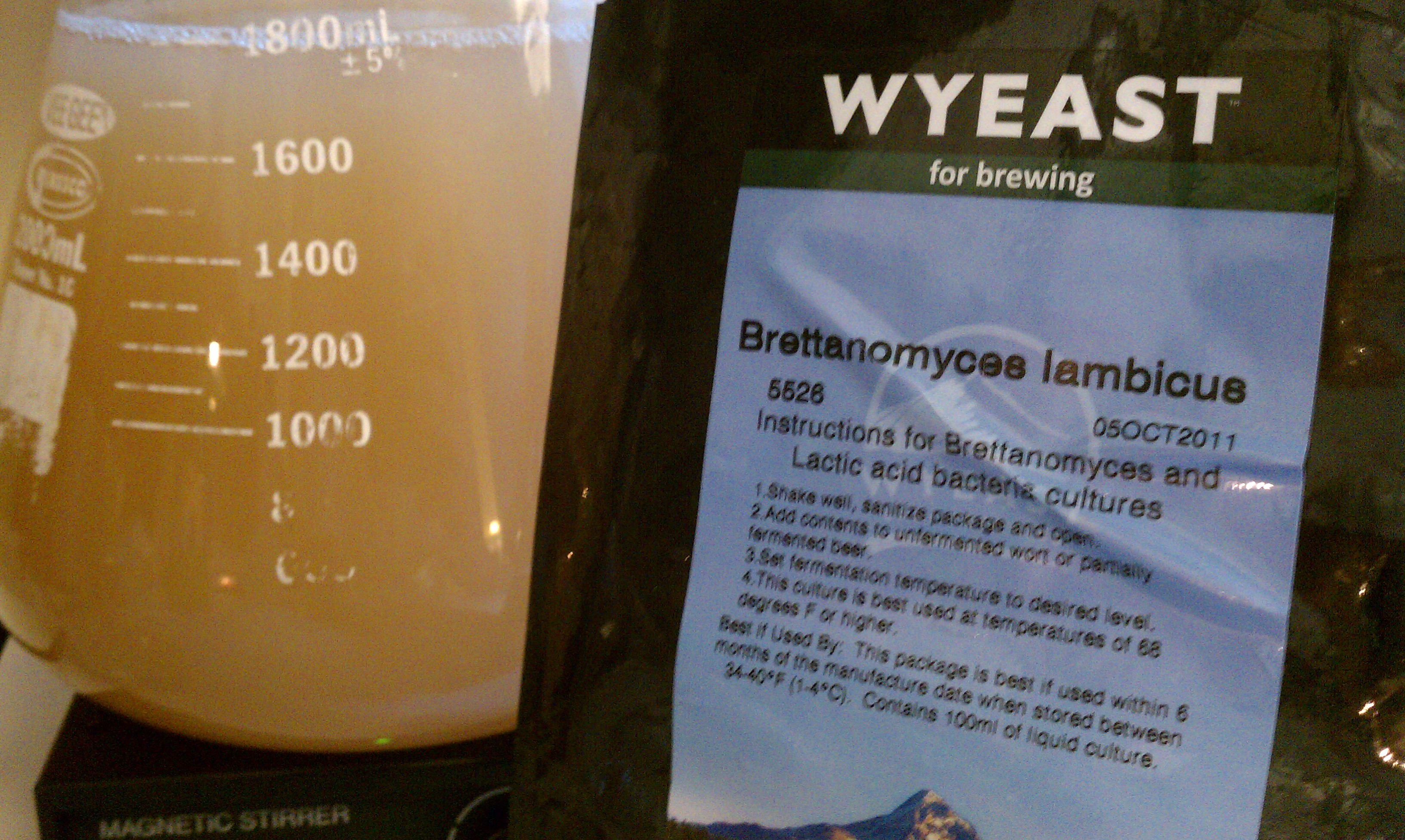 Lambicus. Normally this would’ve been in the carboy first too, but I got caught up in taking pictures and forgot to add it. Two packs of 5526 were on the stir plate for 7 days. Given these were slightly older packs it took a few days to see them come alive. The Wyeast 5526 is my first choice for Brett Lambicus. Their version seems to have more tart cherry and smokiness than the WLP653. I’m planning to let this one go for about 8 weeks then pitch some Lacto and Pedio. From there it will probably age 6-8 months then get bottled in the Vinnie style 375ml’s, but as always with sour brewing the funk makes the schedule.


 Now I don’t have much on the ECY02 Flemish Ale other than this video I posted on the Embrace The Funk Facebook page. I’m planning on just letting it go for at least 3 months before I pull a sample. Due to the limited availability of this blend and the great microbes in it I’m not really interested in packaging this beer. I’m probably going to keep this one going as a Solera project/blend into other beers or eventually step it up to something larger…maybe?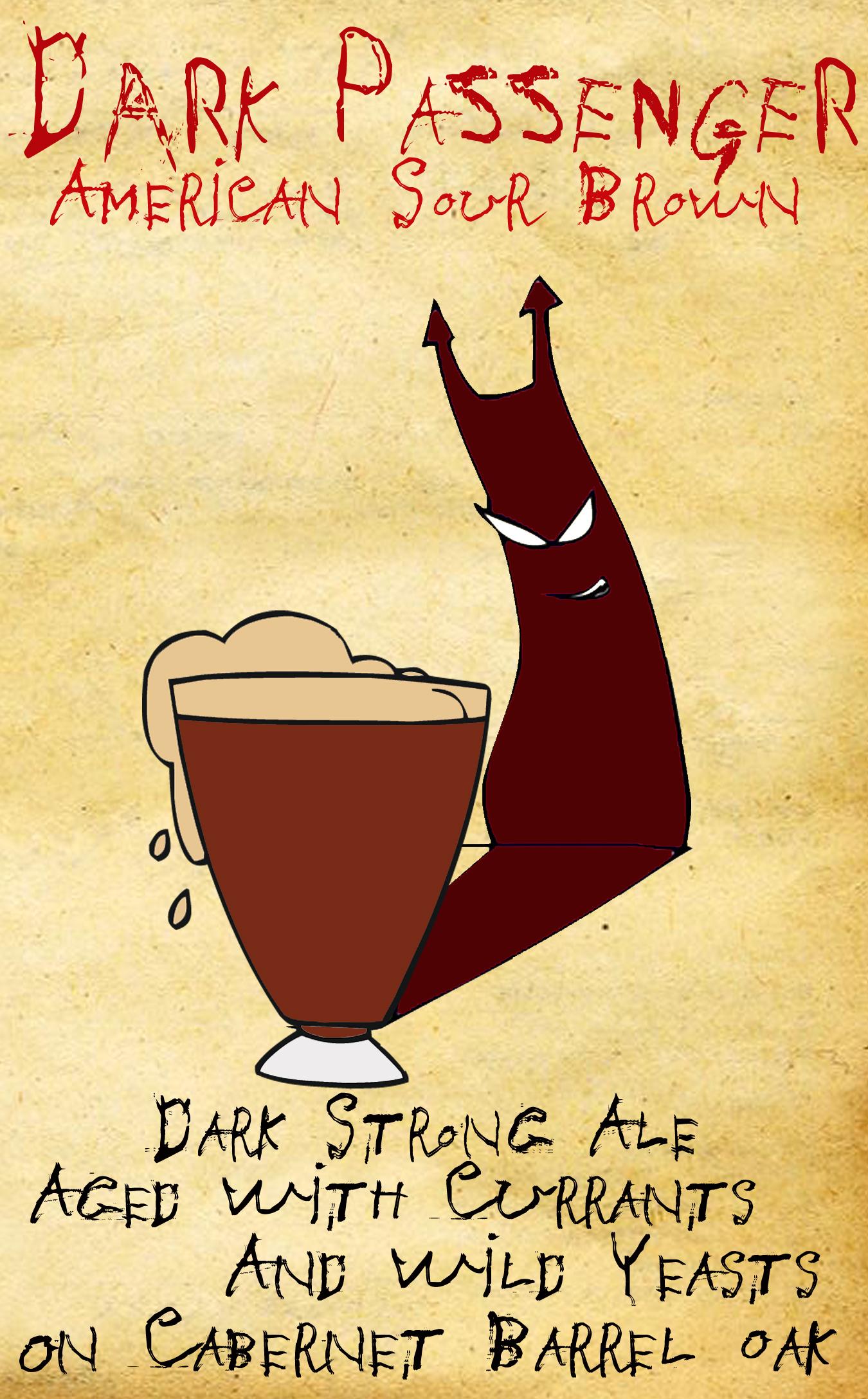






 Embrace The Funk