Hi everyone! Usually I write an intro to these interviews, but honestly I am so excited about the content in this one and the recipe at the end I say we get right to it! Here is my interview with Gabe Fletcher formerly of Midnight Sun, now owner/head brewer of Anchorage Brewing Company.
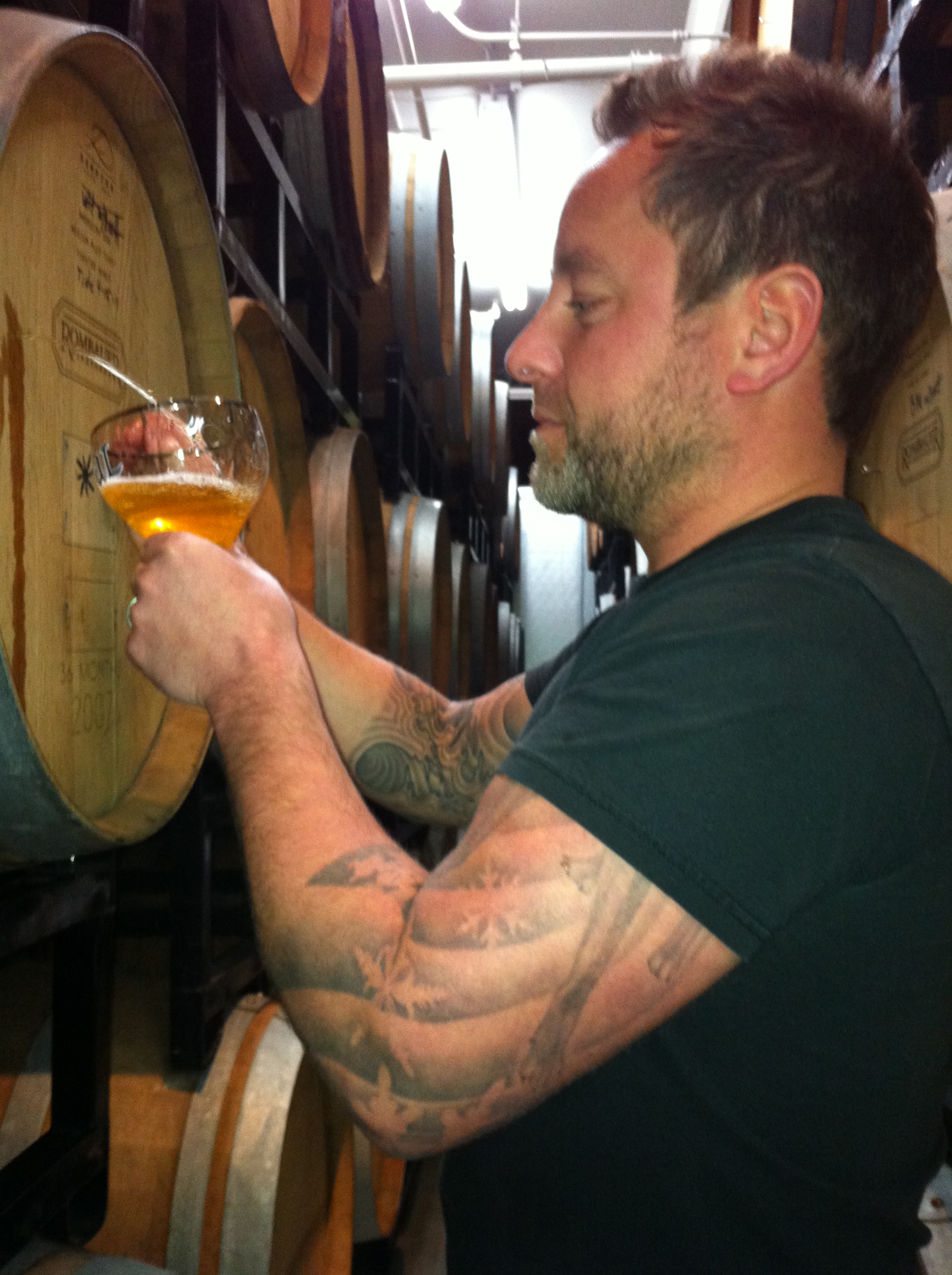
ETF- What beer was your sour beer epiphany?
Gabe- I would say mine was definitely Hanssens Gueuze probably about 13 years ago. That beer more than anything, obviously I got into the Cantillon stuff, but there is just something about that Gueuze. It has that really nice sesame seed flavor to it and was just so refreshing.
ETF- Out of your lineup at Anchorage Brewing what beer would you recommend to someone who is trying out this wild and sour beer thing?
Gabe- I would say the Whiteout Wit. It’s my white beer aged in French Oak Chardonney barrels with brettanomyces. It’s really refreshing, it has a little tartness to it but clean. So far it’s been the beer even non-beer drinkers love.
ETF- So it’s aged with brett, not just bottled with it right?
Gabe- Yeah it’s aged with brett. All my beers will have brett.
ETF-Do you have a certain “house strain” of brett and are you using the same brett on all the beers?
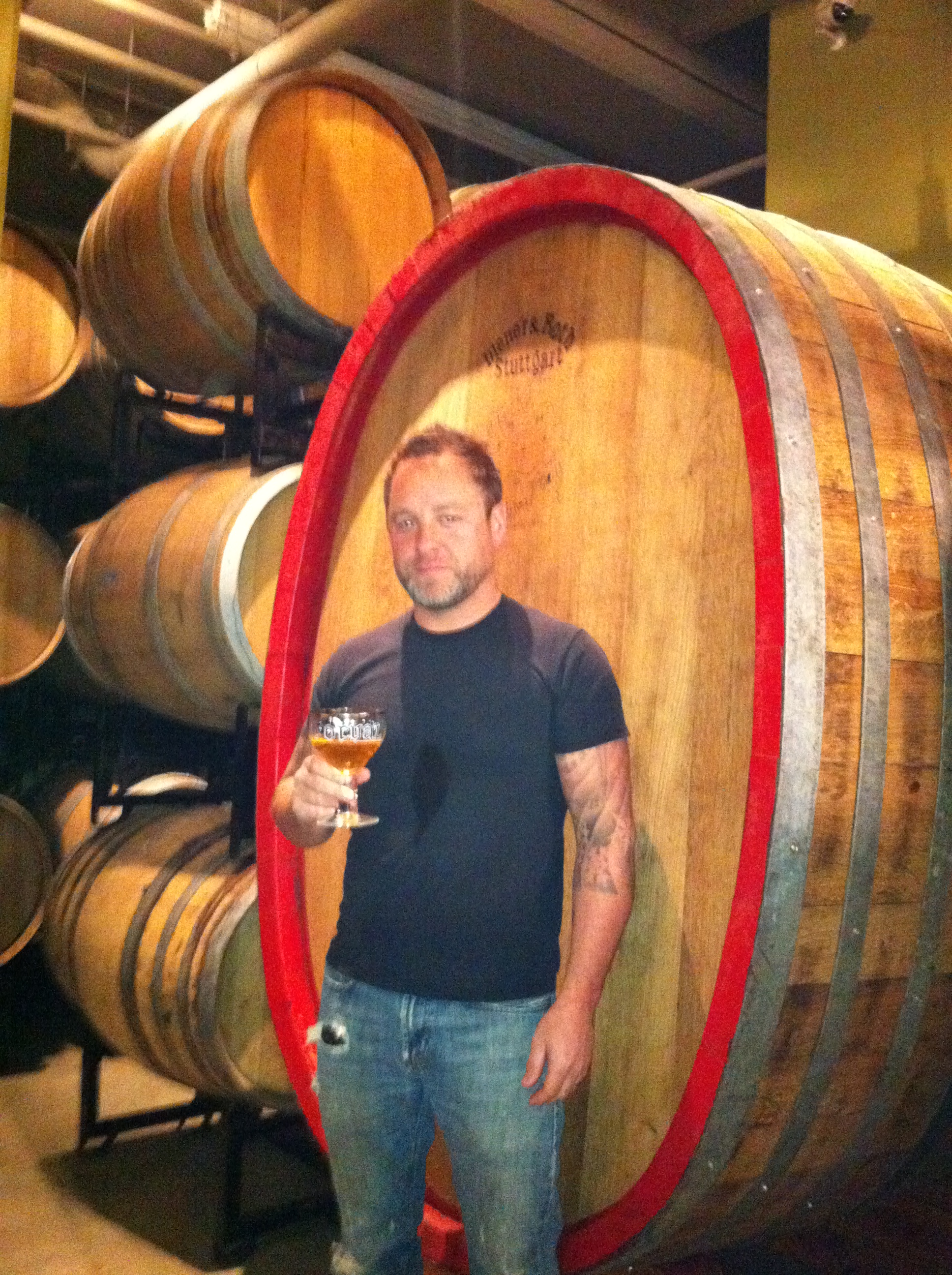
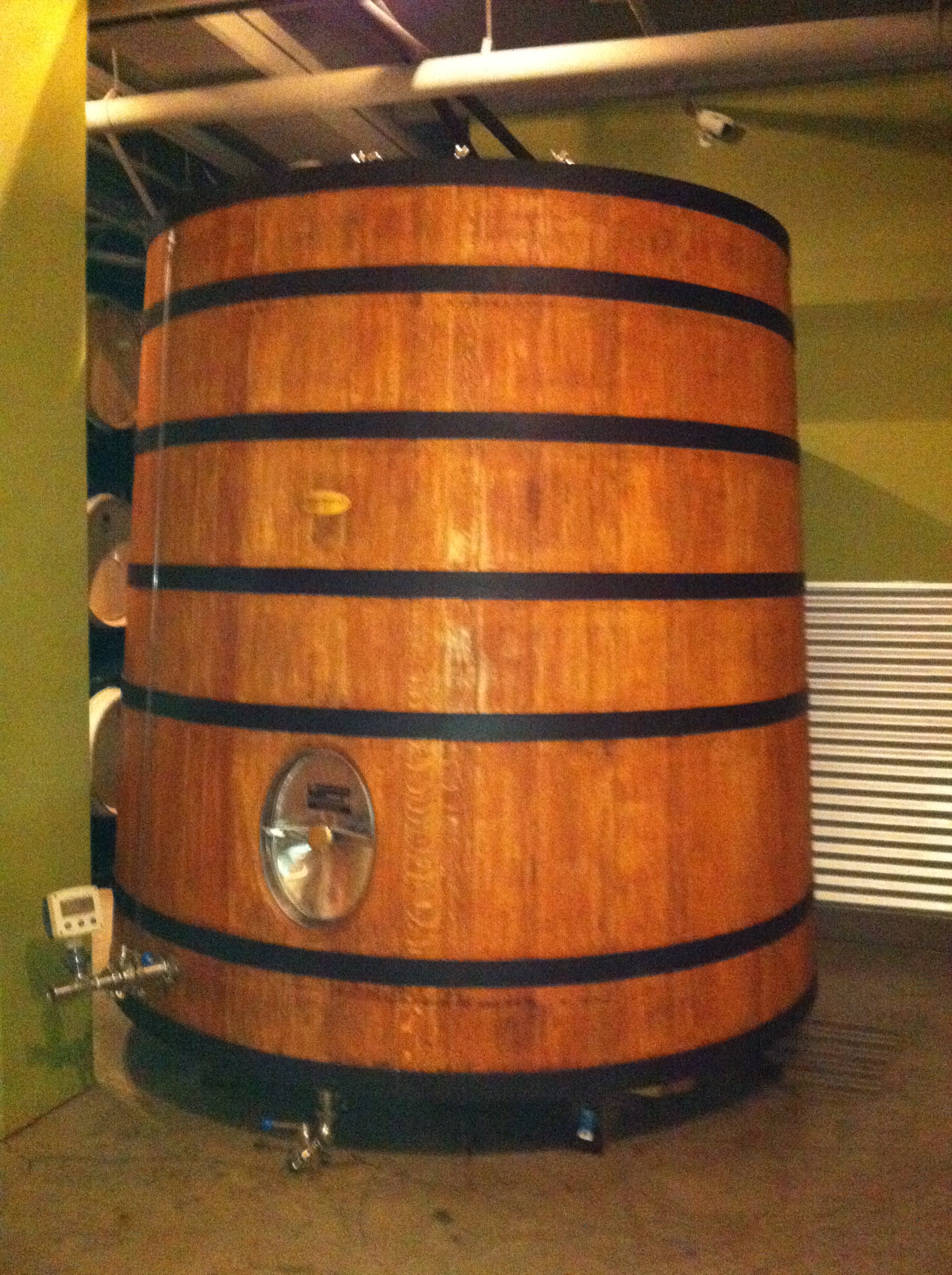 Gabe- Most of them have the “Brux” strain in them. My process is that I ferment in foudres. I’ve got French oak foudres that are 60 barrels. So I ferment right in those with some kind of Belgian strain depending on the beer. Then I’ll go into the barrels with the Brettanomyces because I like the way the secondary fermentation tastes in the barrels. From there it’s 6 months to a year depending on the beer. Then I’ll blend it into some stainless tanks, pitch another yeast culture and sugar. I’ll do anything from Brett to wine yeast, but again depending on the beer.
ETF- When you are going to transfer is there a certain point gravity wise you are looking for or is it separate beer dependant?
Gabe- It’s very separate beer dependent. Most of them are finishing out extremely dry, like .5-.8 plato… So they are finishing out with not much sugar even for the brett to use.
ETF- Your beers have only been in distribution around a year right?
Gabe- Not even a year yet. The first beer came out in June 2011.
ETF- So it’s even more impressive in that short amount of time Anchorage was named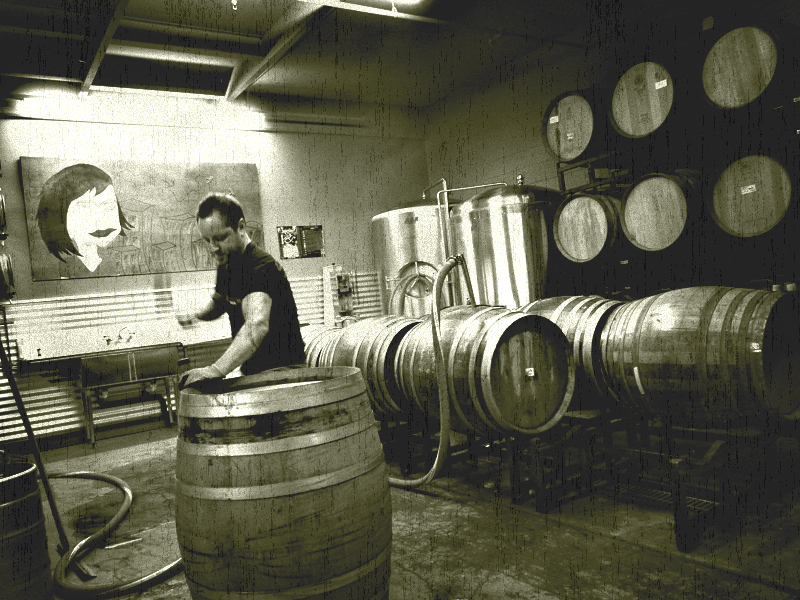 Best New Brewery In The World, I’ve seen a few Anchorage beers make “Best Of” lists and your beers are consistently rated 90-100 points. When you are seemingly hitting a home run with each beer how does that make you feel?
Gabe- Oh yeah it definitely makes me feel good and it’s nice. But I always take all the positives with a grain of salt you know. I’ve been doing this a long time so it’s not new to me, but the first time I’ve done those things on my own. I ran another brewery for 13 years (Midnight Sun Brewing Company) before this one. But it definitely feels good to have my own thing going on and have total control over everything.
 I don’t have any employees either so everything is just done by myself and some buddies that come down every once in a while to help while bottling or stuff like that. Definitely feels good to get those accolades especially this early in the game. That was kind of my goal from the beginning… there are a lot of breweries out there that have these beers that are just OK and they have this one awesome beer. My goal is to put everything I have into every beer I make so none of it comes out rushed.
ETF- Since you are the one running the ship and it’s pretty much all you, what beer are you most proud of so far?
Gabe- Honestly every one that’s come out I’m really proud of…I really am equally proud of all of them. There is one I’m really digging right now and it kind of came about as a last minute deal, but it came together so well called the Galaxy White IPA. That one was to replace the revenue of another beer I was doing which is a Belgian Black Ale aged in French oak pinot barrels with salmon berries and brettanomyces. At the last minute I wasn’t able to get the salmonberries. So I had aged this beer for 8 months and it was time to get the salmonberries and that fell through. I didn’t want to just release a black beer with brett and oak aged so I decided to sour that whole batch. I had to figure out a way revenue wise to come out with something in 3 months versus 8 months so I did the white beer. It allowed me to bring some extra revenue in and turned out really unique. So it looks like I’m going to be brewing it 4 times this year versus the once a year for the other ones. It was a blessing in disguise as far as my cash flow.
 ETF- Since you are going to brew it 4 times this year do you see it as one that could be a year round beer?
Gabe- No…I don’t commit to anything year round. I really don’t want to be locked into anything. The beer is ready when it’s ready, not just when the distributor wants it.
ETF- The sour Belgian Black Ale you mentioned… I assume that one is still going, but is there a possible release on it this year?
Gabe-Yeah probably by fall to early winter. That’s roughly when I think it will be released. I have a line up of full on sour beers I’ll be releasing.
ETF- That’s a great transition into my next question. What is the next brett or sour beer you are going to release?
Gabe- I just released a Saison that was bottled with brett. It was for a local festival called Fur Rendezvous that coincides with the Iditarod. So I made the official beer (Rondy Brew) for the festival. It’s a pretty basic Saison recipe that I bottle conditioned with brettanomyces and only got distributed in Alaska. Today I just got done bottling the White Out batch 2. That one will be released in another 3 weeks or so. It will have a national distribution.
Later this year I have a beer called Darkest Hour. It’s a Belgian Imperial Stout aged in whiskey and pinot barrels with brettanomyces.
ETF- Since I live around whiskey and bourbon country I gotta ask… who did you get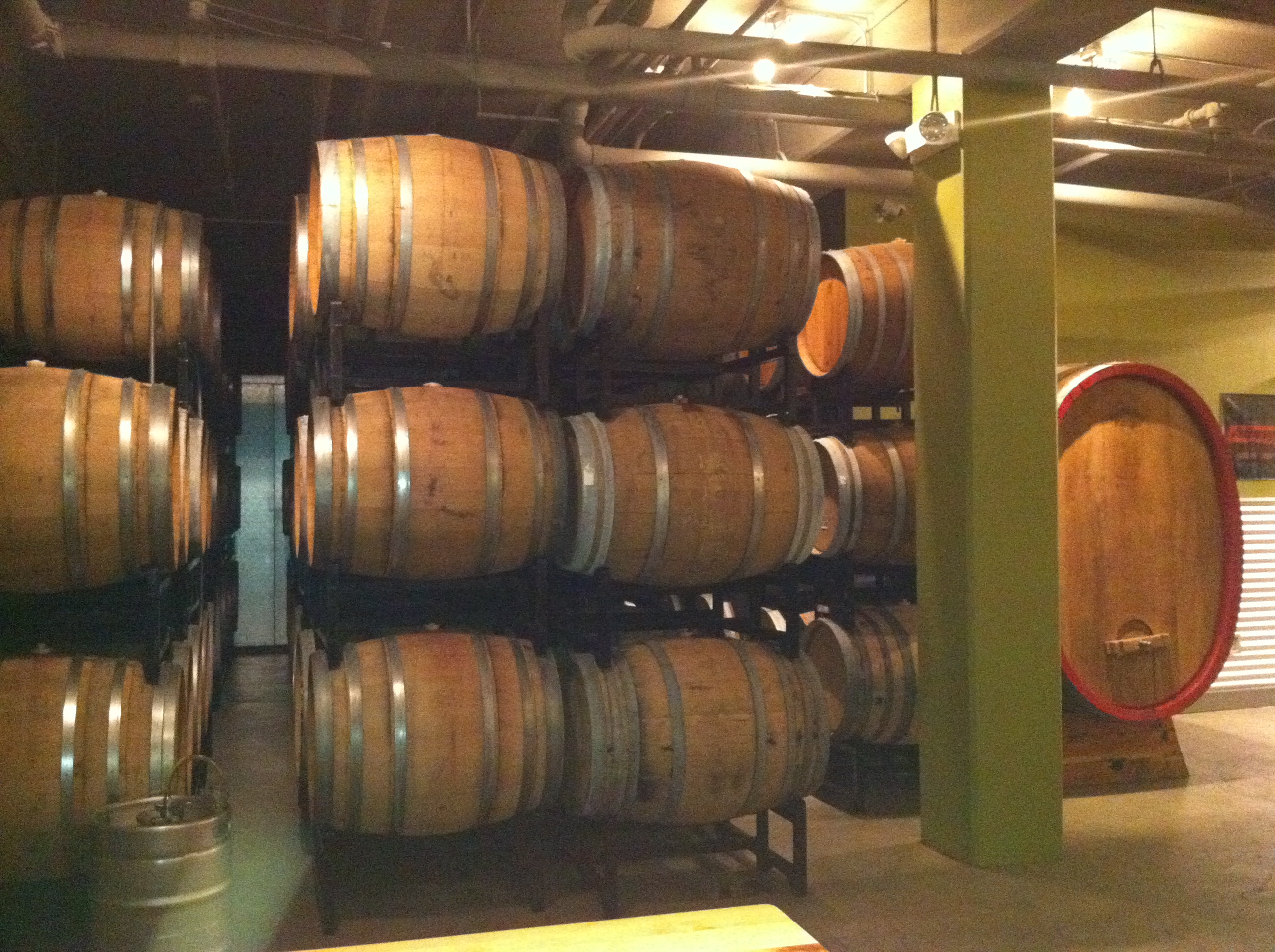 the whiskey barrels from?
Gabe- Some of them are Jack Daniels and a few are Heaven Hill.
Then I have another Belgian Stout I did in collaboration with another brewery called Gigantic Brewing Company. They’re a new brewery that opened up in Oregon by Ben Love who used to be the head brewer at Hopworks. He just started this brewery but he flew up here and we brewed this beer together. I got twenty 100 gallon cognac barrels that were shipped in directly from France and still had about 2 gallons of Cognac in them! They were built in 1962.
The base style is Belgian Imperial Stout and it will go into the Cognac barrels with the addition of brett for about 3 months. Then I’ll add the souring bacteria. Next fall I’ll add the salmonberries and let it go for another 4-5 months then it will be bottle conditioned.
I have another collaboration coming up. This one with Mikkeller. I don’t know exactly how it’s going to work yet but we are working on propping up wild yeast from Alaska and Denmark to do a dual fermentation with 2 wild yeasts from 2 different continents.
ETF- Wow that sounds like an awesome project! What’s the timeframe?
 Gabe- We will be doing it very soon, he just sent me his wild yeast and we have our wild yeast here. So we will be brewing it very soon. Also I’m doing a version of his Invasion IPA here. It will be fermented in wood with Saison yeast and bottle conditioned with brett. It will be out sometime in June.
ETF- What batch size are you planning for the wild yeast collaboration and will it see national distribution?
Gabe- Probably 900-1,000 cases, somewhere in there.
ETF- As we talked about a bit earlier you are brewing at Sleeping Lady. Talk a little about your set up there.
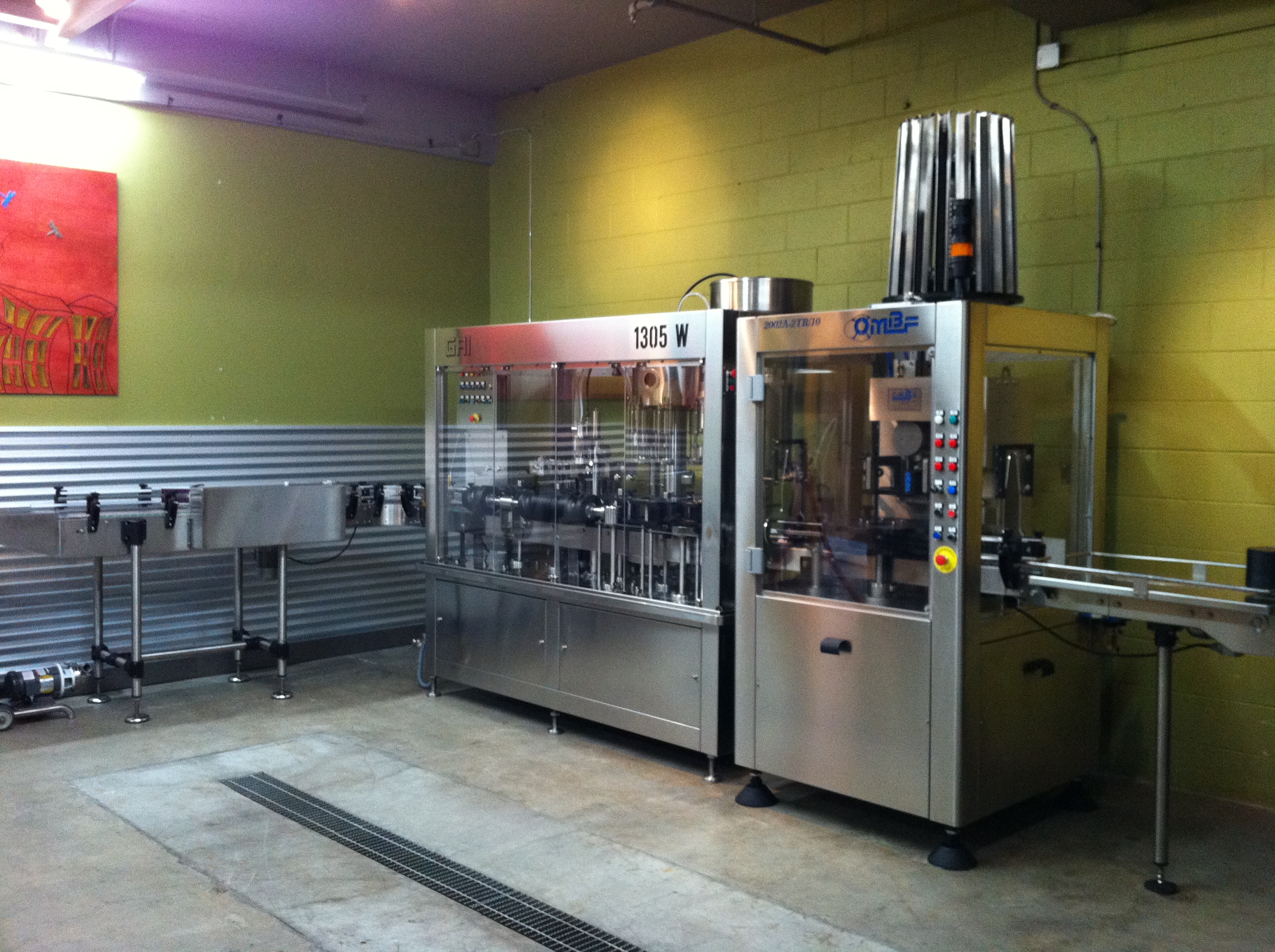
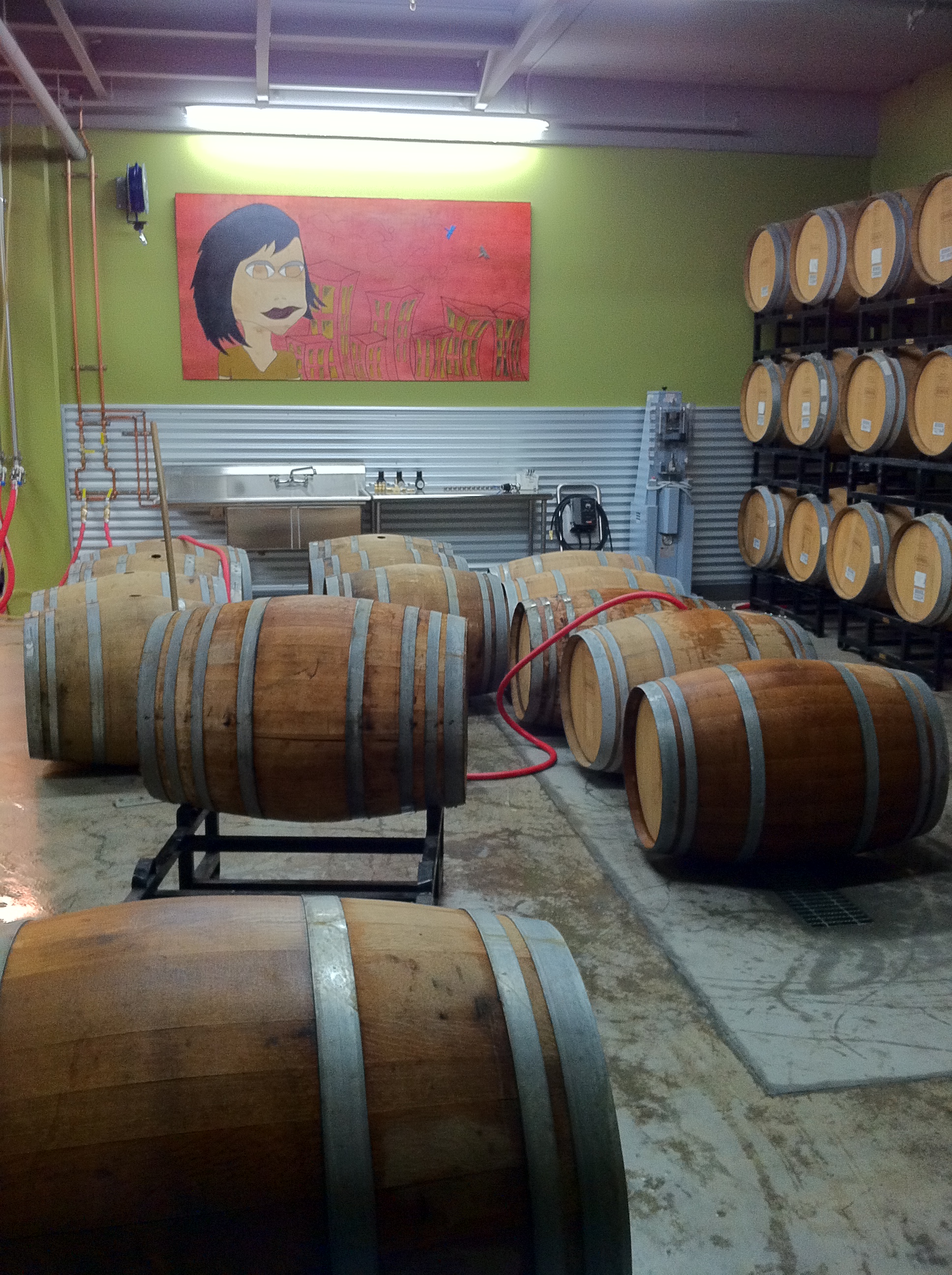
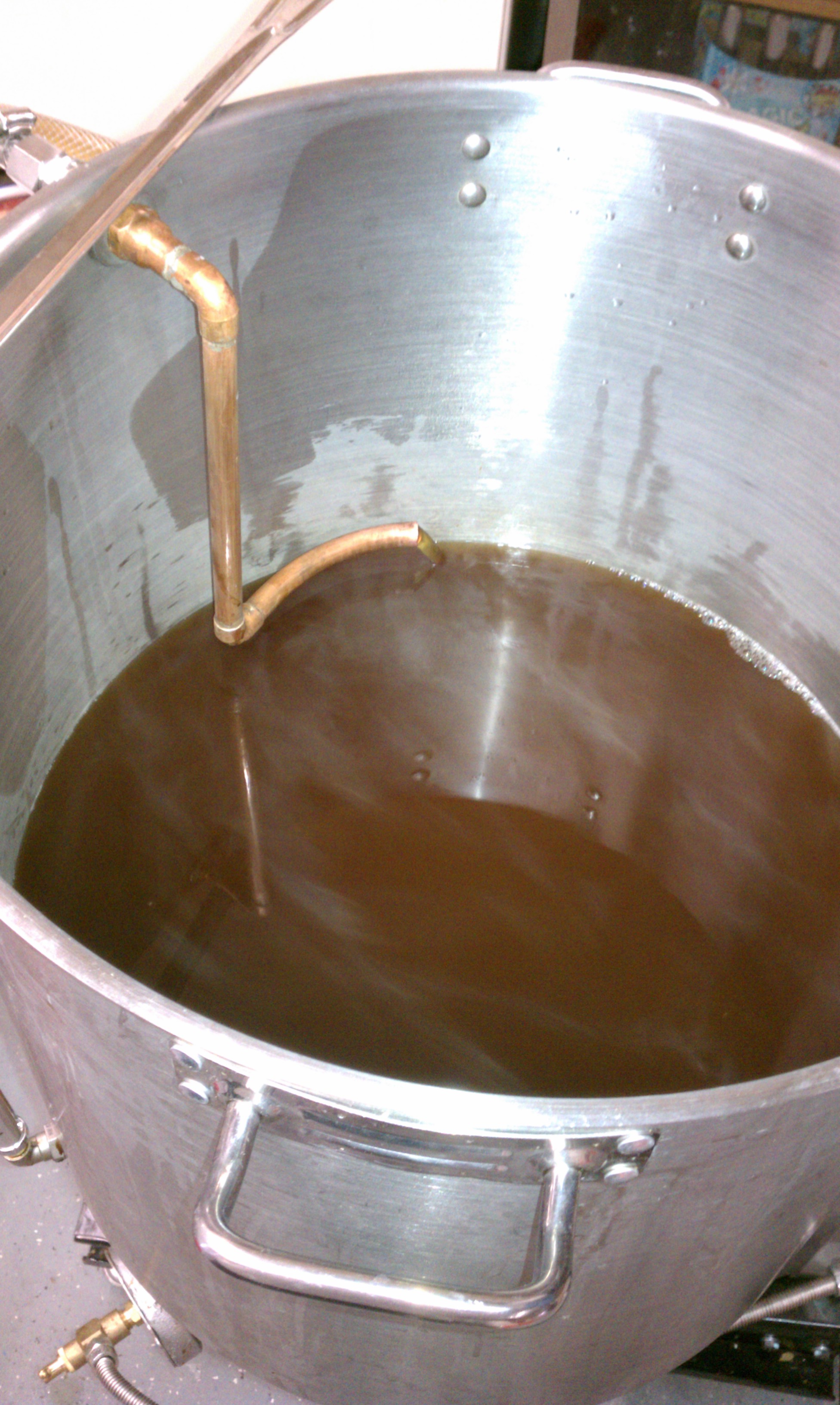
Gabe- Yeah basically I’m producing wort upstairs on their brewhouse and then it gets piped directly downstairs. I have my own space that’s about 3,500 square feet downstairs. In my space I have about 250 barrels, two 60 barrel foudres, a bottling line, 2 stainless tanks, grain storage, bottle conditioning storage…all that good stuff. So all I do is produce the wort upstairs and then it goes directly downstairs.
ETF- Are you pretty comfy there for a while or are you maybe eyeing any other locations to make a move?
Gabe- I’ll be here for a little while. I will in the future be getting my own spot, but my plan is to slowly build my inventory of equipment. Even as far as buying a brew house for cash and holding on to it. I just don’t want to go into big debt to open a brewery. It’s working out pretty good here and I’ve got my own space here so it’s good and I like it.
ETF- Have you thought about any sort of one off beer or cellar reserve membership program to help in raising capital?
Gabe- It would be cool, but I do OK here because I don’t have any employees. Also I’m doing 1,000-1,300 case batches so those are pretty good chunks that go out even though I only release every other month or so. The other thing is we cannot ship beer to individuals from Alaska.
ETF- What do you think is the biggest misconception about sour and wild beers?
Gabe- One big misconception is people think brett makes beer sour. When they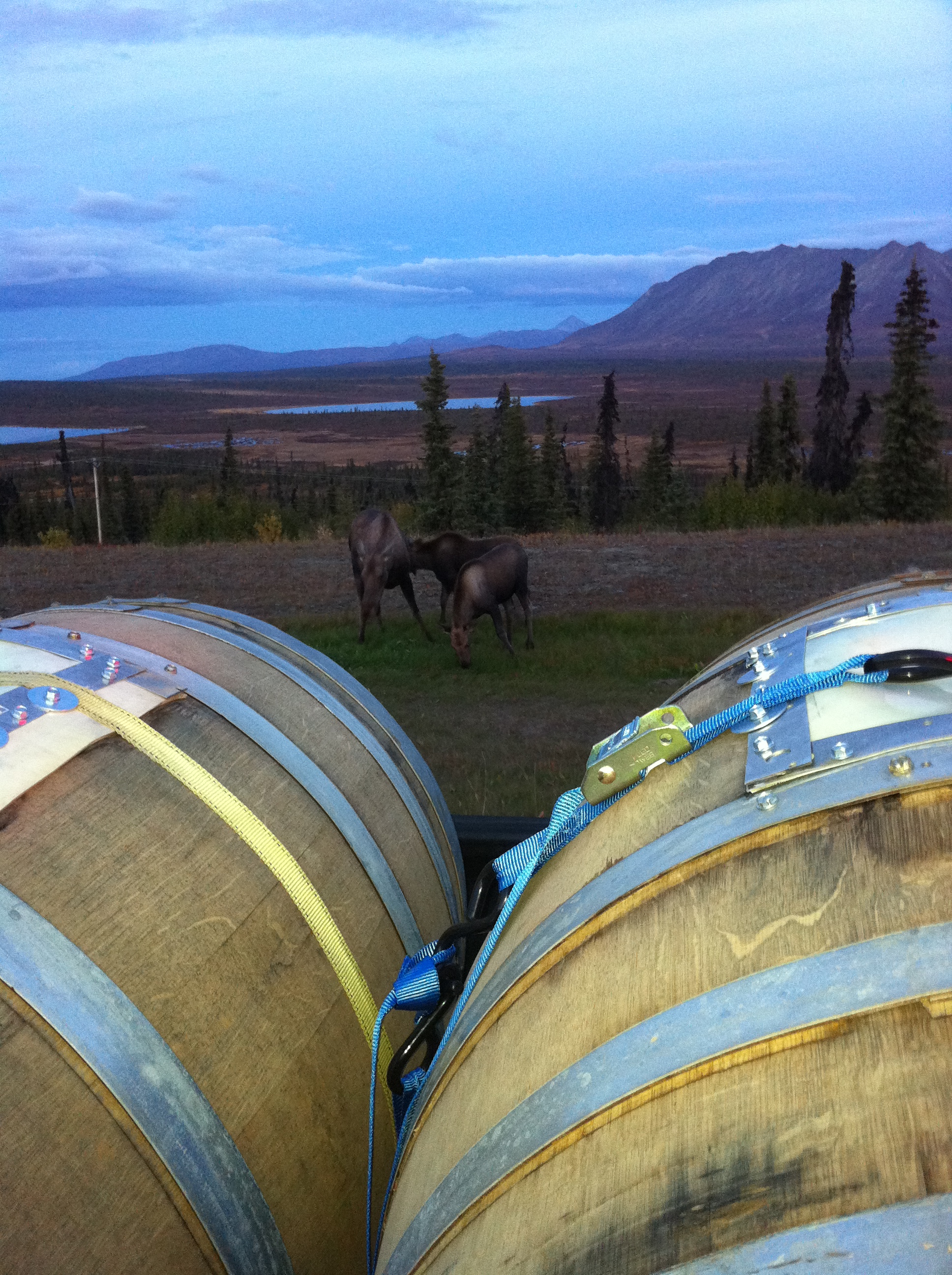 try a beer that’s just a brett based beer and doesn’t have lacto or pedio, I get “Oh it’s not sour enough.” Most people don’t realize for beers that have just brett in them they won’t have any sourness, they will have a little tartness but nowhere near what it would be with pedio or lacto added.
 ETF- Would you consider an all brett beer to be a “wild” beer?
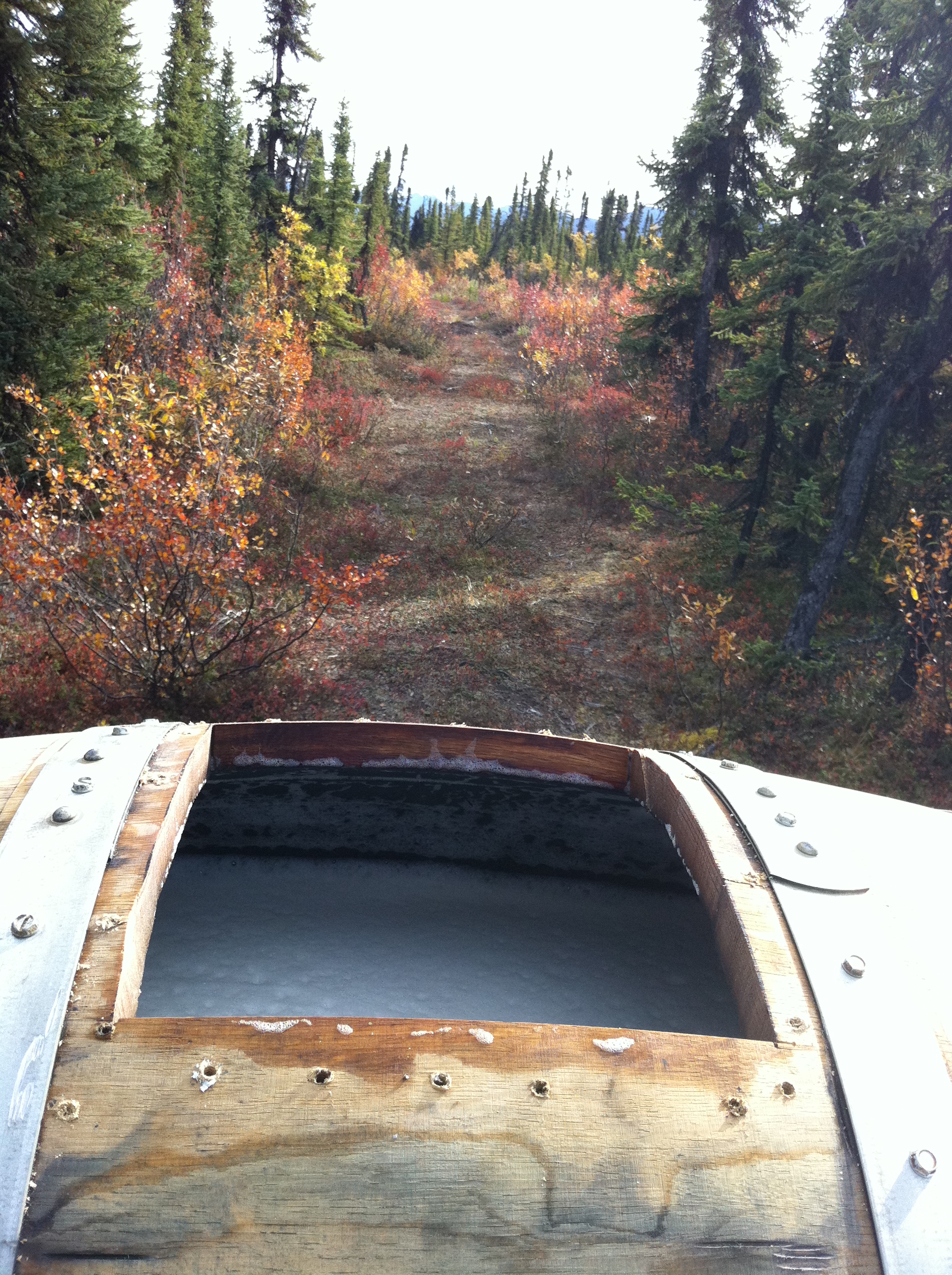
Gabe- Well I make wild beers too. I have beers I took out into the woods and opened them up to the wild. I took 2 barrels of wort, cut a big opening in the top (of the barrels). put them into the back of my truck and drove 5 hours north. I backed into a blueberry hill and left them there for 2 days. Now it’s fully fermented and tasting pretty good. Now that’s a wild ale to me.
ETF- Being adventurous like that is one of the coolest and most exciting things about these styles. So for the homebrewer reading this who wants to work on creating some great sour or all brett beers, what advice would you give?
Gabe- Well if they are doing all brett beers one thing I’ve noticed is the brett doesn’t seem to give off it’s full character until it’s bottle conditioned and under pressure. So I would make sure they bottle condition the beer and let it sit in the bottle for a good 6 weeks for it to develop that character. It will develop in the barrel but it just won’t come together the same without that bottle conditioning. I’d say too, don’t be scared of it, just go for it. It seems like more and more people are because they are aware of these types of beers and these beers are getting closer to the norm.
ETF- You’ve told me that your process is most important in brewing your beers. Would you be willing to share an Anchorage Brewing recipe and describe the process for the homebrewers?
Gabe- Sure, I’d be happy too.
8% abv 1.062OG
Boil 90min
5.7% White Wheat
5.7% C-60
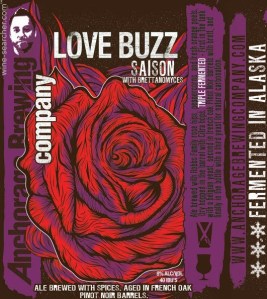
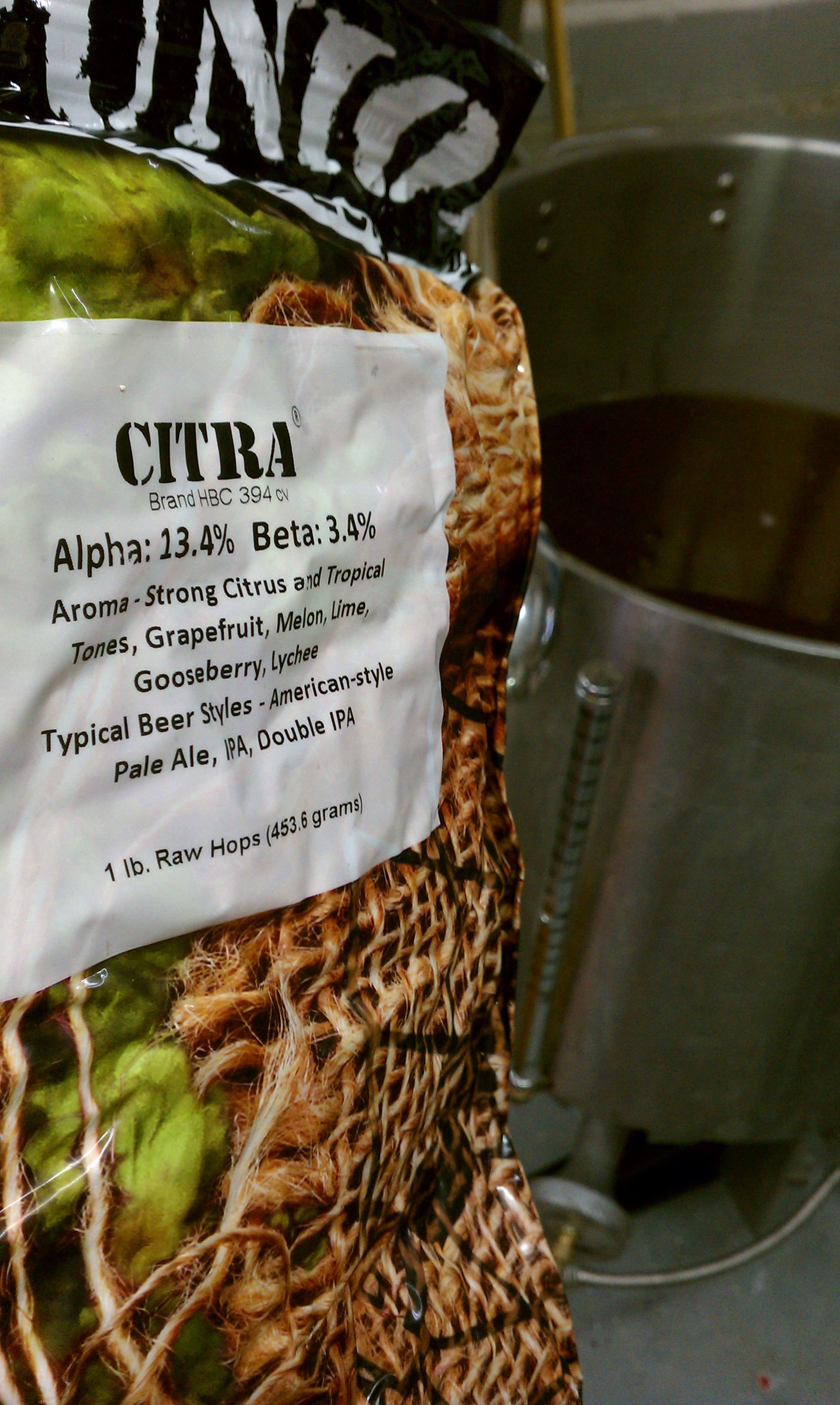
38.4% Citra 0
Black pepper corn 1 gram per 5 gal
Fresh Orange Peel 3.5 grams per 5gal Fresh Rosehips 3.5 grams per 5 gal
(all spices end of boil)
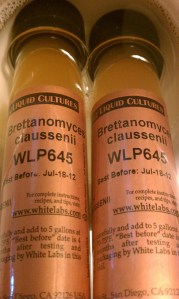
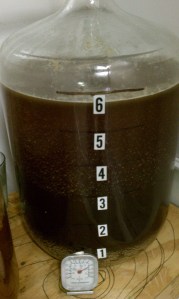
Add Brett Brux and let ferment again for 6 to 8 months warm.



 Embrace The Funk