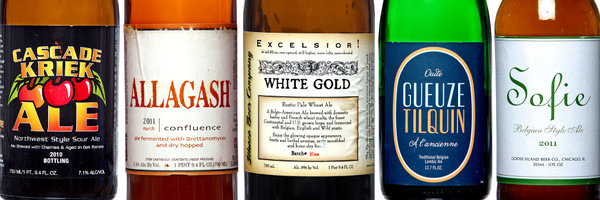
Nice to see sour and wild beers getting more attention….
Sour, Funky and Wild Beer

This is the time of year when many people tend to be more generous and spending more time together celebrating a holiday or just celebrating the year. In many cases this means opening up that special bottle of beer in your cellar or spending a few extra bucks on a bottle you wouldn’t normally buy. That special bottle of beer brings out your nice glassware to make the occasion even more memorable.
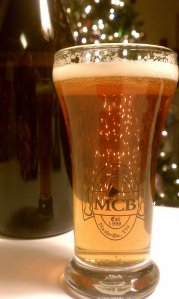
You’ve moved the bottle very carefully so as not to disturb the sediment, gently gave those special glasses you cleaned after the last use a quick rinse, a towel dry of the glass before company comes over, the beer is now at the proper serving temp and its a perfect tasting setup right? Not quite….let’s back up a few steps. One of the most overlooked parts of enjoying a fine ale is making sure the glassware is truly clean, as in “Beer Clean”.
As brewers, we know to be clean and sanitary during brewing, fermentation, and packaging but it seems too many times the clean stops there. Most people I know and many resturants have the same procedure when cleaning up the kitchen after a meal. The glasses on the top rack of the dishwasher, forks and spoons in the
caddy, plates and bowls on the bottom, then some dishwasher detergent and press start. An hour or so later its all clean right? Sorta.
When your prized glassware is washed in the dishwasher or in the sink along with the plates and forks from that great lasagna you just ate, the fats, creams, and other compounds in the food are in contact with your glassware. Most of those compounds are removed during the wash and rinse cycle, but it is inevitable that there will be some left clinging to the glass. These compounds can do two major things to that glass of beer.
First would be taste/aroma. As an example most plastics will absorb the properties of the food or liquid that was in the container. If you have ever left ravioli or lasagna in a Gladware container for a couple of days you know what I am talking about. Those flavors and aromas can find their way into your beer even if you are drinking out of glass. Those small particles that can be too small for the eye to see, can show up big time while drinking a beer from glass.
Second would be head retention and lacing. Items such as fats/oils from a steak and even “Jet Dry” are head killers. Many beers such as a Hefeweizen or Saisons should have a nice tall thick head while others may have a very dense head and provide beautiful lacing inside the glass as you drink it. Brewers work very hard in the brewing process to accomplish this only to have it destroyed by some fatty deposits left on the glass.
Worth mentioning too is the heating and cooling from an automatic dishwasher can especially make thinner more delicate glassware more brittle.
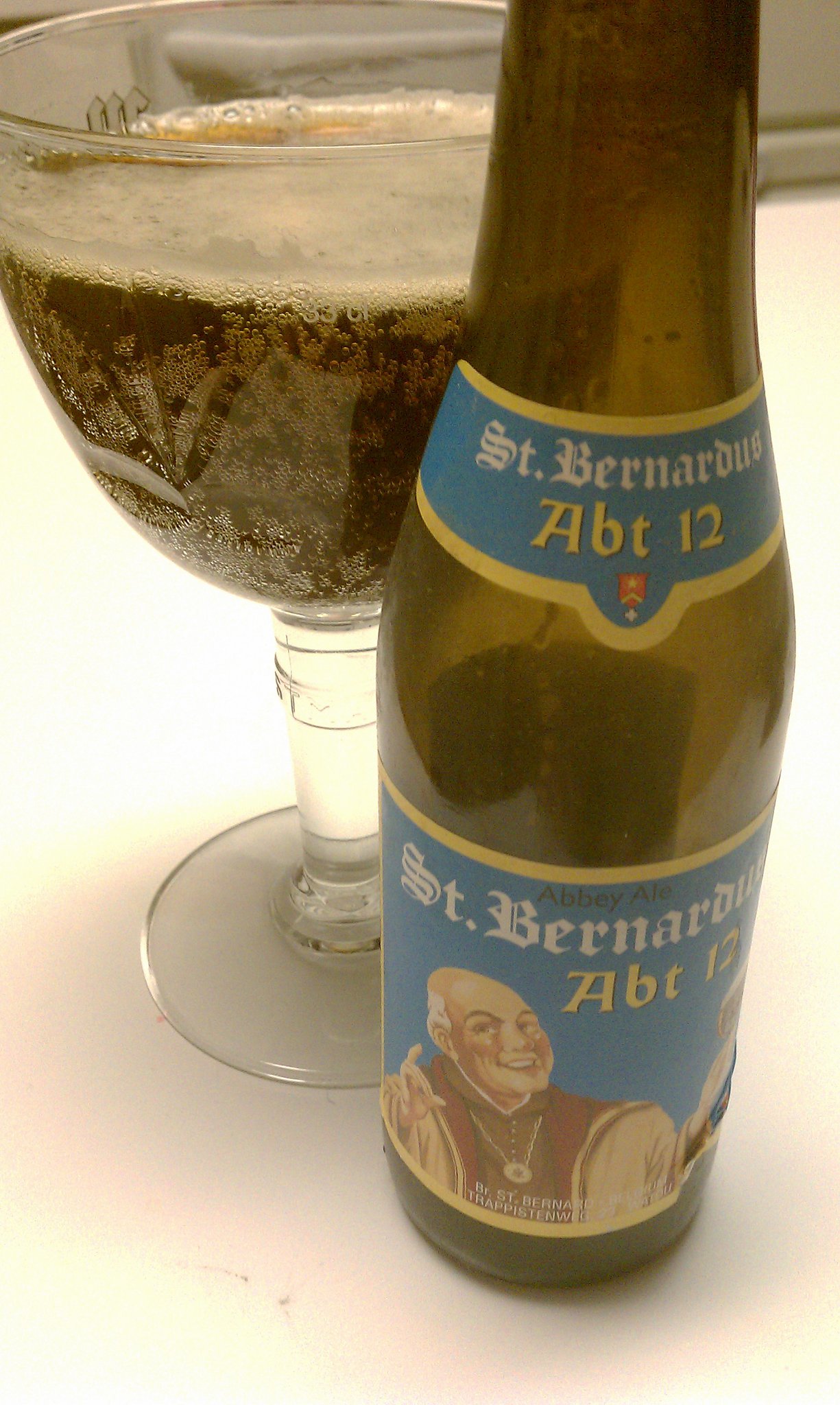
There really is nothing special you need to buy in order to make your glassware beer clean. In fact you probably have exactly what you need in the cupboard.
The first 2 steps: NEVER drink anything else but beer from your beer glasses and skip the automatic dishwasher. Now I’ll get the “Thanks Captain Obvious Award” with this next one but if I didn’t mention it… well….use clean water and a clean blush or sponge. Ok now what to use as a cleaner? For my money baking soda is the best glass cleaner. There are commercial beer glass cleaners available, but they tend to be pricey. Other than some hard water buffers and small total percentages of salt acids they are basically a variant of/are sodium bicarbonate which is the same baking baking soda you already have. In a busy bar or cafe I’m sure these would be useful, but in our setting I just don’t see the value.

Most of the time I only have about 4 glasses to clean so I’ll use around 1 tablespoon baking soda in a half gallon of water (adjust as needed). Make sure to pay attention to the rim where there maybe an engraved designed
or a turned glass lip. Oils, petroleums and lipsticks just love to cling to those spaces. Rinse the glass with clean water and allow it to air dry with the lip facing down. You can pick up a plastic dish drying rack for under $5 at most kitchen stores. Ideally a micro fiber drying towel would be best to dry the glassware with. Putting your clean glasses flat on a towel to dry might cause condensation, which could dry and cause nucleation points in the glass. So whatever you use, just make sure air can circulate around the glass.
While this isn’t the most exciting post of all time, I did think a clean glass “PSA” of sorts would be in order this time of year. Sharing a 5 year old Lambic with that friend you haven’t seen in 2 years should be a special occasion and to enjoy that beer to the fullest extent sometimes we need to remember the basics. Cheers!
2 weekends ago was the 16th Annual Music City Brewoff competition. It was a great weekend, if you have never been…. think about it for next year. It’s a weekend where homebrewers from all over come to Nashville and take over the hotel convention space.
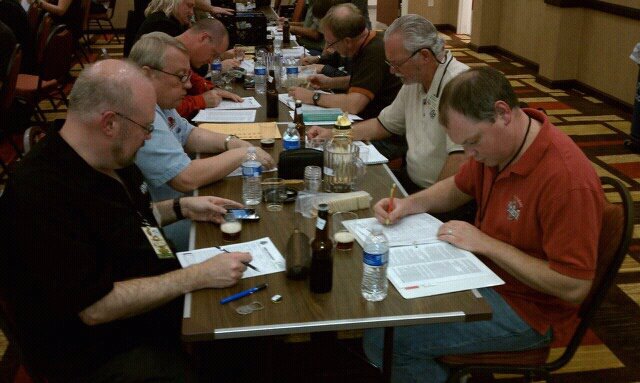
Friday typically has a judging session in the early afternoon for BJCP judges who want to get the most points for the weekend. Later there is a catered dinner with a great guest speaker, this year it was BJCP President Gordon Strong speaking on “Brewing Better Beer” (previous 3 years guests 2008-Jamil Zanisheff, 2009-John Palmer, 2010-Dave Miller). This year everyone who bought a ticket to the dinner also got MCBO snifter. I brewed the commemorative beer for this year so they also got their choice of a 750ml bottle of Traditional Belgian Dubbel or (and I know this won’t shock anyone) the same recipe, but funked…A majority of people chose the soured version. I was happy to see people embracing the funk! Post dinner is a relaxing evening hanging out with other brewers and having a few beers. I was happy to see all the people who would be judging kept their pallets in check that night for the next morning.

Saturday is the bulk of the judging with the awards ceremony and raffle in the early evening followed by an awesome homebrewer club crawl in the convention space. Clubs from other states bring their tap systems and have a mini-NHC of sorts. 60-70 different beers along with all the local breweries being represented. Oh and the prizes and raffle are great! I saw 4 different kinds of new malt mills, cases of beers, 750ml beers, taps, tons of Candi Syrups, a complete set of stainless steel QD’s for your brewery and even a Sierra Nevada quilt and more. Anyway it is a great weekend and something to put on your calendar for next year.
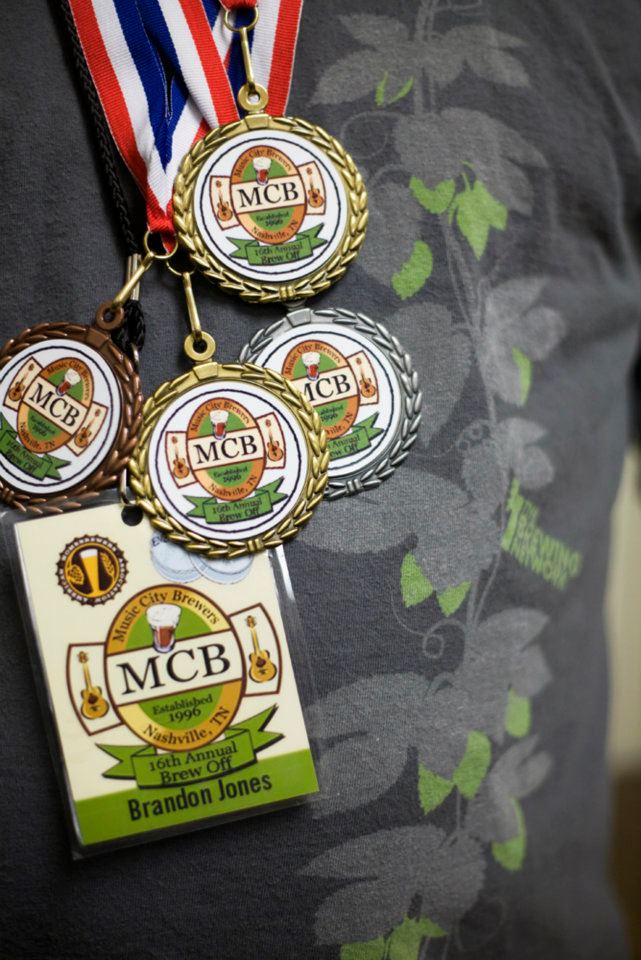 So where is the sour in all this?!?! Well as the title of this entry suggests winning doesn’t suck (something Gordon said during the weekend). I’m proud to say I had my best sour beer winning streak yet! In addition to winning medals in a few categories I also had the privilege to taste a bunch of commercial sours I haven’t had access to along with some great homebrews too!
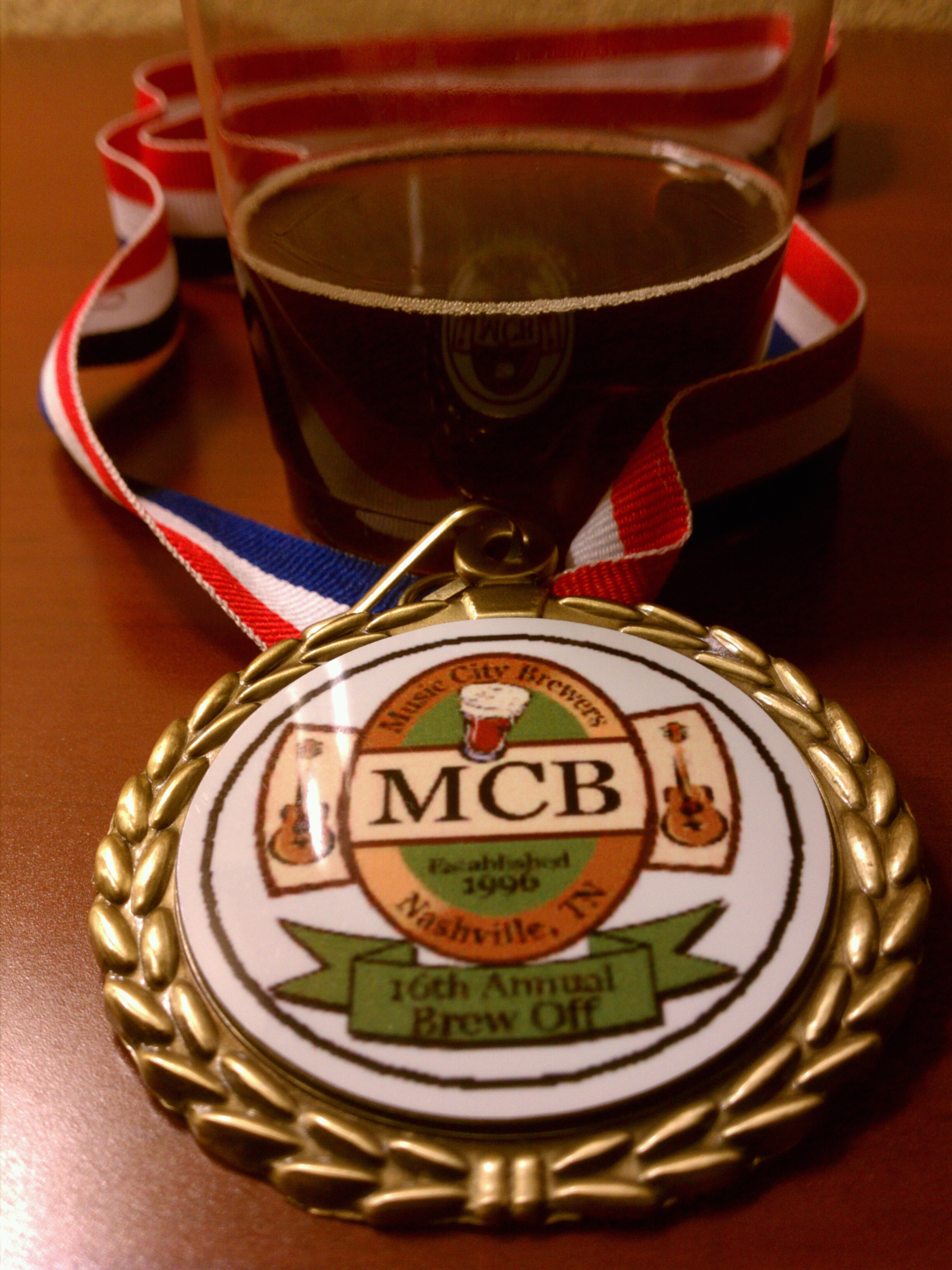
1st Place in Sour Ales, 4th place Best of Show HM- “Hello, My Name Is Flanders” (Flanders Red)

2nd Place in Sour Ales, “F#*k your Dumb Wheat Beer” (Berliner Weisse) This is the same recipe that took a 2nd place during the NHC regional. I also have to brag on my buddy Tom Gentry who scored 3rd place in sours for his Berliner Weisse!
1st place Wood Aged- “Oaked Up Lil Nugget” (Old Ale with Brett Lambicus) I wrote about this batch here. And finally I had 1 non sour beer win….3rd place Fruit Beer “Purple Drank” (Abbey Brown with Cherries).
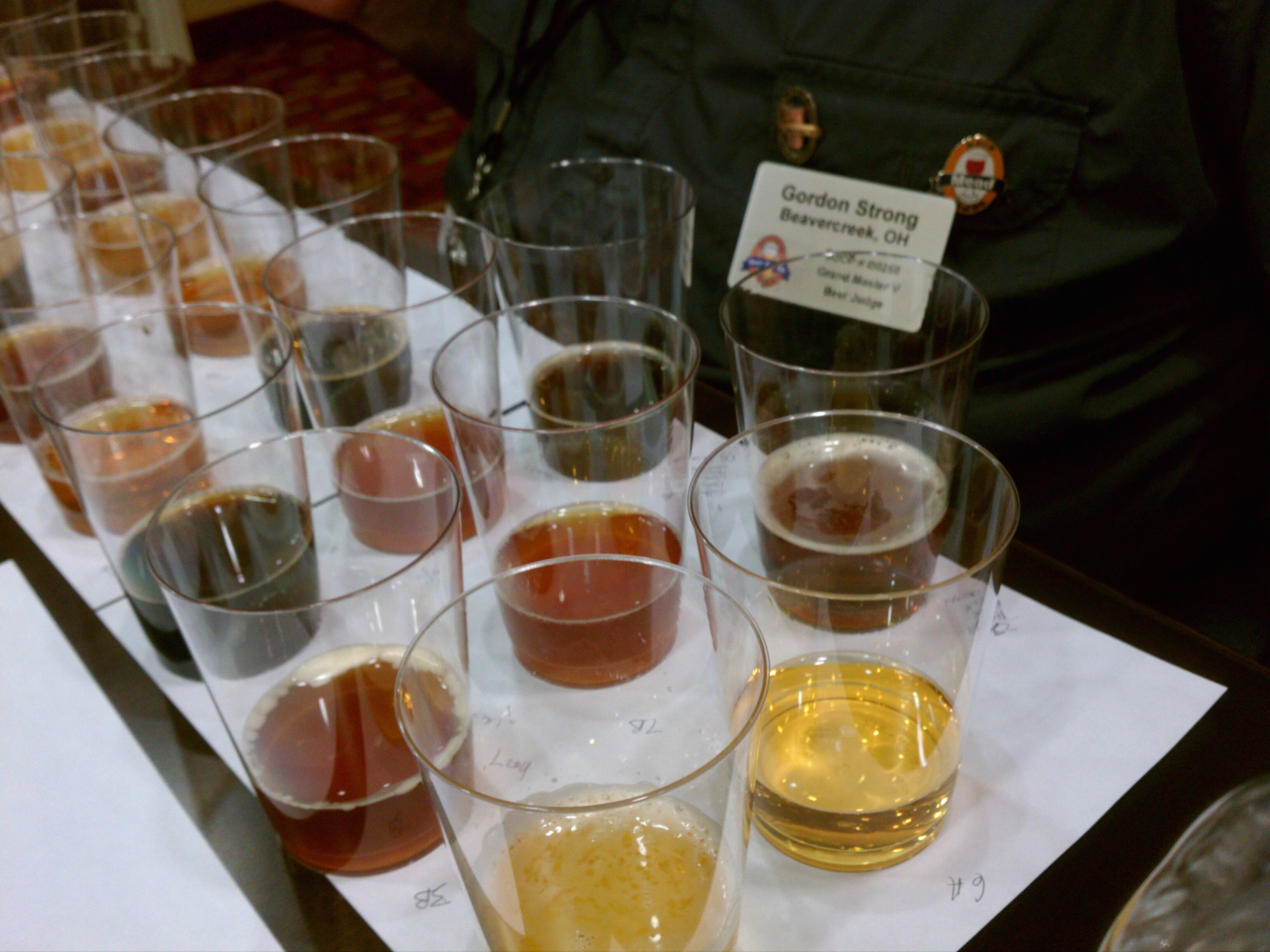
I’m pretty excited about the results. I also got some great feedback on 2 of my beers that scored good but I’m hoping will come around in another few months. As far as actual results go, my lowest score was 31 so I’ll take that! A great weekend meeting new people who share my same passion for quality beer and fun!
Hi everyone! Sorry I have been out of pocket for a few weeks. I have been busy working on my club’s annual competition and a few other “beery” things. I recently purchased a microscope and have the ability to take pictures of various funky things so stay tuned for that.

*I am not sure why the formatting is off. I removed some of the pictures and this post is still looking weird. I apologize.
Ok on to the good stuff. I’m happy to bring you this interview with Tomme Arthur from The Lost Abbey/Port Brewing in San Marcos, CA. I will admit I haven’t had the opportunity to taste alot of their great sour line up, but the ones I have tasted were great beers. Red Poppy is one of my favorites though. I hope to try it again one day soon!
ETF-What was the first sour beer you tried and really loved? Any good memories attached to that beer?
Tomme-My first sour beer experience was Rodenbach Grand Cru. To say it was an epiphany would be putting it mildly. I grew up on domestic beer and didn’t know there was a “world” of beer out there. Belgian Beers became a fascination for me after tasting Rodenbach for the first time.
ETF-What do you think is a good gateway beer to introduce someone to the sour/wild category of beers?
Tomme-These days, it appears that Duchesse or Petrus Aged Pale would be a great place to start in terms of widely available beers. New Belgium Lips of Faith are out there as well.
ETF-Since The Lost Abbey opened in 2006 what would you say is the best accomplishment so far?
Tomme- There are so many things that I am proud of. Winning Small Brewery of the Year at both the 2007 Great American Beer Festival and 2008 World Beer Cup certainly plots high on that list.
ETF-The Lost Abbey is known as a world class brewery and you seem to have a little something cool up your sleeve to keep that reputation up. Can you give us the scoop or any insight on what the next new sour release will be?
Tomme-We’re working on 12 new small bottle runs for our tasting room. One new beer to be released each month next year. Details to follow in December with an official press release.
ETF-What do you think is the biggest misconception about sour beers?
Tomme-That the more sour they are the better. This is completely false. Finesse and nuance are the key to a great sour beer experience.
ETF-Your beers are unique and complex…When you are designing a recipe what are some things that inspire the ingredients and process for the beer?
Tomme-I would say the biggest thing we do is work within a realm where beer can be thought of as food. With this in mind, inspiration can be found in so many places. Many of our beers are not designed as 3 pint beers. Rather, they are designed to enhance or create new sensory experiences with or without food accompaniments.
ETF-For home brewers just starting down the sour brewing road, what would your best two pieces of advice be for them to be successful in sour/wild yeast brewing?
Tomme- I’d say the single biggest thing is to become familiar with the process and flavors that result from working with finicky critters. Not everything about making sour beers is a mystery. But that being said, there is still some serious Voodoo going on. Learning how to work within this Black Magic world is where you’ll find success.
Many of our beers are not designed as 3 pint beers. Rather, they are designed to enhance or create new sensory experiences

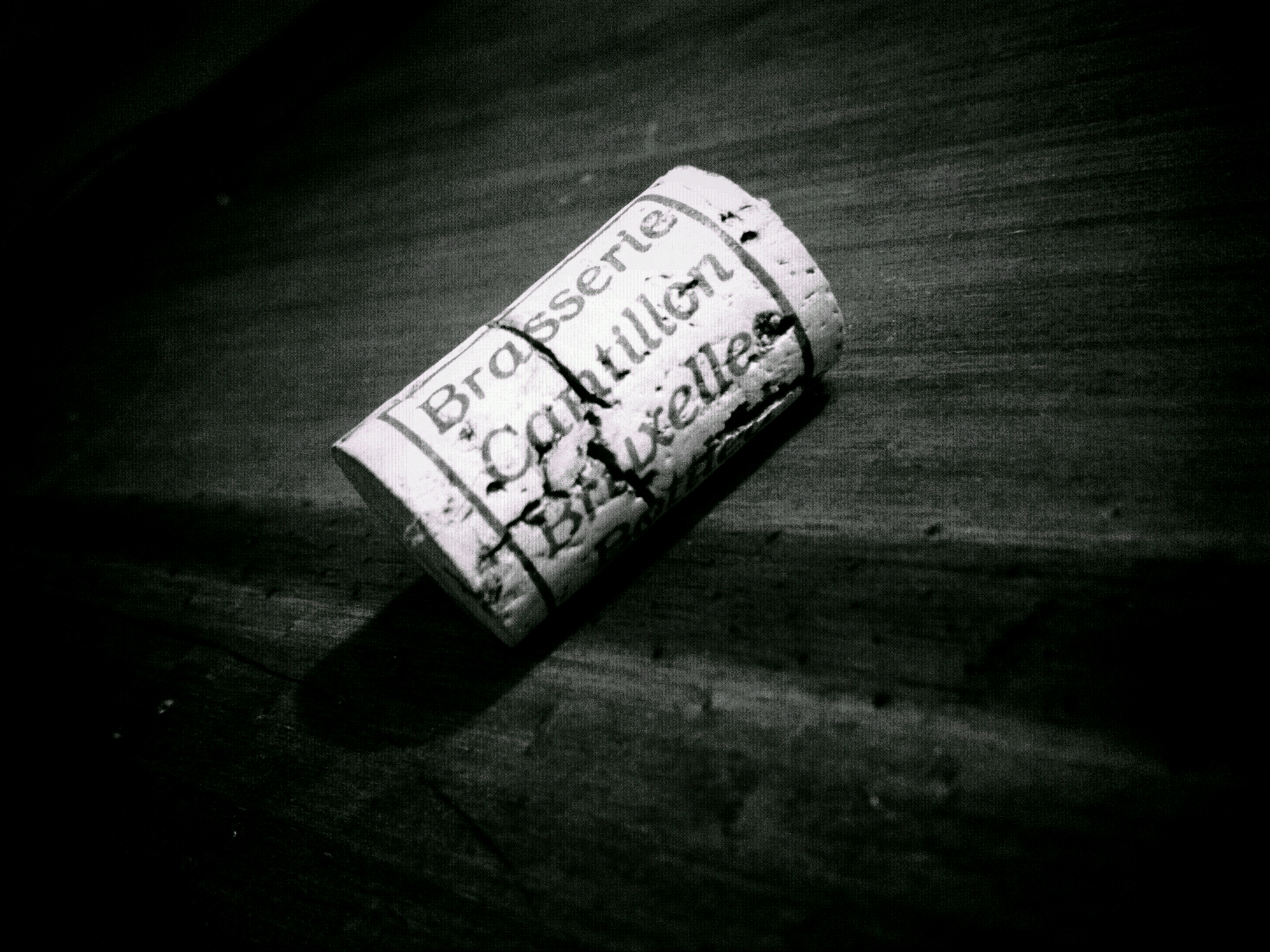
Throughout my years brewing beer and buying commercial beers I have seen a number of debates on what it best for a bottle of beer. Temps, color of the bottle, corks, caps etc… Most of those have a majority and minority camp, but one that seems to be split down the middle is “Should a corked bottle of beer be cellared laying down or sitting up?” I’ve seen some friendly conversations on this topic turn from …well friendly debate into a pretty heated argument.
I wanted to see exactly what some of the pros had to say on this topic. I proposed a few simple questions to each of them and below are their responses.
 Embrace The Funk