• Madame Rose is a crimson colored Belgian style brown ale fermented with wild yeast and aged on cherries in wine barrels. Layers of malty complexity, sour cherry, spice and wood notes make Madame Rose an ideal beer to suggest to Bordeaux enthusiasts and beer drinkers fond of Belgian Kriek and Flanders Brown Ales.

    It’s no secret that my favorite sour beers tend to be sour browns. From the drier American Style Sour Brown to the classic slightly malt driven Oud Bruin I find myself enjoying these most of all. For my tastes I can usually find a sour brown that is either more “funk” forward or one that has just enough acidity to let me know it’s there to go with most meals. Madame Rose seems to fall in the middle of styles and “funk” for me, but this is no middle of the road beer…

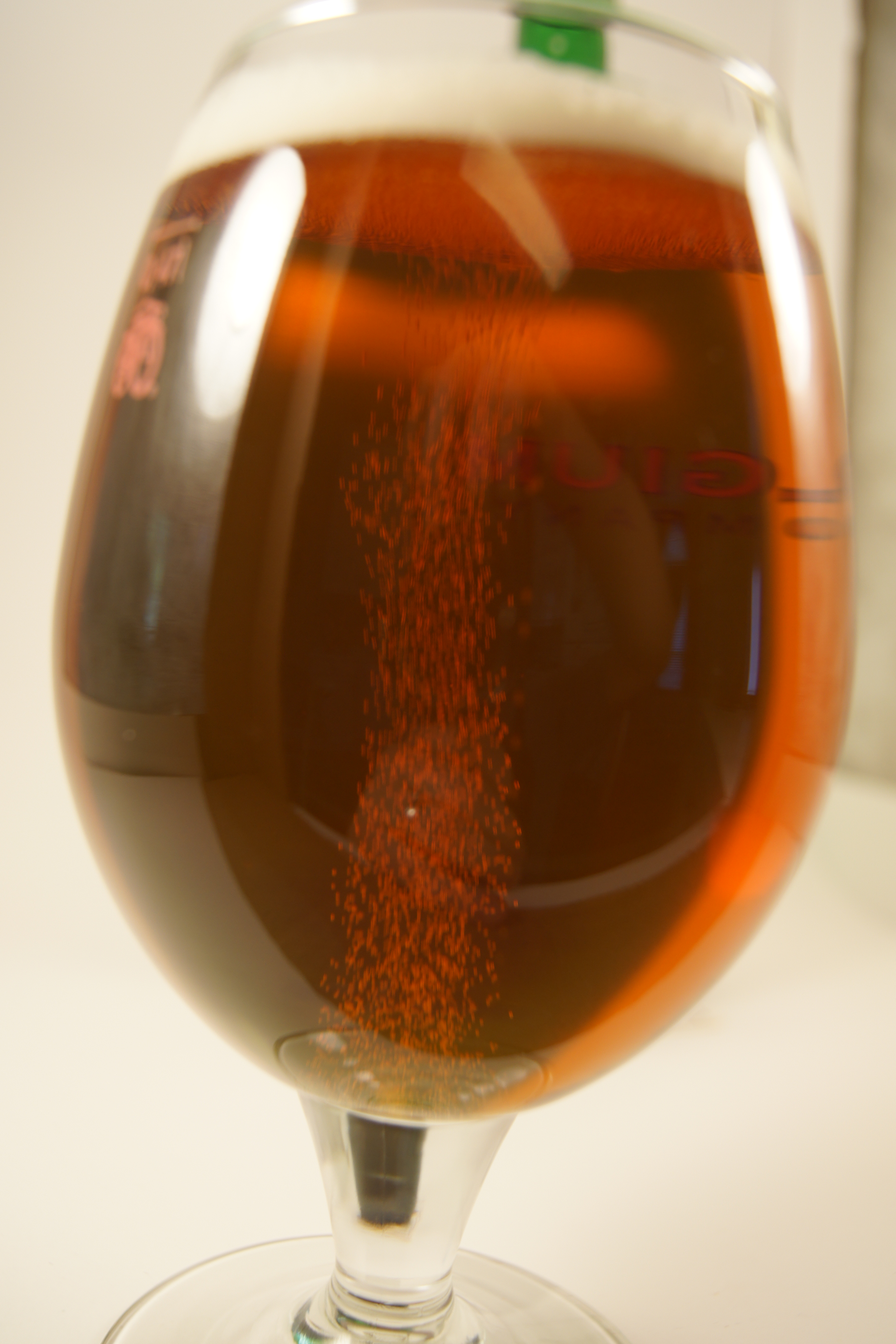
    Appearance– Pours a hazy and murky copper-bronze. A little bit lighter than the color of a standard brown beer bottle. A thin off white/light khaki colored head that for the most part fades fairly quickly. A small bit of head creates a circle in the glass around the edge that stays on and provides a slight lacing during the drink.

    Aroma– Malt sweetness and cherries are the first aromas I notice. Light vinegar and lactic sourness followed by hints of oaky vanilla. A slight breadiness on the nose.

    Taste– Upfront on the taste is cherry and a perfect amount of subtle malt sweetness. The Brett flavor works well with those 2 providing an almost brown sugar flavor (not brown sugar sweetness). Near the end I pick up an acidic red wine/sherry flavor. Not really the flavor I would get from an oxidized beer, but a true wine/sherry flavor. A vinegar and oak finish rounds out the sip.

    .

    Overall– This is the first beer (besides my own) that reminds me of the old Liefmans Goudenband spirit. This beer is full of great balance. Even though there are tastes and aromas that come out first, Goose Island has done a fantastic job of keeping them all in check. There is not really one of the major components that vastly overshadows another. Usually I like to cellar a beer for sometime, but I believe this is one that you drink shortly after the release. The balance is so perfect, I think cellaring would turn a fantastic beer into just a good beer. To sum it up, this is an awesome beer that is very easy drinking, but somehow remains complex. I would recommend this beer to a novice or an experienced craft beer lover.

    Recipe information per Goose Island

    Alcohol by Volume: 6.5%
    International Bitterness Units: 25
    Color: Deep Crimson
    Hops: Fuggles
    Malt: 2-Row, Caramel, Wheat, Dark Chocolate, Victory

  • Wow. 2 very cool things have happened in the past day. First the website in just a bit over two months passed the 6,000 unique views mark! A big thanks to everyone for giving the site a chance and supporting it.

    Secondly I got the chance to interview someone I never thought I would have the opportunity to speak with: Jean-Pierre Van Roy, the master of everything Lambic and Gueuze. I really appreciate him taking time out of his busy schedule to do the interview. As many of you know Cantillon does not brew year round. They have a brewing “season” where they produce their maximum amount and that’s it for the year. The proper blend of “bugs” in the air for the spontaneous fermentation and the temperatures for cooling only occur approximately late September-late April. As Cantillon prepares for their brewing season raise a glass to them for all their efforts!

    Cantillon Lambic (Photo courtesy Ryan Carrick)

    ETF-What would be the best Cantillon beer to introduce someone to who has never had a sour?
    JVR-Probably one of the two Cantillon bitter, Cuvée Saint-Gilloise or Iris. Those beers are balanced sour-bitter and even if bitterness is also a difficult taste for the common customer, it’s easier for someone who want to begin with Lambic.


    Cantillon Barrels and grain (courtesy Ryan Carrick)

    ETF-Are there any plans to renovate space around the brewery or expand the brewery at Cantillon to produce more beers?
    JVR-Actually not. (The brewery and Gueuze Museum sit in an area of Brussels with buildings all around, making expansion nearly impossible)

    ETF-Since your beers are so well loved in the USA and Cantillon is brewing the maximum amount you can, in order to keep up with some of the demand will you be able to move around inventory and ship more bottles to the USA this year?
    JVR-We renovate a attic last year and we had the possibility to make some more brews last season thanks to this new space, the goal is to send a bit more beer to US. We will reach 1700-1800Hl (1500 barrels?) this year. 

    ETF-Will Cantillon be releasing any new beers or brewing anything different this year?
    JVR- Like each year, Zwanze 2012 naturally. I have an idea but we never know what can happen with spontaneous fermentation and I will communicate about the beer only in case of success.

    ETF-For homebrewers starting to brew sour and Lambic styled beers, what would advice would you give them?
    JVR-Lambic is alive and a very important thing for me is to “understand” my beer, to be close of my product, to understand it. Otherwise a cold temperature for a natural cooling is necessary and time is also very important. The beer will decide itself when it will be ready. There is no real control on the fermentation and everything is question of experience.

    ETF-The homebrewers who read my website really get alot of help brewing sour beers by recipe advice from a professional. It gives them a great road map to learn and appreciate Lambic style and sour brewing. Recipe tips and advice for those trying to emulate the Cantillon fruit beers?
    JVR-There is no recipe for the fruit beers. If you want a great product, use great raw material. Each fruit beer need a typical Lambic [65% barley malt and 35% unmalted wheat, dried aged hops 3 years old, 5 grams per liter of beer], I don’t work with the same Lambic type when I produce a beer with sweet fruits (grapes) or sure fruits (red fruits, apricots).
    Lambic use for grapes have more character and more mellowness if we blend it with sure fruits.
    The average age of the Lambic we use for fruit beers turn around 20 months and the maceration take between 2 and 5 months.

    ….The goal is to send a bit more beer to US….

    Thanks again to Jean for the interview as they get ready for their brewing season. A reminder that Zwanze Day 2011 is September 17th and is a worldwide event. Check out the locations on the link and get to a location! I’m sure you will be happy you did. I won’t be able to make it to one of the events, so enjoy one for me and let me know how much fun it was. Cheers!

  • The weather on Labor Day could not have been any worse or any better for brewing. Cold and rainy most of the day with temps in the upper 50’s made for a great day to stay in and brew. The brewhouse was a nice 70 degrees most of the brew session and the only down side was the walk in the rain to empty the spent grains.

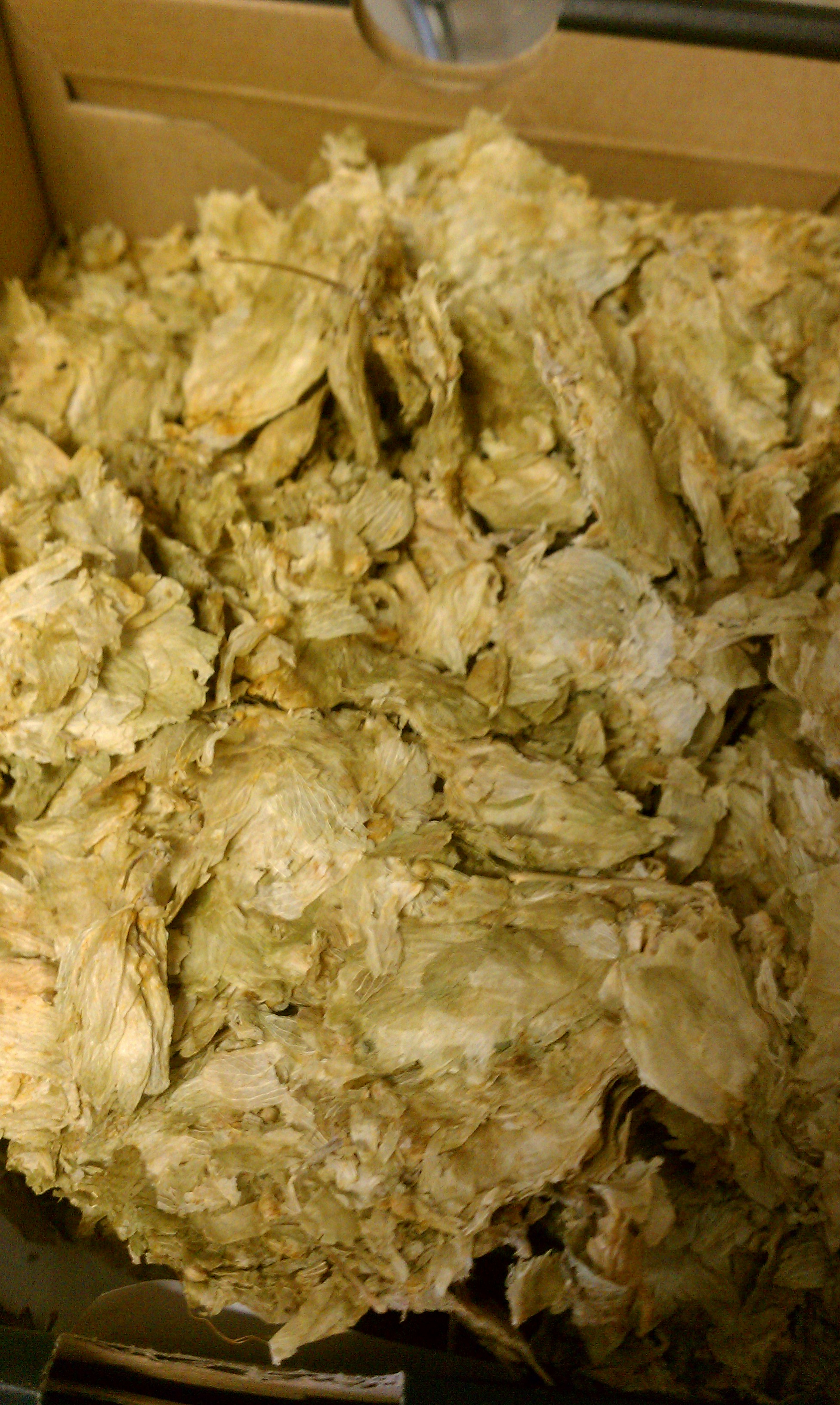
    Aged East Kent Goldings

    Last year I started my Gueuze project with 5 gallons still in a secondary. The other 5 gallons is now a Kriek that I have on tap. The 5 gallons I spoke of had Wyeast 3728 Lambic blend added first then Russian River dregs and Cantillon dregs along the way. This year I have a new brew system so I was able to brew 20 gallons of base Lambic and have more variety to play with in a year!

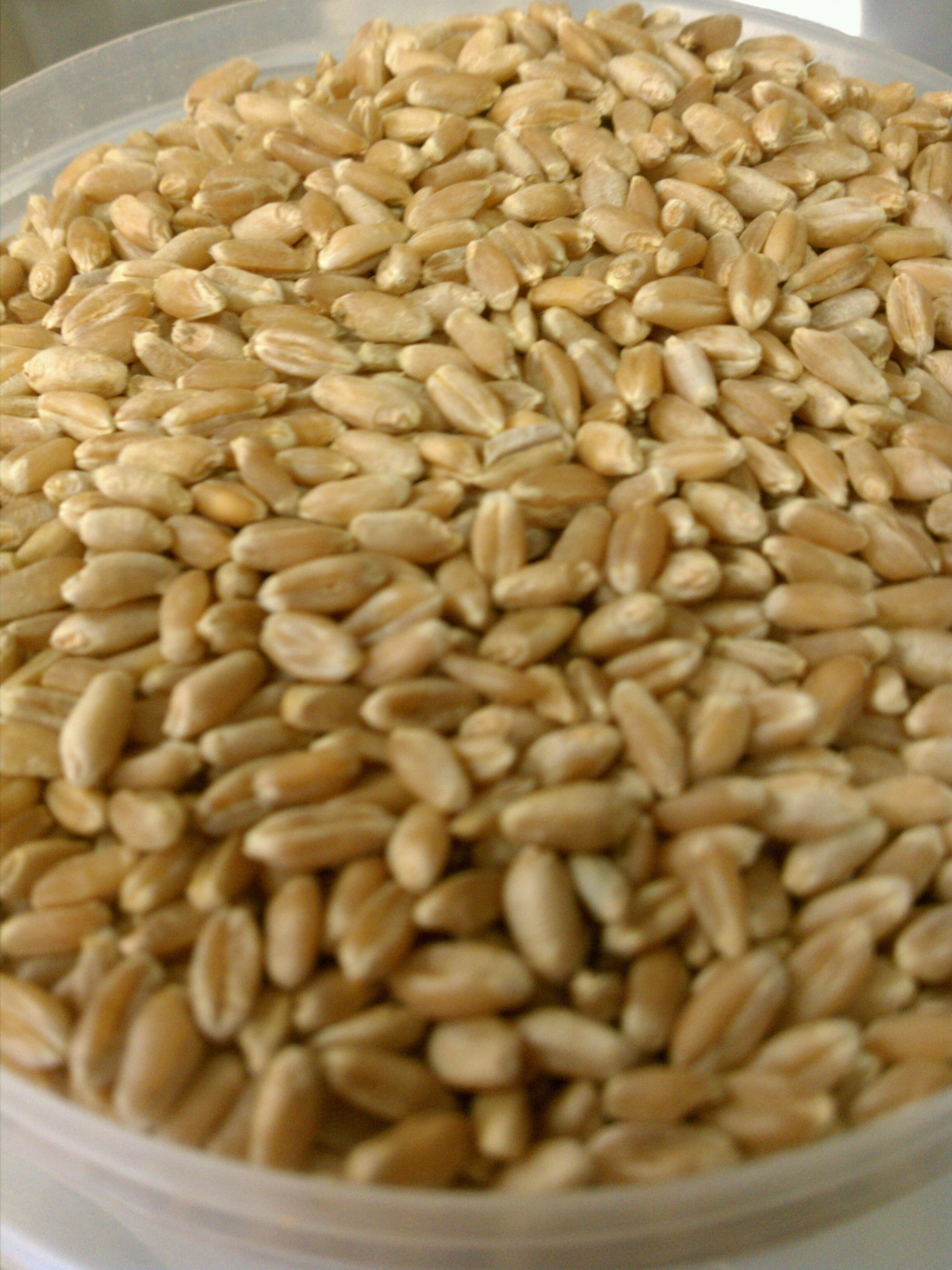
    Raw Un-milled Wheat

    The base for this years Lambic was a bit more rustic than last years version. I decided to go the old school route an use raw unmalted wheat. I used Red Spring raw wheat I bought at Whole Foods earlier this year. I originally planned on using it on a Saison, but I’m glad I saved it for this years Lambic. Ok so let’s get down to brass tacks here. The recipe:

    • OG- 1.052 (75 minute boil)
    • 68% Pale Malt
    • 30% Raw Wheat
    • 2% Cane Sugar
    • 4oz of Aged 2005 EKG’s @ 60 min
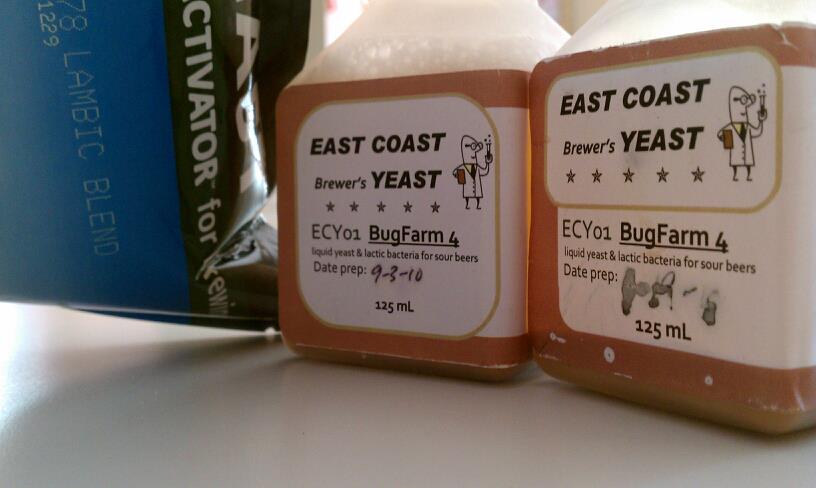
    • 11 gallons (Al’s Bugfarm 4), 5 gallons (Fresh Wyeast 3728 no starter and RR Sanctification dregs), 5.5 gallons (1 year old Wyeast3728 no starter, a fresh vial of WL Brett Lambicus, and a few grains from the grain bucket). Pitching temp was 65 degrees and held at that temp for 4 days. Garage temps now.
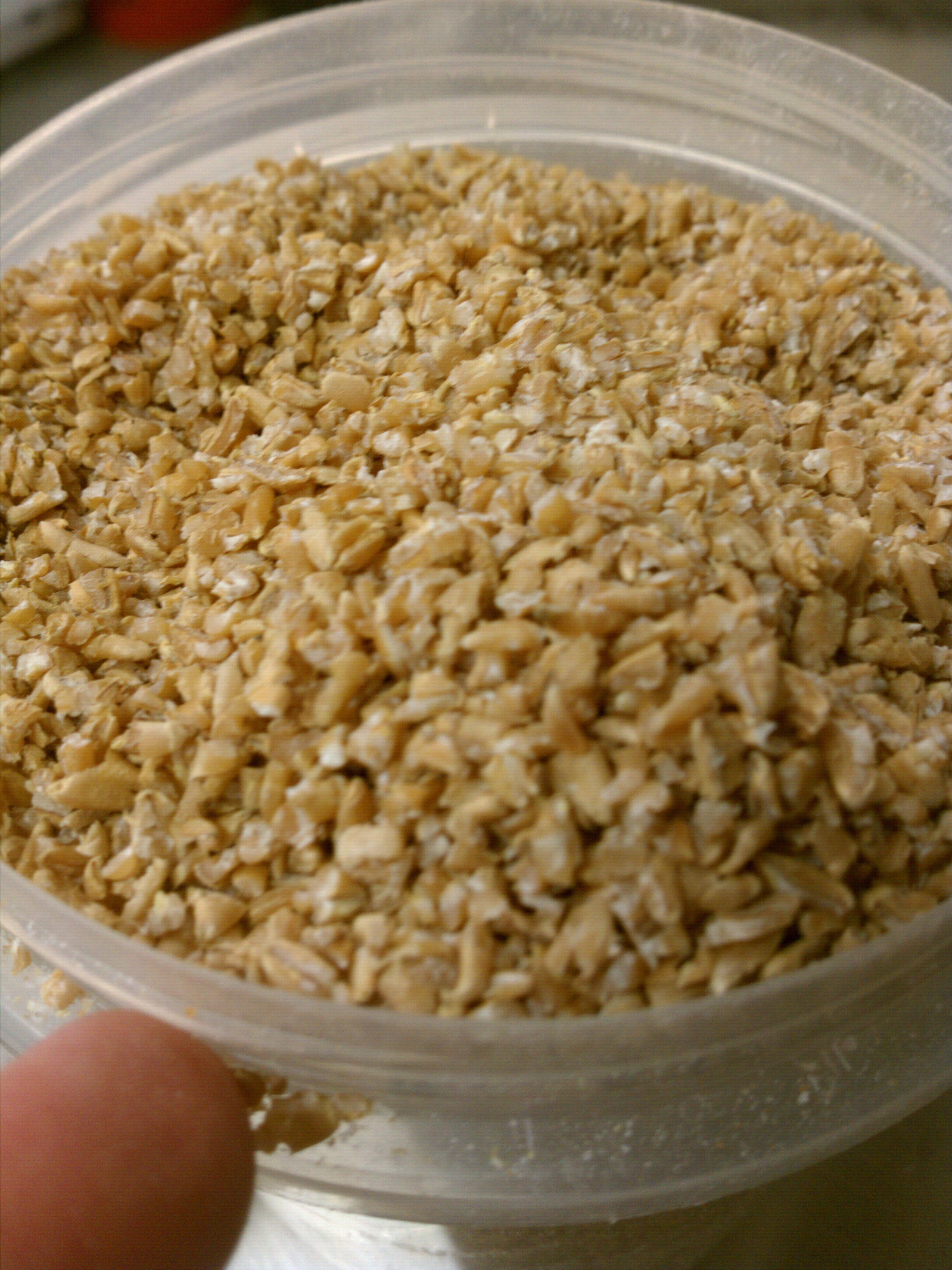
     The raw wheat was hell on earth to mill. The first time I ended up emptying the hopper out because the drill just couldn’t turn the rollers to crush the wheat. I ended up having to start the mill with nothing in the hopper and slowly add the grain until all of it was milled once. After that I could just fill the hopper with the wheat and it was like a normal mill. I ran it through my Barley Crusher 4 times.  I’m told that the old school Corona mills will rip through raw wheat with no problem….next time I’ll use one of those.
    Milled Raw Wheat
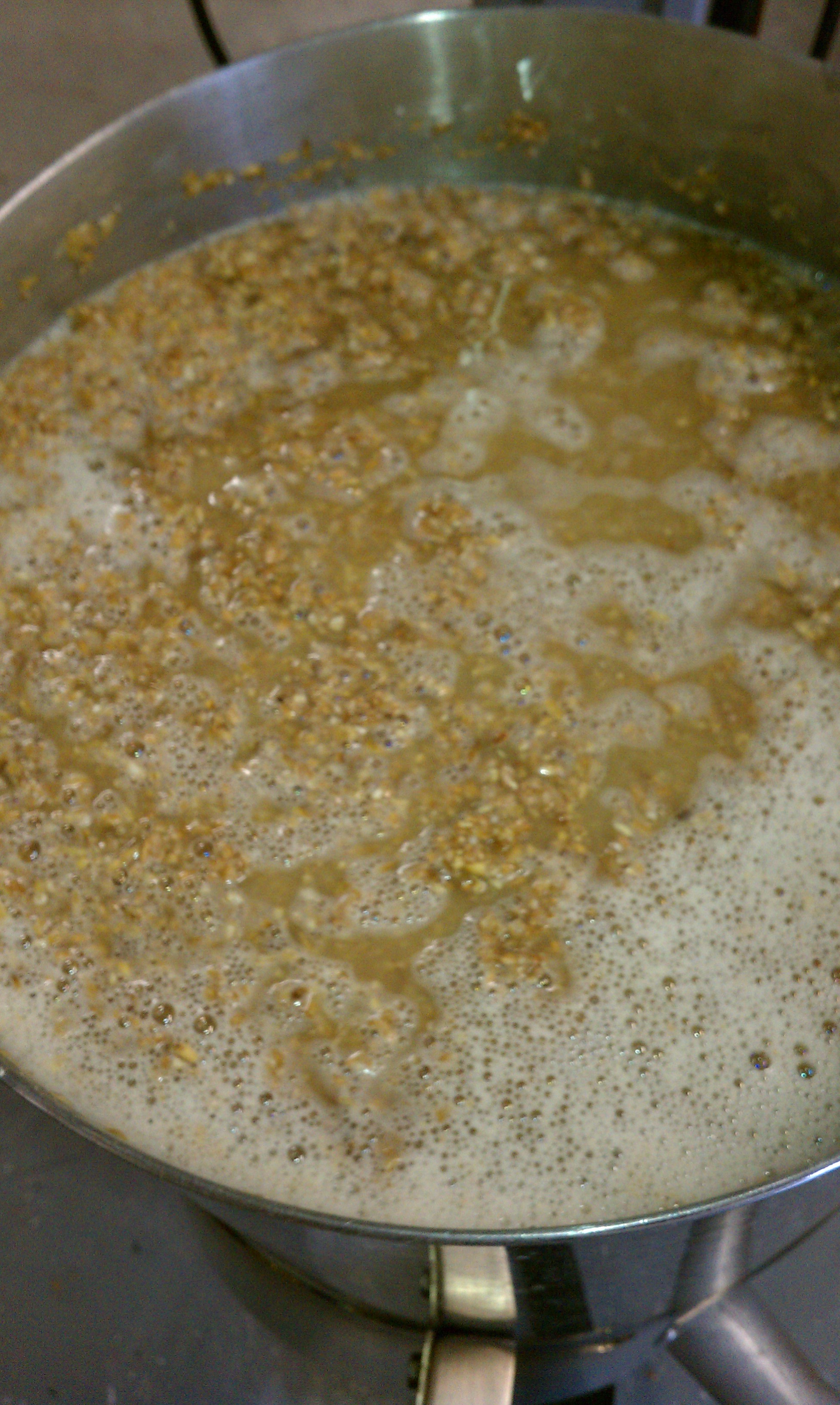
    Cereal Mash

    The next step was a cereal mash. In a different pot I added the milled raw wheat along with about 10% of the Pale Malt (milled of course) to a heated water ratio of 1.1qt per pound. The infusion temp in the cereal mash was 155F which I held that temp for 20 minutes. I slowly brought the mash up to a boil. It was held at a boil and stirred to prevent scorching for around 40 minutes.

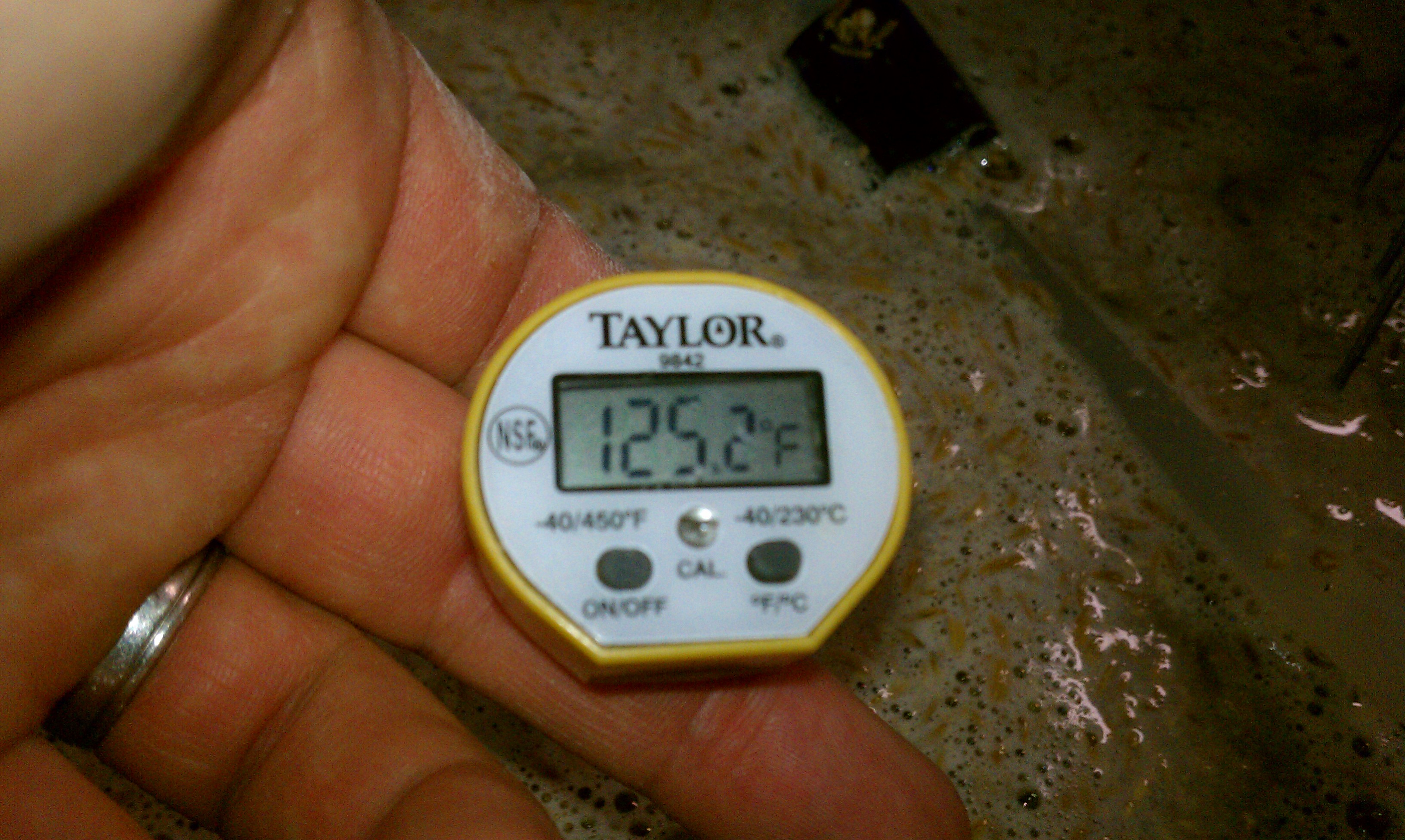
    With 15 minutes left in the cereal mash I started the mash of Pale Malt at a rest temp of 125F. When that short step conversion was finished I added the cereal mash (along with some rice hulls) which settled out on a mash temp of 155 which was held for 60 minutes.  I had no issues with running off or sparging. Everything went like any other mash. The run off was very cloudy due to the wheat and process which made me happy because I felt like it was going as it should.

    One thing to note. At the end of the boil there was so much protein the in the boil kettle. I have never seen as much sticky protein in the boil kettle even when I have used 55% malted wheat! Just remember that when using the raw wheat, it could clog a screen or a plate chiller pretty quick.

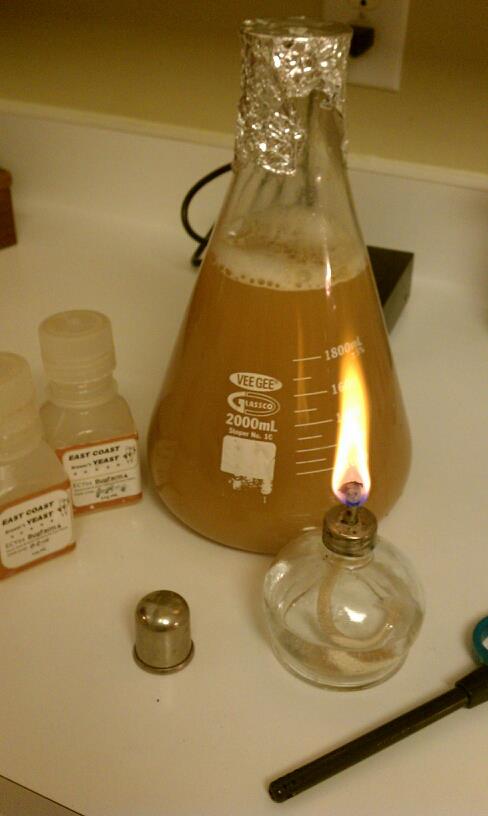
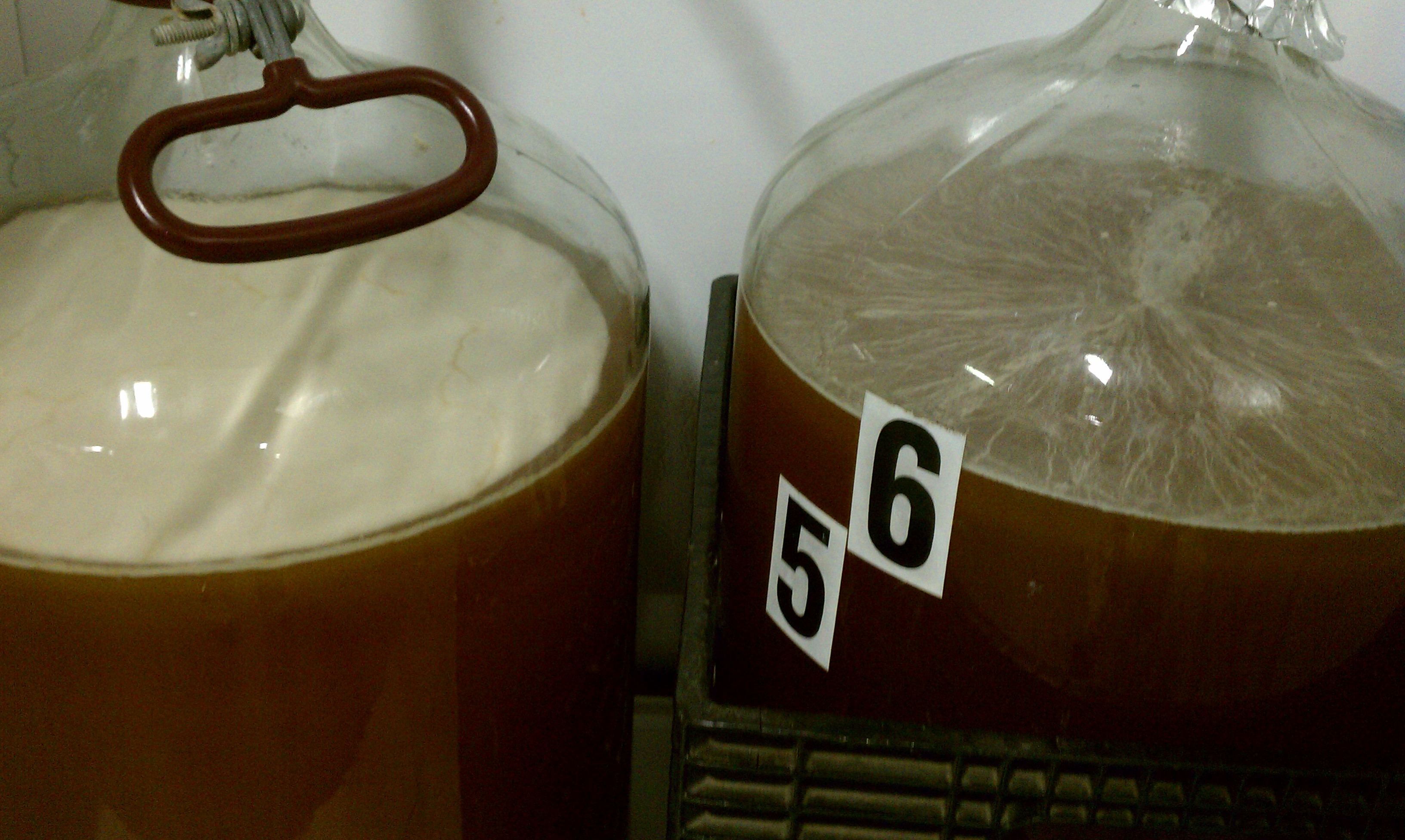
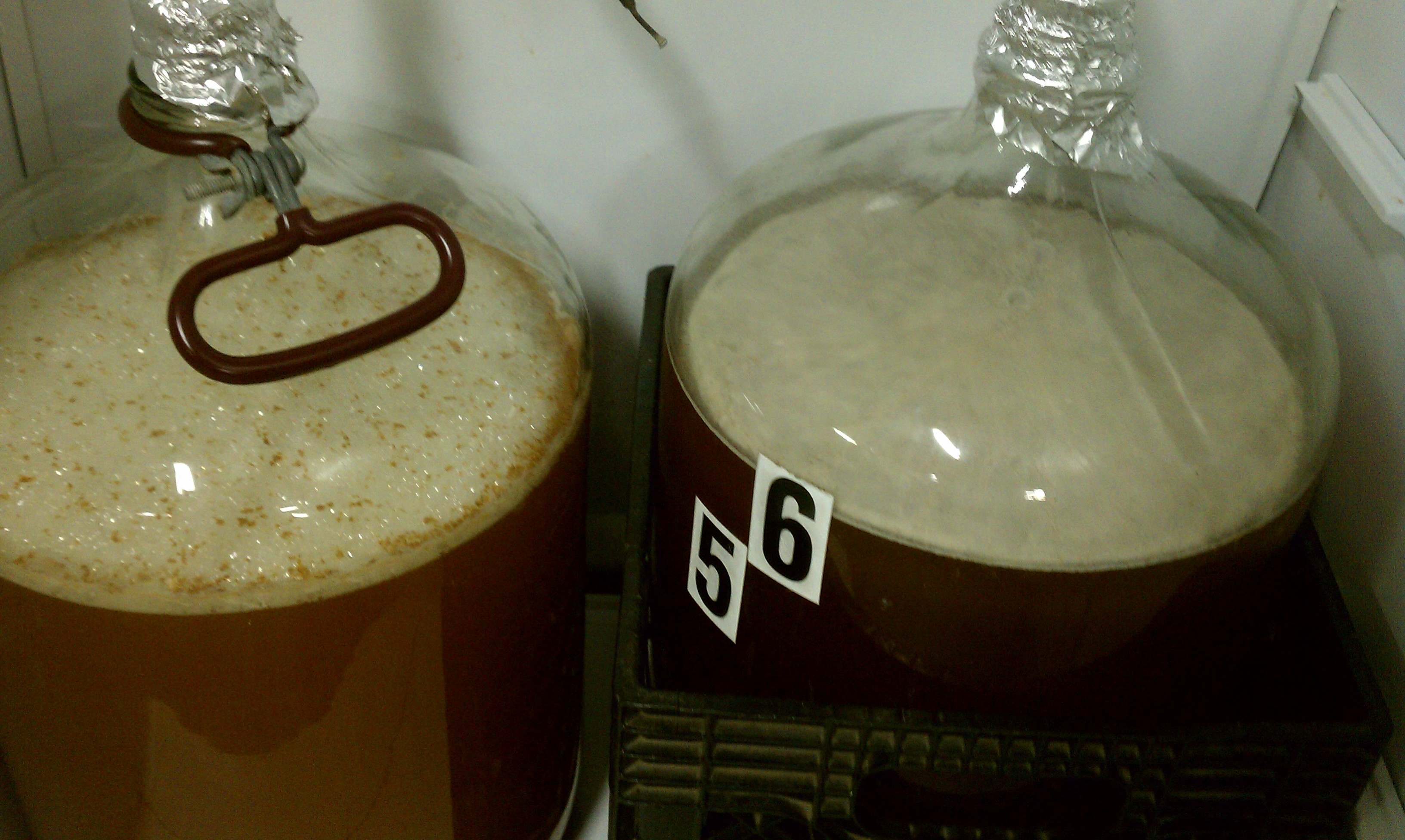
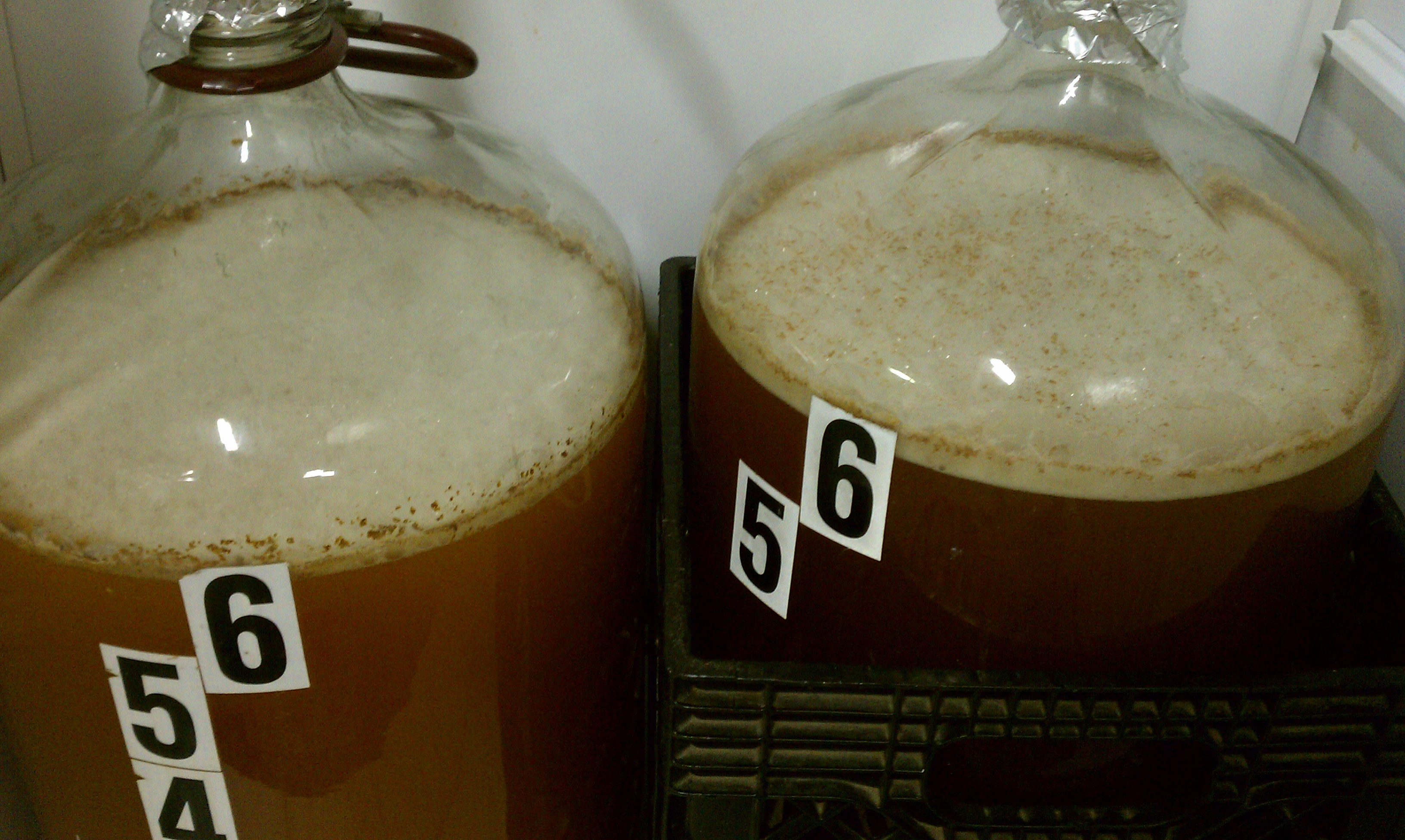
     Once the brew day was finished I pitched all the different yeasts into their respective carboys. The two I want to show you though are the East Cost Yeast Bug Farm 4 pitched carboys. Below you can see the two carboys which were basically equal volume of the same wort, same temp and got basically the same pitch of yeast from the flask you see on the right. Each got 1000ml of the 2000ml that had been going on the stirplate for around 8 days.

    This is why I love sour and wild brewing so much. Even though I did all of the above, the soon to be beers decided to begin their life differently. By day 3 the one of the right formed a pellicle while the one on the left went with a normal Krausen. The other picture shows this morning (Day 5) that the one on the right finally formed a krausen. It will be interesting to see just how different these turn out next year!

    Day 3
    Day 4
    Day 5
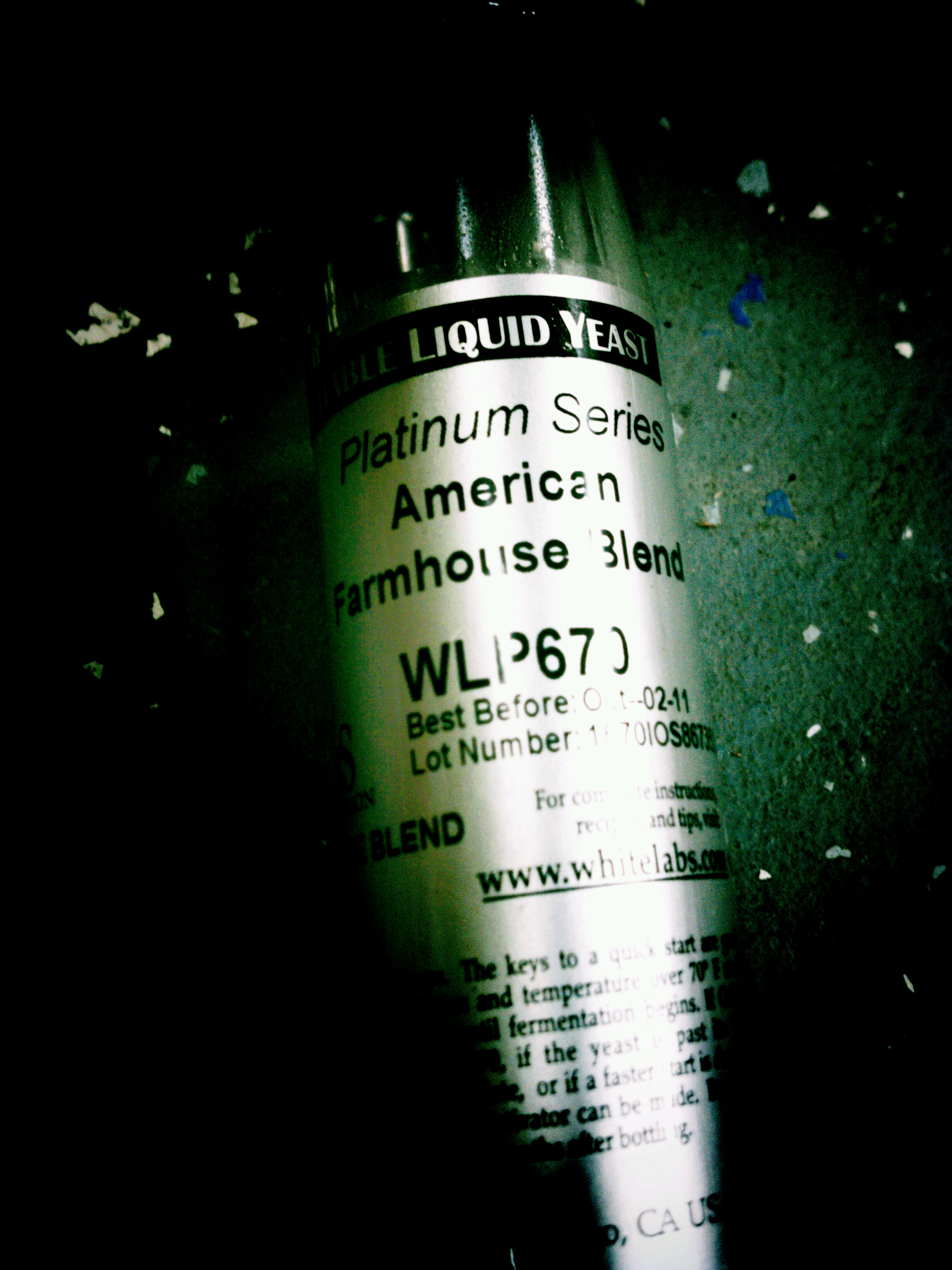
  • It’s another Breaking Bad Sunday so what better than a beer with the ultimate yeast that broke bad… Brettanomyces. I’m always up to try a new yeast in my beers. In fact back when I entered a lot of competitions (and was actually winning) [KIDDING] one of my not so secret secrets was using a limited edition strains. I liked these strains because I always felt it added a nice layer to the beer that some judges wouldn’t be used to tasting while still being very style accurate. It was a very simple change, but an effective one. Wyeast Labs and White Labs both have limited edition ‘series’ that see new yeasts every few months. In May White Labs released WLP670 American Farmhouse Ale. This Saison and Brettanomyces blend is rumored to be from Tomme Arthur’s brewery “The Lost Abbey”.

    WLP670 American Farmhouse Blend
    Inspired by local American brewers crafting semi-traditional Belgian-style ales. This blend creates a complex flavor profile with a moderate level of sourness. It consists of a traditional farmhouse yeast strain and Brettanomyces. Great yeast for farmhouse ales, Saisons, and other Belgian-inspired beers.
    Attenuation: 75-82%
    Flocculation: Medium
    Optimum Fermentation Temperature: 68-72°F
    (20-22°C)
    Alcohol Tolerance: 5-10%

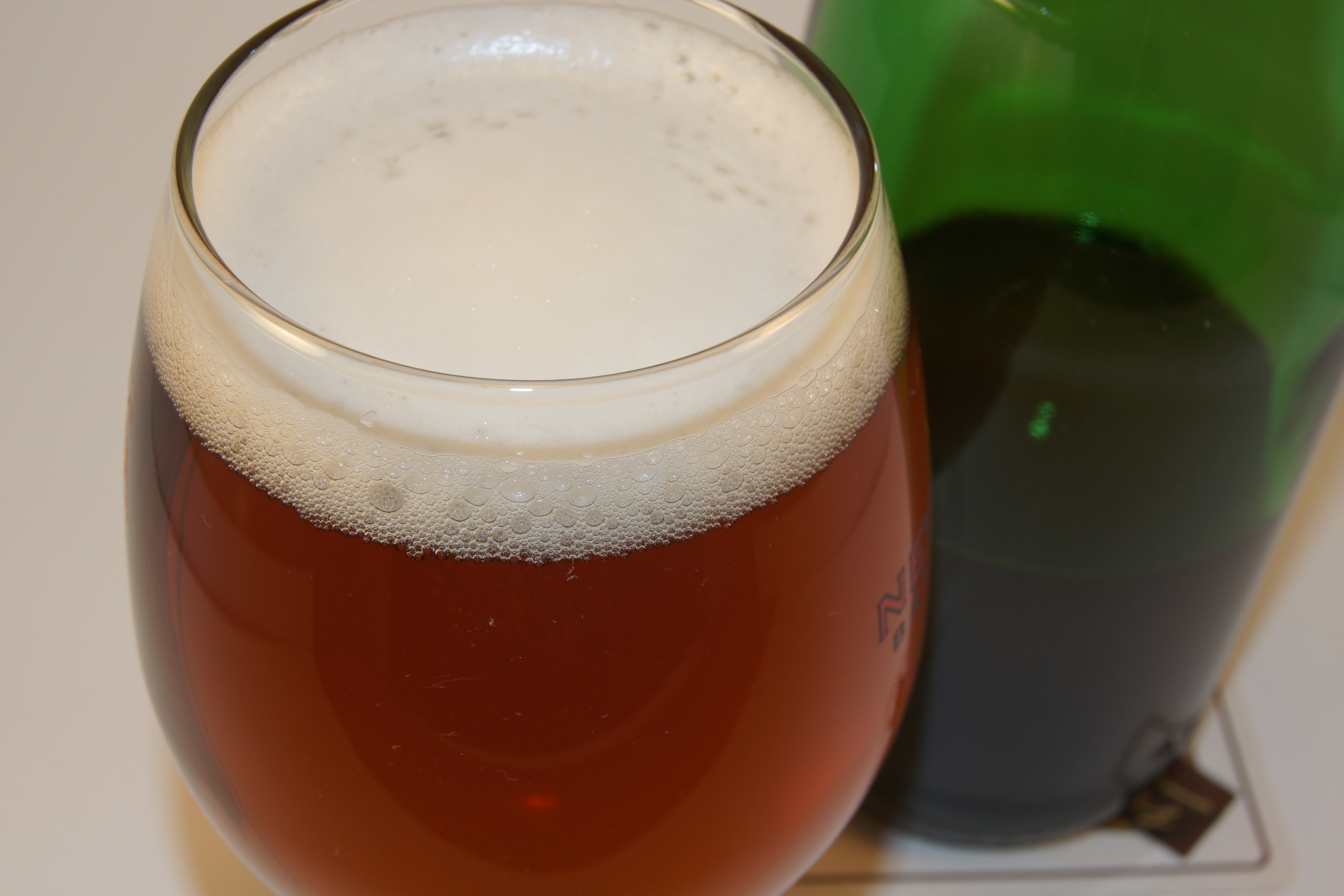
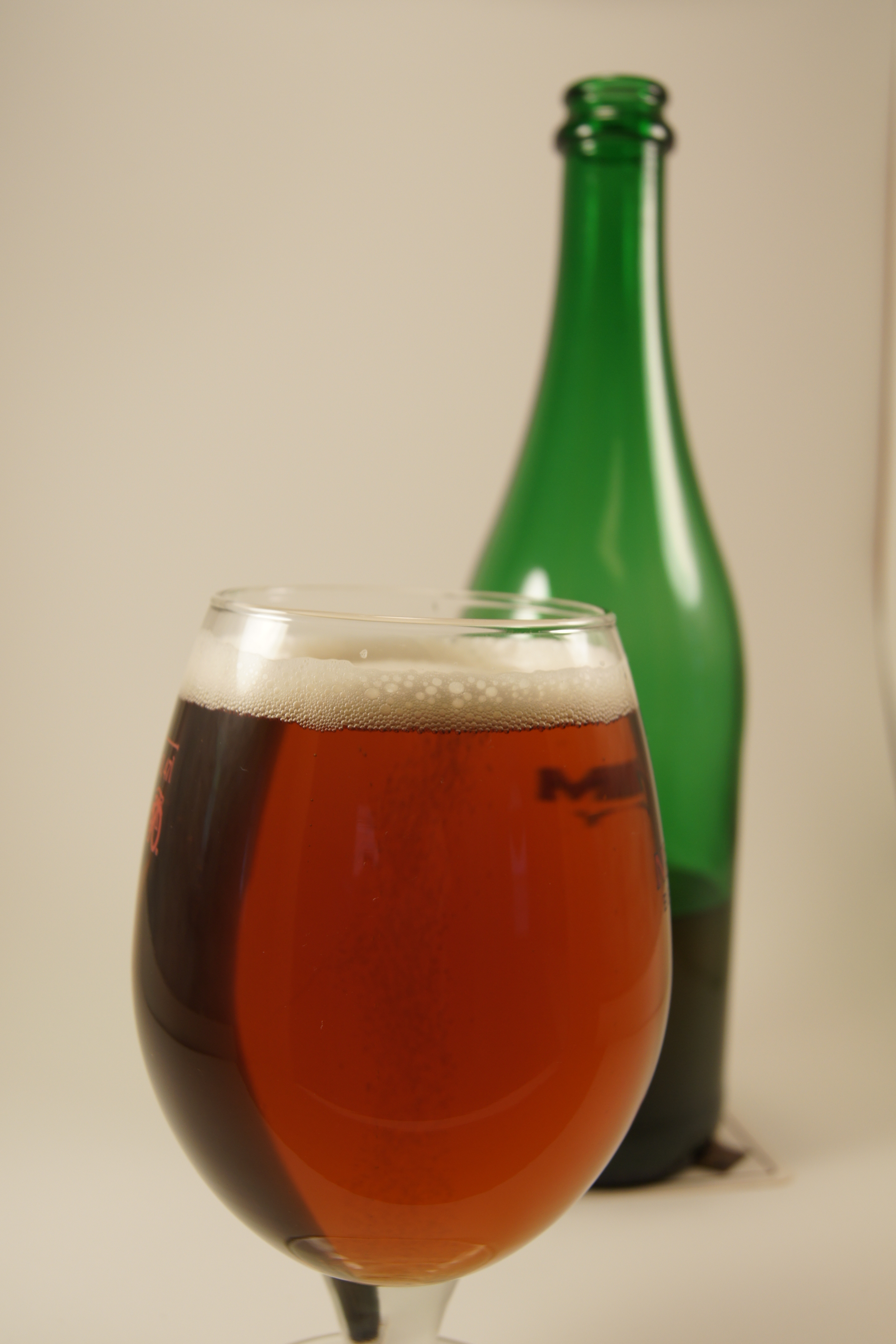
    I brewed this beer at the beginning of June and bottled it about 12 days ago. It spent a little over 90 days in primary. I followed my typical Saison fermentation profile: Pitch at 64 degrees, hold for 24 hours, self rise to 70 over 48 hours, hold for a day, let it rise to whatever temp it gets to over 2 days, on the 6th or 7th day apply the heat wraps and bring it up into the low to mid 80’s for 4-5 days, lastly room temp until cold crash/ packaging.

    I really liked the way the Brett turned out in this beer. If I was weighing the Saison yeast vs. the Brett I would say it’s 55% Brett to 45% Saison yeast. A damn nice balance for a Saison. Just enough of an expected flavor, slightly more of a specialty flavor to set it off right. The Brett flavors were more along the lines of leather, cherry, and green apples.

    If a Brett Saison has ever been on your brewing radar this is the blend to start with. It’s easy, it’s a great blend flavor in the finished product, it’s less expensive than buying a Saison strain then a Brett strain and most of all it simply tastes GREAT!

    I really hope this become a regular in White Labs Platinum rotation. If you liked it or you would like to try it next go around please email them. That’s the only way they know people want to buy their special releases. It really does work.

    Here is the recipe I used for 5 gallons packaged finished volume

    1.061 OG-1.004 FG

    90 Minute Boil

    1 Fresh Vial (7 days after production date) WLP670 (No Starter)

    149- Mash Temp for 90 minutes

    • 41.5% Pilsner Malt
      22.8% Munich Malt
      15.5% Wheat Malt
      10.0% Corn Sugar
      5.1% Golden Naked Oats
      3.2% Belgian Caravienne
      1.9% Rye Malt
      16 IBUS Amarillo (8.5%)- 60.0 min
      8 IBUS Amarillo (8.5%) – 20.0 min
      1 oz Amarillo (8.5%) – 0.0 min

  • I was just going to update the article on New Belgium’s “Clutch” release but I found out some more exciting news for those of you in the Nashville area. So here is the deal on Clutch…64 cases will arrive next week with it hitting stores on September 8-9.

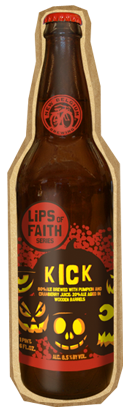
    Now for the other news. The other Lips of Faith beer called “Kick” will also be arriving the same day as Clutch and will see the same distribution. There will be 64 cases too.

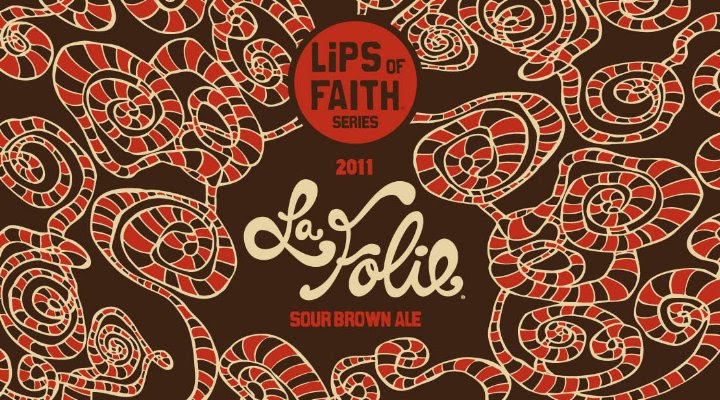
    And…..one more bit of news. It’s La Folie time in Nashville! Check the usual places to get your bottle. The Middle TN area got 50 cases!